


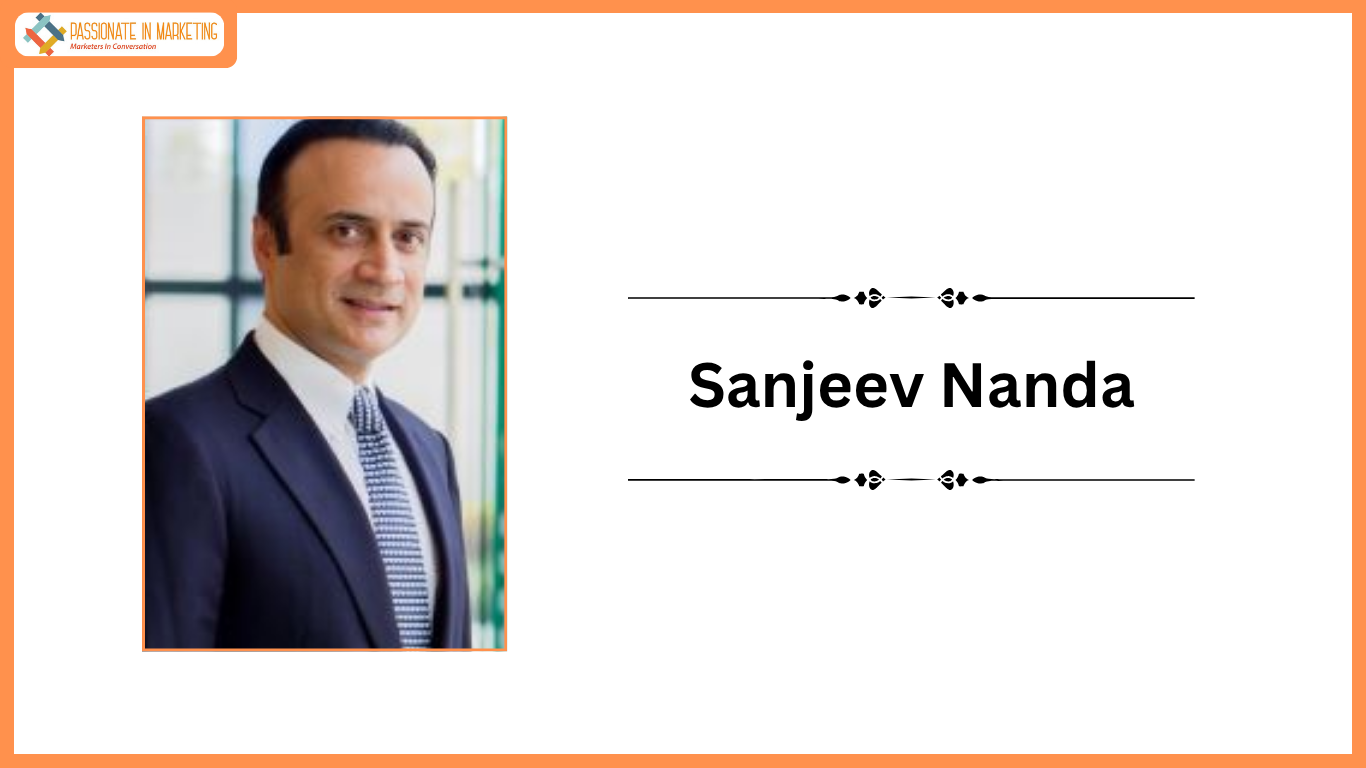
The festive months have brought an extraordinary upswing for India’s hospitality sector. As hotels operate near capacity across Diwali and New Year, Sanjeev Nanda observes how the industry is balancing booming demand, evolving traveller behaviour, and the growing appeal of short domestic escapes.
India’s Festive Travel Landscape
This year’s Diwali and New Year period has set new benchmarks for India’s hotel industry. Occupancy rates have reached record highs, with intercity transport and flights running at almost full load. Bus operators reported 95–100 percent capacity, and hotel bookings jumped 15-20 percent compared with last year.
What makes this surge remarkable is its character: Indians are not travelling abroad as much as they used to; instead, they are choosing short, high-quality getaways closer to home. Routes such as Delhi–Rishikesh, Mumbai–Goa, and Bengaluru–Coorg are leading this “micro-vacation” movement.
Hospitality veteran Sanjeev Nanda calls the season “both an opportunity and a stress test for hotels,” noting that while demand is lucrative, it challenges operations to deliver excellence under pressure.
Evolving Travel Habits
Today’s travellers are redefining the festive holiday. According to industry data, most road trips now last fewer than two days, and destinations within a 300-kilometre radius of metros are in highest demand.
“People no longer travel just to relax; they travel to reset,” says Nanda. “They are seeking quick breaks that combine comfort, culture, and connection.”
From Himalayan wellness retreats to coastal celebrations, these short escapes blend rejuvenation with convenience, giving rise to a new category of premium but accessible travel.
The Operational Balancing Act
Behind the scenes, hotels are working hard to keep service standards consistent despite record occupancy. Staffing agility, process automation, and efficient resource management have become critical.
“Luxury in high-demand periods isn’t about extravagance, it’s about consistency,” emphasizes Nanda. “The ability to deliver a seamless experience even when fully booked defines true excellence.”
Dynamic pricing systems, predictive analytics, and rapid-response guest services now underpin hotel operations during these intense periods.
Experiential Stays Take Centre Stage
The modern festive guest values immersion over indulgence. Boutique resorts, eco-lodges, and heritage properties are seeing a clear uptick as travellers look for authenticity. Hotels are curating cultural programs, regional dining menus, and local art showcases to enhance the festive spirit.
This experiential approach, according to Sanjeev Nanda, “turns hospitality into storytelling, each stay becomes part of a larger journey.”
Technology and Local Impact
Digital tools are powering this transformation. AI-driven pricing, flexible inventory systems, and mobile-based guest personalization are helping brands adapt in real time. OTAs have reported 25–30 percent higher booking volumes during Diwali week alone.
The boom also benefits smaller communities: local artisans, caterers, and performers find new opportunities through weddings, retreats, and regional celebrations. Tier II and III destinations are witnessing rising footfall, spreading the economic benefits of travel across regions.
The Road Ahead
As India enters 2026, festive travel is shaping up to be a consistent growth driver for tourism and hospitality. “The challenge now,” concludes Sanjeev Nanda, “is to turn this seasonal momentum into sustained loyalty. Hotels that listen, adapt, and innovate will define the next era of Indian hospitality.”

