


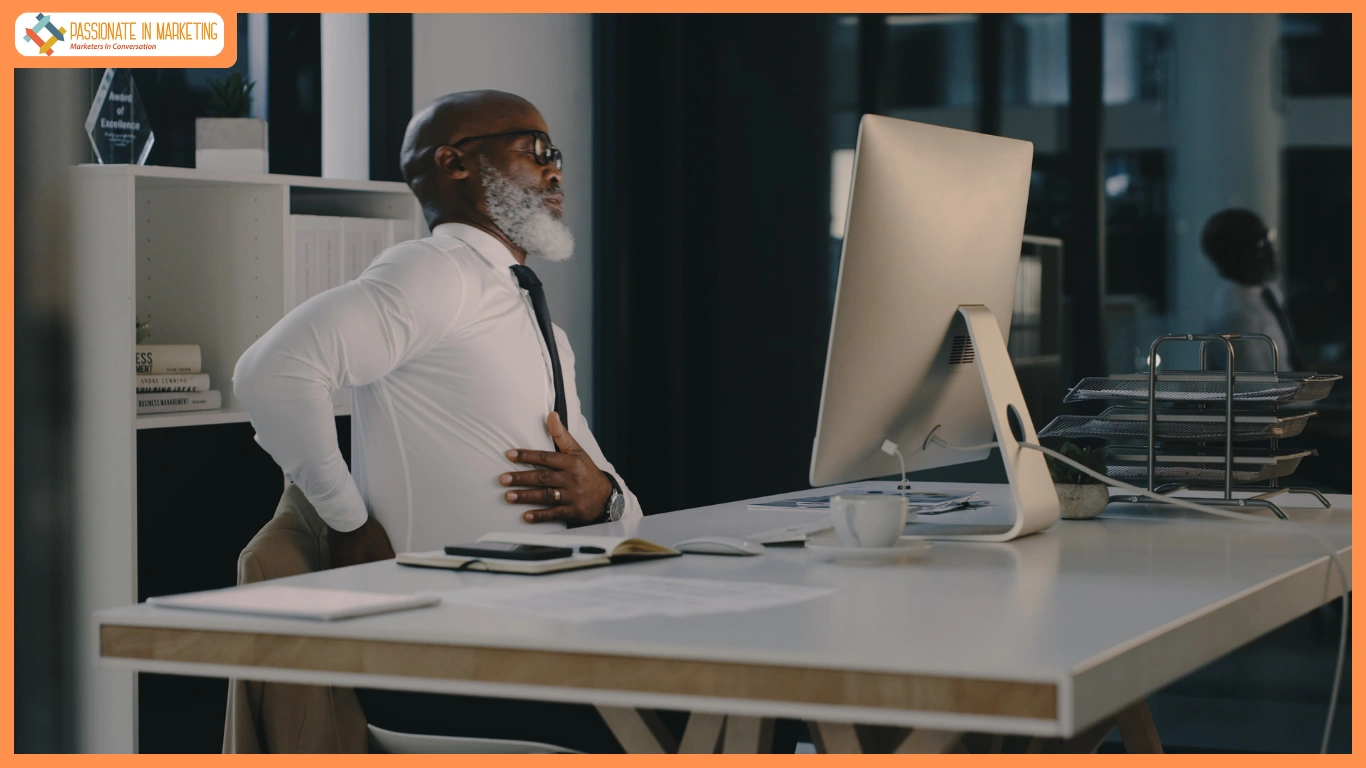
Modern work environments have made sitting an unavoidable part of daily life. While sitting itself is not harmful, sitting for long, uninterrupted periods can place significant strain on the spine, muscles, and joints. For many desk workers, discomfort develops gradually and is often dismissed as a normal part of work life.
Why Prolonged Sitting Affects the Spine
The human body is designed for movement. When we sit for extended periods, especially in poor posture, certain muscles become overworked while others weaken. Sitting increases pressure on the lower spine more than standing, particularly when slouching or leaning forward.
Over time, prolonged sitting can lead to muscle stiffness, reduced flexibility, and increased strain on spinal discs. Circulation slows, joints receive less movement, and supporting muscles fatigue more quickly. These factors together contribute to discomfort and, in some cases, chronic pain.
How Long Is “Too Long” to Sit?
There is no single number that applies to everyone, but research and clinical experience suggest that sitting continuously for more than 30 to 60 minutes without movement can negatively impact spinal health. The issue is not just the total hours spent sitting, but how long the body remains in one position.
Specialists at an orthopaedic clinic often emphasise that frequent movement breaks are more important than perfect posture alone. Even individuals with good sitting posture can experience discomfort if they remain seated for too long without change.
Common Symptoms Linked to Excessive Sitting
Desk workers who sit for extended periods may notice stiffness in the neck and shoulders, lower back discomfort, tight hips, or general fatigue. Some experience headaches or tingling sensations in the arms or legs due to muscle tension and reduced circulation.
In orthopaedic Singapore, healthcare providers frequently see patients whose symptoms improve significantly once sitting habits and movement patterns are addressed.
The Importance of Movement Breaks
Movement helps restore circulation, reduce muscle tension, and relieve pressure on the spine. Standing up, stretching, or walking for even one to two minutes can make a meaningful difference.
A practical approach is to stand or move every 30 minutes. Simple actions such as walking to get water, stretching the arms and back, or standing during phone calls help counteract the effects of prolonged sitting.
Many orthopedic clinic professionals recommend setting reminders or using standing desks to encourage regular movement throughout the workday.
Setting Up a Spine-Friendly Workstation
While movement is essential, a well-designed workstation also plays a key role in reducing strain. Chairs should support the natural curve of the lower back, and feet should rest flat on the floor. Screens should be positioned at eye level to avoid leaning forward or downward.
Keyboards and mice should allow elbows to remain close to the body, with forearms parallel to the floor. Small ergonomic adjustments can significantly reduce muscle fatigue during long work hours.
In orthopaedic Singapore, ergonomic assessments are commonly recommended for office workers experiencing recurring discomfort.
Sitting Posture That Supports the Spine
When sitting, the goal is to maintain a neutral spine position. This means sitting upright without excessive arching or slouching. Shoulders should remain relaxed, and the head should be aligned over the shoulders rather than pushed forward.
It is important to note that no single sitting posture is ideal for long periods. Changing positions slightly throughout the day helps prevent stiffness and overuse of specific muscles.
Incorporating Active Sitting and Standing
Active sitting involves small movements that keep muscles engaged, such as gently shifting weight or adjusting posture. Alternating between sitting and standing throughout the day further reduces spinal strain.
Standing desks can be helpful, but standing for too long without movement can also cause discomfort. The key is balance—alternating positions and maintaining regular movement.
Professionals at an orthopedic clinic often advise against replacing prolonged sitting with prolonged standing. Instead, a mix of sitting, standing, and moving is ideal.
Simple Desk Exercises for Spine Health
Incorporating brief exercises into the workday can help counteract stiffness. Gentle neck stretches, shoulder rolls, seated spinal twists, and standing hip stretches can be performed without special equipment.
These exercises improve flexibility, reduce muscle tension, and support spinal health. In orthopaedic Singapore, desk-based exercise programs are increasingly promoted as part of workplace wellness initiatives.
Lifestyle Habits Beyond the Desk
The effects of prolonged sitting are influenced by habits outside of work hours. Regular physical activity strengthens muscles that support the spine and improves overall mobility. Walking, swimming, and low-impact strength training are particularly beneficial.
Adequate hydration, balanced nutrition, and quality sleep also play a role in maintaining spinal health. Poor recovery can worsen the effects of long sitting hours.
When to Seek Professional Advice
Persistent pain, stiffness, or symptoms such as numbness and weakness should not be ignored. These may indicate underlying issues that require assessment.
An orthopedic clinic can evaluate posture, movement patterns, and spinal health to identify contributing factors. Early intervention often prevents minor discomfort from becoming a long-term issue.
Creating Sustainable Sitting Habits
Reducing the negative effects of sitting does not require drastic changes. Small, consistent habits—regular movement breaks, improved posture, and ergonomic adjustments—add up over time.
In busy environments like orthopaedic Singapore, practical strategies that fit into daily routines are the most effective. By becoming more aware of sitting habits and prioritising movement, desk workers can protect their spine and improve long-term comfort.
**’The opinions expressed in the article are solely the author’s and don’t reflect the opinions or beliefs of the portal’**

