


In whisky, true rarity isn’t about bottle counts or anniversary labels. It’s about ingredients, climate, cask innovation, and cultural context — factors so unique they can’t be copied, scaled, or repeated anywhere else in the world.
These single malts are rare not because they are scarce, but because their very existence is improbable.
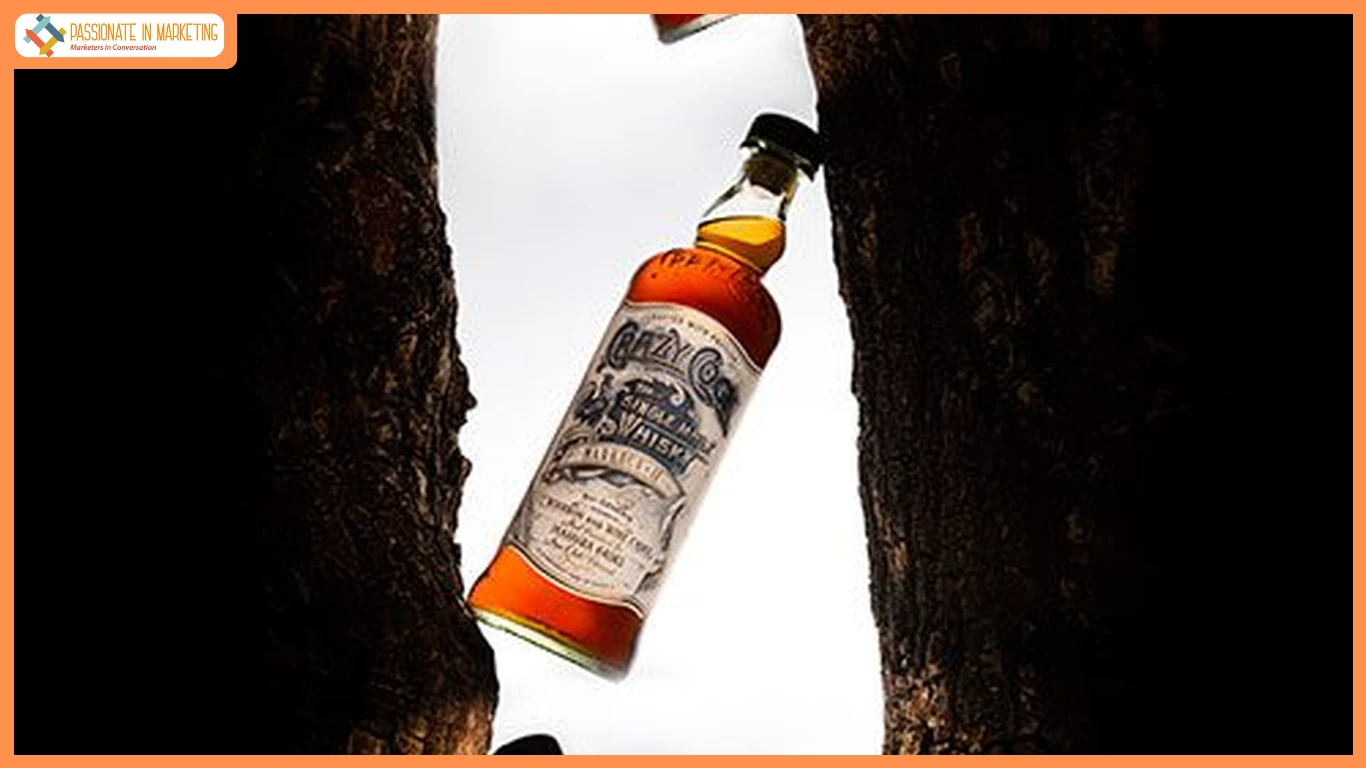
1. Crazy Cock Madhuca, the World’s Only Mahua-Cask-Finished Single Malt
This is not a limited edition. This is a category of one.
Crazy Cock Madhuca is the only single malt in the world finished in mahua (madhuca)-seasoned oak casks, using a spirit derived from a flower deeply embedded in Indian culture, mythology, and rural economy. Mahua is fermented, distilled, and consumed across central and eastern India, yet until now, it had never intersected with single malt whisky maturation anywhere globally.
Why is it rare in the world:
- Mahua is geographically and culturally exclusive to India.
- Its aromatic profile makes it extremely difficult to integrate into whisky cask finishing.
- No other whisky-producing nation has the raw material, legacy, or regulatory comfort to attempt this.
- This is a rarity born from civilisation, not cask count.
- Godawan 173 — The World’s Only Liqueur-Cask-Finished Indian Single Malt
Godawan Single Malt
While many whiskies talk about sustainability, Godawan embeds it into the liquid itself. Godawan 173 is the world’s first Indian single malt finished in heritage artisanal liqueur casks, a maturation style virtually unseen in whisky, let alone in hot-climate aging.
The whisky also draws its identity from the Great Indian Bustard (Godawan), one of the world’s most endangered birds, making it one of the rare few single malts globally where liquid, land, and legacy are inseparable.
Why is it rare in the world:
- Liqueur cask finishing is almost non-existent in single malt whisky
- Indian desert climate accelerates ageing in ways few regions can replicate
- Combines biodiversity, terroir, and whisky-making — not just flavour innovation
- This is a rarity driven by ecosystem and ethics, not marketing.
- Rampur Asava — One of the World’s Few Single Malts Finished in Indian Wine Casks
Rampur Indian Single Malt
Wine-finished whiskies aren’t unusual.
Wine-finished whiskies using Indian wine barrels absolutely are.
Rampur Asava is among the very few single types of malt globally to be finished in Indian Cabernet Sauvignon wine casks, marrying Indian barley, Indian climate, and Indian viticulture in one liquid.
Why is it rare in the world:
- Indian wine barrels are rarely compatible with whisky maturation
- Heat-driven ageing creates flavour extraction that most regions can’t achieve
- Represents a convergence of two young but fast-evolving Indian craft industries
- This is a terroir-led rarity — where geography does half the work.
- Paul John Peated & Special Cask Styles — Tropical Peating, Rare by Nature
Paul John Single Malt
Peated whisky is traditionally associated with cold maritime climates. Paul John breaks that rule entirely. Its peated single malts are produced and matured in tropical coastal Goa, making them some of the very few tropical peated single malts in the world.
Why is it rare in the world:
- Peat behaves unpredictably in hot, humid climates
- Balancing smoke without overwhelming the spirit is technically difficult
- Very few distilleries globally attempt peating outside temperate zones
- This is a climatic rarity — whisky shaped by heat, salt air, and speed.

