


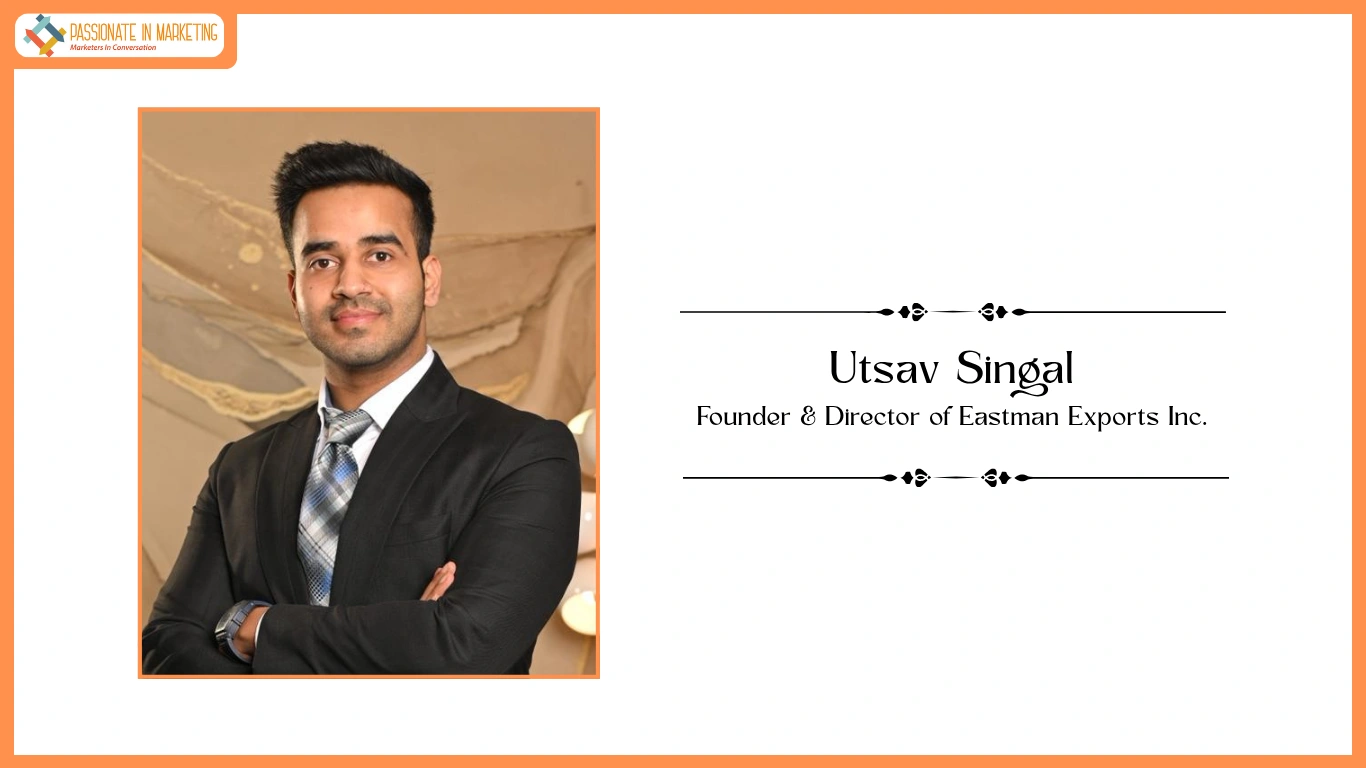
- You are building across manufacturing, exports, and real estate. What is the common thread that connects all your ventures?
The common thread across all our ventures is long-term value creation. Whether it is manufacturing, exports, or real estate, the focus has always been on building trust, maintaining quality, and creating systems that can scale sustainably over time. Industries may differ in terms of operations and market dynamics, but the fundamentals of discipline, execution, and customer confidence remain universal. We have always believed that businesses built on credibility and consistency naturally create stronger relationships and long-term growth. That philosophy has guided every decision we have made across sectors, and it continues to shape how we approach expansion today.
- Ludhiana has a strong industrial base but is often seen as traditional. How have you reimagined that ecosystem for modern growth?
Ludhiana has always had incredible entrepreneurial energy and manufacturing strength, but today the real opportunity lies in modernization and positioning. We have focused on integrating global standards, professional management practices, technology adoption, and stronger branding into businesses that were traditionally run in a more conventional manner. The idea is not to replace the old ecosystem, but to evolve it into something globally competitive while preserving its entrepreneurial spirit and work ethic. Modern growth today is driven not only by production capabilities, but also by perception, systems, innovation, and the ability to adapt quickly to changing markets.
- When did you realize your business had moved from steady growth to something far more scalable, and what triggered that shift?
The shift happened when we moved from being opportunity-driven to system-driven. Earlier, growth was largely dependent on individual decisions and direct involvement, but over time we invested heavily in processes, operational structures, and capable leadership teams. Once the business became structured enough to scale independently, growth accelerated naturally. Exposure to international markets and understanding the scale at which global businesses operate also changed our mindset significantly. It pushed us to think beyond incremental progress and focus instead on sustainable, scalable expansion with a long-term vision.
- What has competing in global export markets taught you that the domestic market never could?
Global markets teach you consistency and accountability at an entirely different level. International clients place immense importance on timelines, quality control, transparency, and professionalism. There is very little room for inconsistency because competition is global and expectations are extremely high. Competing internationally forces businesses to continuously improve their systems, efficiency, communication standards, and overall professionalism. It also teaches patience and long-term relationship building, because trust in international business is earned gradually through reliability and consistent performance over time.
- As your businesses expand, how do you ensure consistency in execution across very different industries?
Consistency comes from building strong teams and systems rather than relying on individuals alone. We place significant emphasis on process orientation, accountability, regular reviews, and maintaining the same core business values across every sector. While the industries may differ, the operational discipline remains common. We also believe in empowering capable teams with clarity of vision and responsibility. Once people understand the larger objective and the standards expected from them, consistency becomes part of the organizational culture rather than just a management exercise.
- The Indian real estate market has changed significantly after RERA. How has that shaped your approach to building trust with buyers?
RERA has brought much-needed transparency, structure, and professionalism to the real estate sector. Buyers today are far more informed, aware, and quality-conscious than before. For us, it reinforced the importance of timely delivery, transparent communication, financial discipline, and strong compliance practices. In today’s market, trust is no longer built only through marketing but through execution and credibility. Buyers want assurance, accountability, and long-term reliability, and we believe those factors will continue to define successful real estate brands in the years ahead.
- What real demand trends are you seeing in Tier 2 cities that make them so attractive for real estate development today?
Tier 2 cities are witnessing a major shift in aspirations, purchasing power, and infrastructure development. People today want organized living, premium amenities, and a better lifestyle experience without necessarily relocating to metro cities. Improved connectivity, growing industries, and stronger local economies are driving this transformation. There is increasing demand for quality residential spaces, mixed-use developments, and modern commercial infrastructure. These cities are becoming important growth centres, and the potential they hold over the next decade is extremely significant for developers who understand evolving consumer expectations.
- In capital-intensive sectors like real estate, how do you decide when to be aggressive and when to stay cautious?
Aggression in business should come from conviction, not emotion. We become aggressive when the fundamentals are strong — whether that is location quality, demand visibility, market timing, or long-term financial viability. At the same time, disciplined cash-flow management and controlled leverage remain extremely important because sustainability matters far more than short-term speed. In capital-intensive sectors, every expansion decision must balance ambition with financial prudence. The goal is to grow confidently while ensuring that stability and long-term credibility are never compromised.
- What has been one decision during your growth journey that truly tested your judgment?
One of the biggest tests during any growth journey is deciding when to scale aggressively and when to protect stability. Expanding into new sectors and taking on larger projects requires balancing ambition with patience and calculated risk. Those moments test not only financial judgment but also leadership confidence and clarity of vision. There are times when opportunities appear extremely attractive, but long-term sustainability has to remain the priority. Learning how to make decisions without getting carried away by short-term momentum has been one of the most valuable lessons throughout the journey.
- Where do you personally spend most of your time today within the business, and how has that evolved as you scale?
Earlier, my involvement was heavily operational and focused on day-to-day execution. As the businesses have grown and scaled, my role has evolved more toward strategy, partnerships, expansion opportunities, and long-term planning. A large part of leadership today is about empowering capable teams while ensuring there is complete clarity in vision, culture, and execution standards. I now spend more time identifying future opportunities, building relationships, and strengthening the overall direction of the businesses rather than being involved in every operational detail.
- What is one business decision you made that significantly impacted your growth trajectory, and what specific factors drove that call?
One of the most important decisions we made was to focus on organized and scalable growth instead of remaining comfortable with traditional expansion models. Investing in systems, branding, market positioning, and long-term assets created a much stronger foundation for sustainable growth. The decision was driven by the understanding that scale today requires professionalism, structure, and institutional thinking. Businesses that want to grow meaningfully over the long term need to evolve beyond conventional approaches and build with a future-oriented mindset.
- Looking ahead, what opportunity in India’s real estate or industrial landscape excites you the most right now?
What excites me most is the rise of Tier 2 India. Industrial growth, infrastructure expansion, and rising consumer aspirations are creating significant opportunities across both manufacturing and real estate. India is entering a phase where regional growth centres will play a defining role in the country’s economic story. There is tremendous potential in cities that combine entrepreneurial culture with improving infrastructure and connectivity. Businesses that are able to identify these long-term shifts early and build with patience, discipline, and vision will benefit the most in the coming years.

