


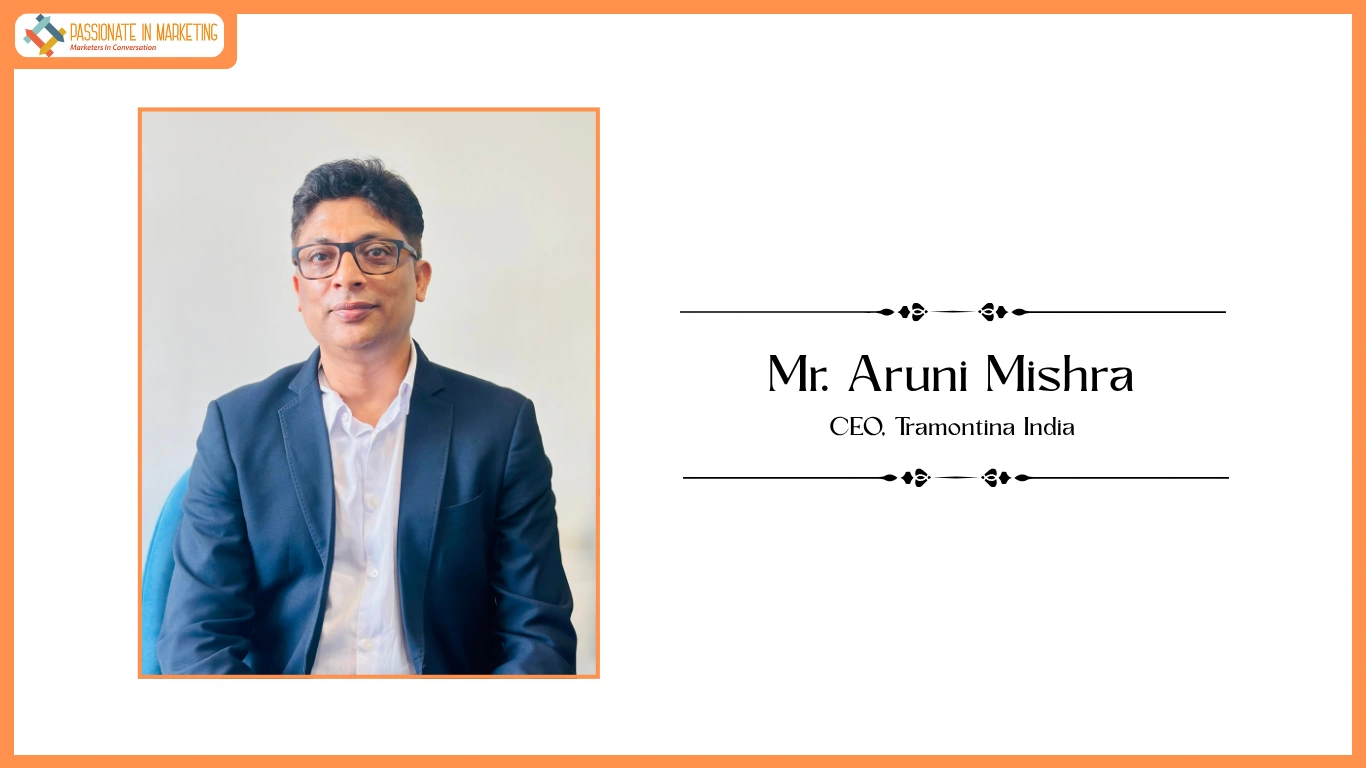
1.Indian consumers today are more informed than ever before. How have you seen consumer expectations evolve in the home and kitchen category over the last few years?
Indian consumers today are far more informed and research-driven than they were a few years ago. Earlier, purchase decisions in the home and kitchen category were often driven primarily by price and familiarity. Today, consumers actively compare products, evaluate materials, read reviews, and seek solutions that offer long-term value.
We are also seeing consumers place greater emphasis on quality, durability, design, and functionality. The kitchen has evolved from being a purely utilitarian space to becoming an extension of one’s lifestyle and home aesthetics. As a result, consumers are looking for products that not only perform exceptionally well but also enhance their overall living experience.
2.What are some of the biggest trends currently influencing purchase decisions in cookware and kitchenware?
Health and safety is one of the biggest trends shaping consumer preferences today. Consumers are therefore paying closer attention to the materials used in cookware, how products perform over time, and whether they offer genuine long-term value.
We are also seeing a growing preference for products that combine functionality with aesthetics. With increased exposure to global products and innovations through digital commerce, consumers today expect higher standards of quality, performance, and design than ever before.
3.Consumers today are paying closer attention to what they cook in, not just what they eat. How is the growing focus on health and safety shaping the cookware category?
This is one of the most significant shifts we are seeing in the cookware category. Consumers are becoming more aware of the relationship between their cookware and overall wellbeing. Questions around food safety, coatings, material quality, and durability are becoming increasingly common.
As a result, there is growing demand for products made from high-quality stainless steel, cast iron, and advanced non-stick technologies that prioritise safety and performance.
4.As a global brand with a 115-year legacy, how does Tramontina adapt its products to suit Indian cooking habits, cuisines, and regional preferences?
India is one of the most diverse markets with unique cooking styles and culinary traditions. Even before we launched in India, we recognised that Indian consumers have unique cooking habits and requirements, and started building products specifically for the Indian market.
For example, Indian cooking often involves high-heat cooking, extensive sautéing, and the use of a wide variety of ingredients and techniques. So, we made deep kadhais, tadka pans, dosa tawas and other regional favourites like appachetty and paniyarkkal that could suit the varied needs.
As we continue to expand our presence in the country, we actively engage with consumers, chefs, and retail partners to better understand local needs and curate more products that are relevant to Indian kitchens.
5.Traditionally, cookware and serveware were separate categories. Today, consumers are looking for products that move seamlessly from the kitchen to the dining table. How is this trend evolving, and what does it reveal about changing consumer preferences?
Modern consumers are redefining the role of the kitchen; not just as a place to cook, but as a space to gather, entertain, and create experiences. Moreover, the ‘hosting scene’ in India is picking up with intimate gatherings, supper tables and more such community setups. There is also an increase in open kitchens at home where home owners like to showcase aesthetic cookware that are also functional and easy to use. All of this combined is making people invest in good-looking cookware that can transition from the stove to the table as a serveware.
6.Quick commerce and omnichannel retail have transformed consumer buying behaviour. How are these channels influencing growth opportunities for brands in the homeware segment?
Consumers today expect convenience, accessibility, and a seamless shopping experience across channels. Whether they discover a product online, purchase it through quick commerce, or experience it in-store, they expect consistency throughout the journey.
For brands, this creates significant opportunities to reach consumers wherever they choose to shop. At Tramontina, we have focused on building a strong omnichannel presence across general trade, modern retail, e-commerce, and quick commerce. This allows us to improve accessibility while strengthening consumer engagement and brand visibility.
7.Tramontina recently strengthened its manufacturing presence in India through its partnership with Aequs Group. What role does local manufacturing play in your long-term India strategy?
India is a strategically important market for Tramontina, both as a growing consumer market and a manufacturing hub. Our partnership with Aequs is particularly significant as it marks Tramontina’s first manufacturing facility in the country.
Local manufacturing allows us to be closer to consumers, improve supply chain efficiencies, respond faster to market needs, and support long-term growth. It also strengthens our ability to leverage India’s manufacturing capabilities not only for the domestic market but potentially for global markets as well. For us, this partnership reflects our long-term commitment to India and our confidence in the country’s growth potential.
8.Looking ahead, what innovations in product design, materials, or consumer experience do you believe will define the future of the home and kitchen industry in India?
The future of the category will be driven by the convergence of performance, design, and sustainability. Consumers will increasingly seek products that are functional, aesthetically appealing, durable, and environmentally responsible.
We also expect greater innovation in materials, advanced cooking technologies, and multifunctional designs that simplify everyday life. At Tramontina, we are continuously exploring innovations in areas such as ceramic coatings and advanced iron-alloy technologies to deliver enhanced performance and longevity.
On the consumer experience front, digital engagement, personalisation, and omnichannel convenience will continue to shape how people discover and interact with brands. Ultimately, the brands that succeed will be those that combine innovation with authenticity while delivering meaningful value to consumers.

