


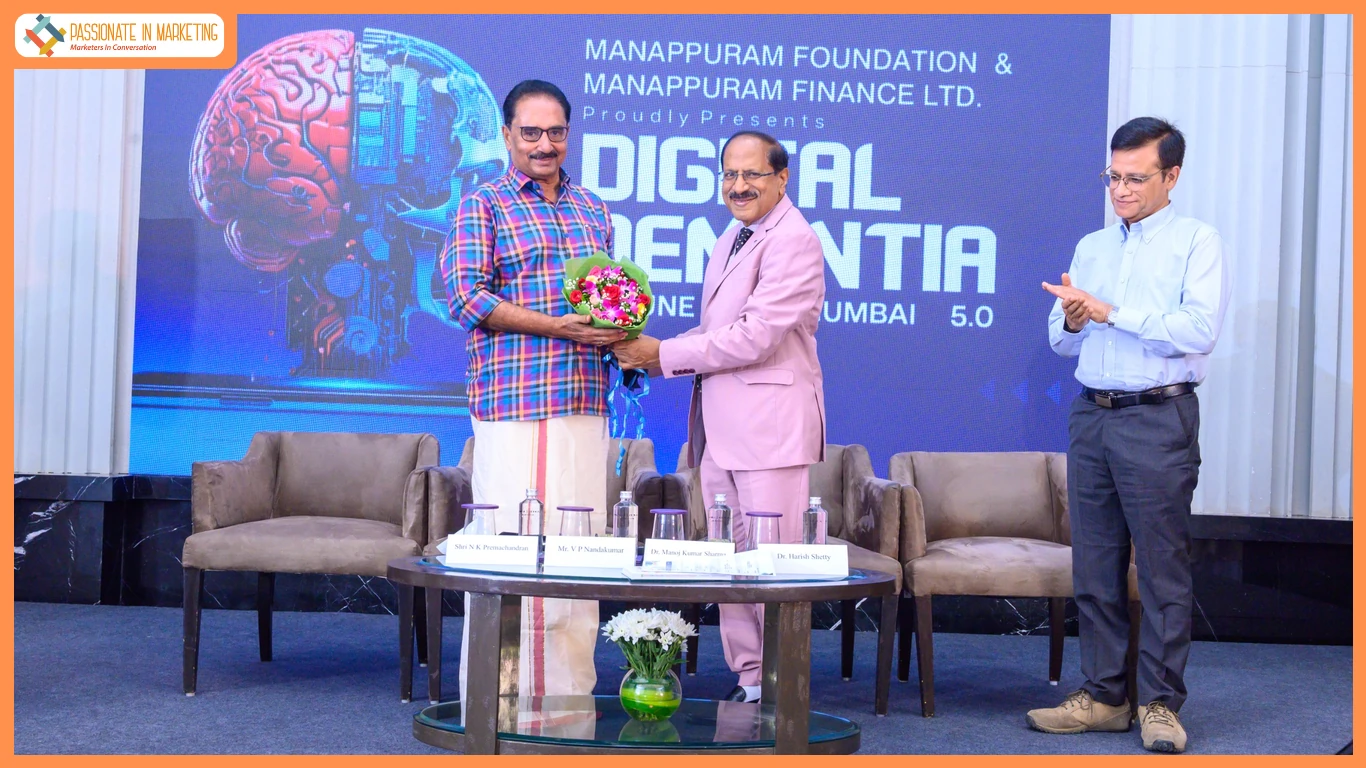
Mumbai, June 22, 2026: Manappuram Foundation, the CSR arm of Manappuram Finance Ltd., last week hosted the Mumbai edition of Manappuram Dialogues, a thought-leadership forum centred on the theme, “Digital Dementia – Understanding and Addressing the Cognitive Cost of Technology.”
The event brought together policymakers, business leaders, healthcare professionals, academicians, and social sector representatives to deliberate on the growing cognitive and behavioural impact of excessive technology use in today’s increasingly digital world.
The forum was graced by Mr. N. K. Premachandran, Member of Parliament, as Chief Guest. The forum also featured insightful sessions by renowned experts, including Dr. Manoj Sharma, Professor of Clinical Psychology and Founder, SHUT Clinic, NIMHANS, Bengaluru—widely recognised for his pioneering work in technology addiction—and Dr. Harish Shetty, one of India’s leading psychiatrists and a noted community mental health specialist, who shared perspectives on the psychological and societal implications of excessive digital engagement.
Discussions focused on the rising prevalence of digital addiction and “digital dementia,” the importance of responsible technology use, and practical approaches to promoting cognitive well-being across age groups.
Delivering the Presidential Address, Mr. V. P. Nandakumar, Chairman and Managing Director, Manappuram Finance Ltd. emphasised the need to recognise and address the unintended cognitive consequences of rapid digital adoption while fostering mindful use of technology.
“At Manappuram, we believe the corporate sector has a vital role in fostering conversations that go beyond business and address issues shaping society. Through Manappuram Dialogues, we have consistently created a platform for stakeholders to deliberate on matters of national relevance. This year’s focus on digital dementia reflects the need to build awareness about the cognitive effects of excessive digital engagement across all age groups. Our objective is not to discourage the use of technology, but to promote its responsible and balanced adoption,” he said.
Speaking at the forum, Mr. Premachandran highlighted the need to better understand the cognitive impact of excessive digital engagement in an increasingly technology-driven world. While digital technologies and Artificial Intelligence have transformed lives, it is equally important to remain mindful of their unintended effects on mental well-being and cognitive health.
He noted that as technology becomes integral to our daily lives, we must ensure that it continues to serve humanity—not the other way around. While digital advancements have brought immense convenience, growing dependence on devices is contributing to digital addiction, affecting our ability to focus, think critically, and engage meaningfully with the world. This calls for greater awareness, particularly among younger generations.
He said he would raise the issue across relevant policy forums.
Providing an overview of India’s mental health landscape, Dr. Harish Shetty highlighted that nearly one in seven Indians is estimated to be living with a mental health condition, underscoring the need for greater awareness, early intervention, and stronger support systems.
He also drew attention to rising concerns around depression and suicides among young people, noting that family conflicts, relationship challenges, and academic pressure are among the leading contributing factors in individuals under 18.
Addressing the impact of excessive digital engagement on children and adolescents, experts stressed the importance of age-appropriate access to social media platforms. They advocated stronger safeguards and stricter regulation of platforms such as Instagram for children below 15, while encouraging collaboration among parents, educators, technology companies, and policymakers to foster healthier digital habits.
Offering a clinical perspective, Dr. Manoj Sharma clarified that while “digital dementia” is not a formal medical diagnosis, it is a rapidly emerging “lifestyle diagnosis” requiring urgent public attention.
“We have increasingly traded quality human communication for an unhealthy attachment to digital devices. Over-dependence on hyper-engaging platforms can lead to academic decline, memory issues, and impaired cognitive abilities. Professionals, too, are facing severe digital distraction, impacting productivity. It is essential for society, the medical fraternity, and the corporate sector to collaborate towards healthier technology use without allowing it to erode our cognitive faculties,” he said.
The welcome speech for the event was delivered by Mr. Ashish Chandak, Group Chief Compliance Officer of Manappuram Finance Ltd., and the vote of thanks by Mr. Saju Anthony Pathadan, well-known entrepreneur and past Multiple Council Chairperson from Lions International.
About Manappuram Finance
Manappuram Finance Ltd is one of India’s leading gold loan NBFCs engaged in providing finance against gold ornaments. Incorporated in 1992, the company has been promoted by Mr VP Nandakumar whose family was involved in gold loan business since 1949. It is headquartered at Valapad in the Thrissur district of Kerala. The company went public in August 1995 and its shares are listed on the BSE and NSE.

