


A regional builder in Ohio relied on a project management system for payroll, subcontractor invoices, safety inspections, and blueprints. The system was hosted on a modest cloud setup managed by an employee with basic IT experience. Then ransomware hit.
The attackers never touched the physical job site. They didn’t need to. Payroll froze for nine days, subcontractors walked off, and the project fell six weeks behind schedule.
Construction companies have become skilled at managing physical risks, but digital exposure often receives less attention.
Two Categories of Risk, One Budget Line
Job sites constantly face physical threats such as theft, weather, structural problems, and unauthorized access. Everyone understands these risks because their consequences are visible. A stolen generator or damaged structure demands an immediate response.
Data exposure is different. A compromised system can remain unnoticed for weeks while attackers collect information or prepare an attack. By the time a breach is discovered, the financial and operational damage may already be significant.
Treating physical security as the priority while considering cybersecurity an IT issue leaves construction firms exposed.
Where Temporary Construction Walls Actually Fit In
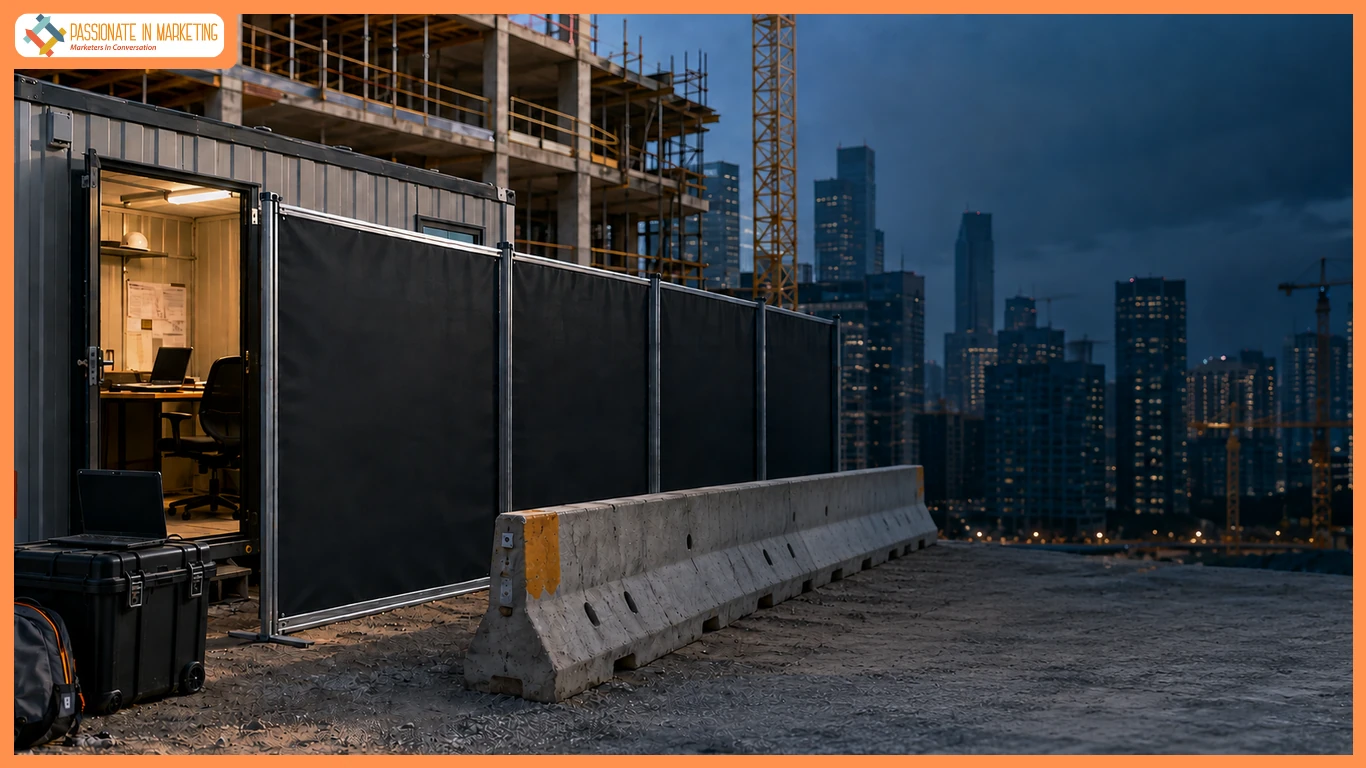
Physical protection isn’t only about preventing equipment theft. It also controls access to trailers, laptops, network equipment, and other devices used on-site. Important project information may be stored on a laptop sitting inside an office trailer protected by little more than a basic lock.
Temporary construction walls can help address this specific vulnerability. Separating office or storage areas after hours can limit unauthorized physical access to sensitive equipment.
For example, a construction firm could lose laptops containing client information, contracts, and project documents during an overnight break-in. Physical barriers, combined with proper device security, can reduce the opportunity for this type of loss.
The Data Side Needs Its Own Discipline
Physical security is only one part of the solution. Construction companies also need strong cybersecurity practices, including encryption, access controls, multi-factor authentication, and reliable backups.
Understanding how immutable backups work is especially important when protecting critical business data. Immutable backups prevent stored data from being modified or deleted during a defined retention period, even if an attacker gains access to compromised credentials.
Traditional backups may not provide the same protection if ransomware can reach and delete or encrypt them. Immutable copies provide another layer of recovery, helping firms restore payroll records, contracts, schedules, and other essential information after an attack.
A backup is only valuable if it remains available when the primary system fails.
Neither Layer Covers for the Other
The biggest mistake is treating physical and digital security as separate problems. A company can have cameras, fences, and secure trailers while still being vulnerable to ransomware. Likewise, strong cloud backups won’t prevent someone from stealing an unencrypted laptop containing sensitive project information.
Construction firms need a security strategy that addresses both types of exposure. Physical controls can protect equipment and limit access, while cybersecurity measures can protect the information stored on those devices and systems.
The companies best prepared for disruptions are those that recognize physical and digital risks can occur at the same time. Managing both as part of one security plan is far more effective than waiting for something to go wrong.
**The opinions expressed in the article are solely the author’s and don’t reflect the opinions or beliefs of the portal**

