


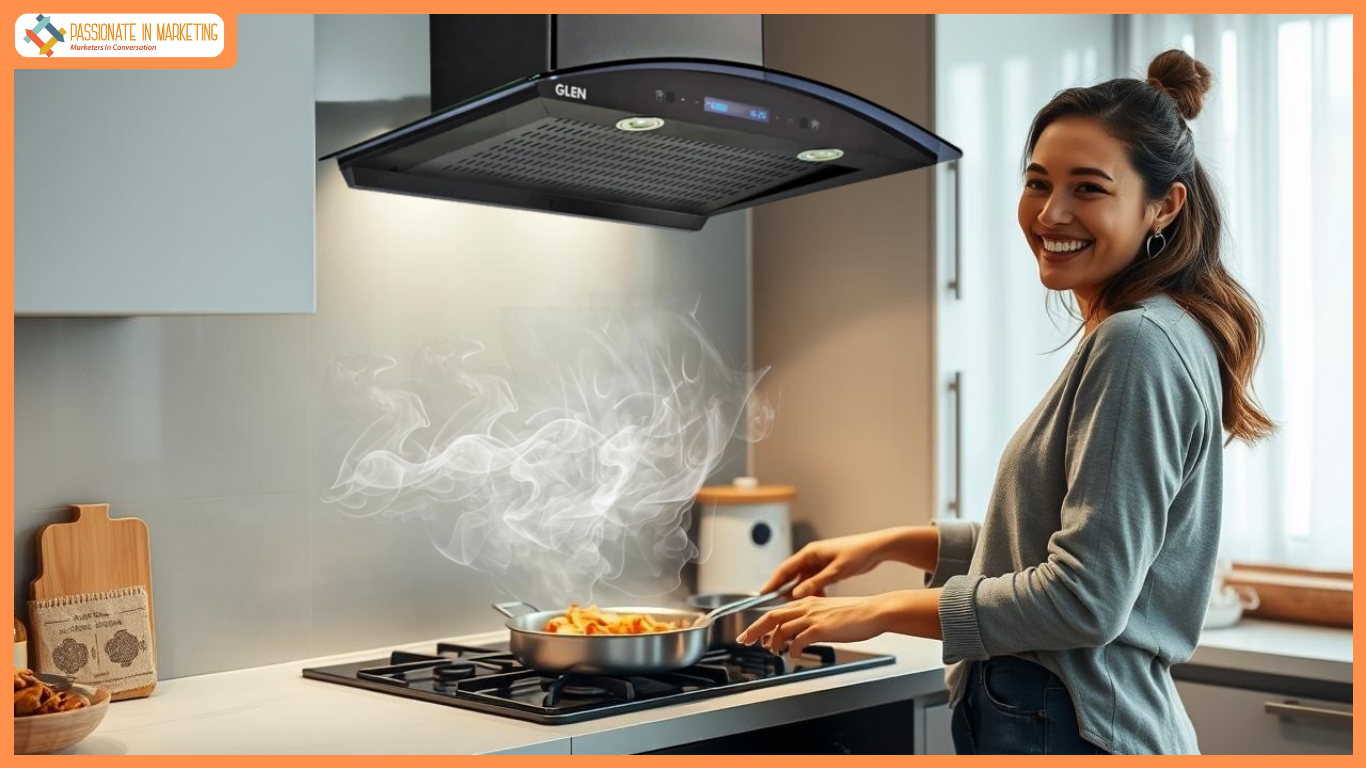
While discussions around pollution often centre on the smog-filled skies outside, we tend to overlook an equally pressing threat within our own homes. The familiar, comforting aroma of a home-cooked meal often masks a hidden danger: the smoke released during cooking carries fine particulate matter, carbon monoxide, and other harmful pollutants. In countless Indian households, an act meant to nourish, preparing food, is quietly compromising health. Yet, despite its pervasiveness, kitchen smoke rarely gets the attention it deserves in our public health discourse.
The Problem of Kitchen Smoke in India:
Indoor air pollution remains one of the most underestimated health hazards in the country. In India, traditional cooking practices, from tempering spices in hot oil to using open flames for rotis, release high concentrations of smoke and pollutants into enclosed spaces. Poorly ventilated kitchens in older urban homes, cramped apartments, and rural dwellings only exacerbate this problem.
The National Family Health Survey reveals that a majority of Indian households still cook in enclosed or semi-ventilated spaces, trapping smoke and harmful particles indoors. Further, The Indian Council of Medical Research (ICMR, 2022) warns that prolonged exposure to cooking smoke is contributing to a rise in chronic respiratory ailments among Indian women. What is more concerning is that indoor air pollution causes approximately 1.6 million deaths globally each year, according to the World Health Organization (WHO).
Beyond human health, household air pollution feeds into a wider environmental emergency, contributing to climate change and biodiversity loss. Women and children bear the brunt of this exposure, spending more time near cooking areas and, consequently, breathing in higher concentrations of harmful pollutants. This is not a rare occurrence, it is a daily reality for millions, with long-term consequences for family health.
The effects of kitchen smoke range from the immediate to the life-threatening. Short-term exposure often leads to persistent coughing, wheezing, eye irritation, and headaches. Over the years, continuous inhalation of fine particulates can increase the risk of asthma, chronic obstructive pulmonary disease (COPD), and even certain cancers.
Children and the elderly are particularly vulnerable to these health issues. For children, whose lungs are still developing, and breathing rate is faster thus inhaling more smoke, exposure can mean reduced lung function and heightened susceptibility to infections. For the elderly, especially those with pre-existing conditions, the impact can be debilitating. Beyond the physical toll, there is an undeniable link to quality of life i.e., the discomfort of smoky air, the lingering odour on clothes, and the constant irritation to eyes and throat erode the sense of well-being within a home.
Evolution of Kitchens as Wellness Spaces:
The kitchen is evolving from a purely functional space into a cornerstone of holistic home wellness. Urban Indian families are beginning to see it not just as a place to prepare meals, but as an environment that directly impacts health and hygiene. The pandemic years accelerated this change, as households became more attuned to the quality of air, water, and food at home.
Healthy kitchen design is now as much about ventilation, natural light, and airflow as it is about countertops and cabinets. Smart, health-focused appliances, from efficient chimneys to induction cooktops,are becoming more popular, showing a rise in consumer awareness. This is a welcome change that is critical to tackling the invisible health hazard of indoor kitchen smoke.
To make our kitchens truly safe, we must rethink how we approach their planning and daily use. Ventilation should be a non-negotiable priority in both new homes and renovations. Builders and architects must integrate airflow solutions into layouts, from larger windows to cross-ventilation designs.
For households, practical measures can make a tangible difference. For instance, installing high-performance chimneys, auto-ventilation systems, and using energy-efficient appliances that produce less heat and smoke can do wonders for the air quality. Education is equally important, homebuyers, interior designers, and real estate developers must understand that indoor air pollution is not a minor inconvenience but a public health issue. By treating kitchen smoke with the same seriousness as outdoor pollution, we can begin to reverse its damaging effects.
As we design and build homes for the future, freedom from smoke, starting with the very heart of the home, the kitchen, should be considered a non-negotiable. The choices we make today, from the appliances we invest in to the ventilation we demand in our homes, will shape the air we breathe tomorrow and inevitably our long-term health.

