
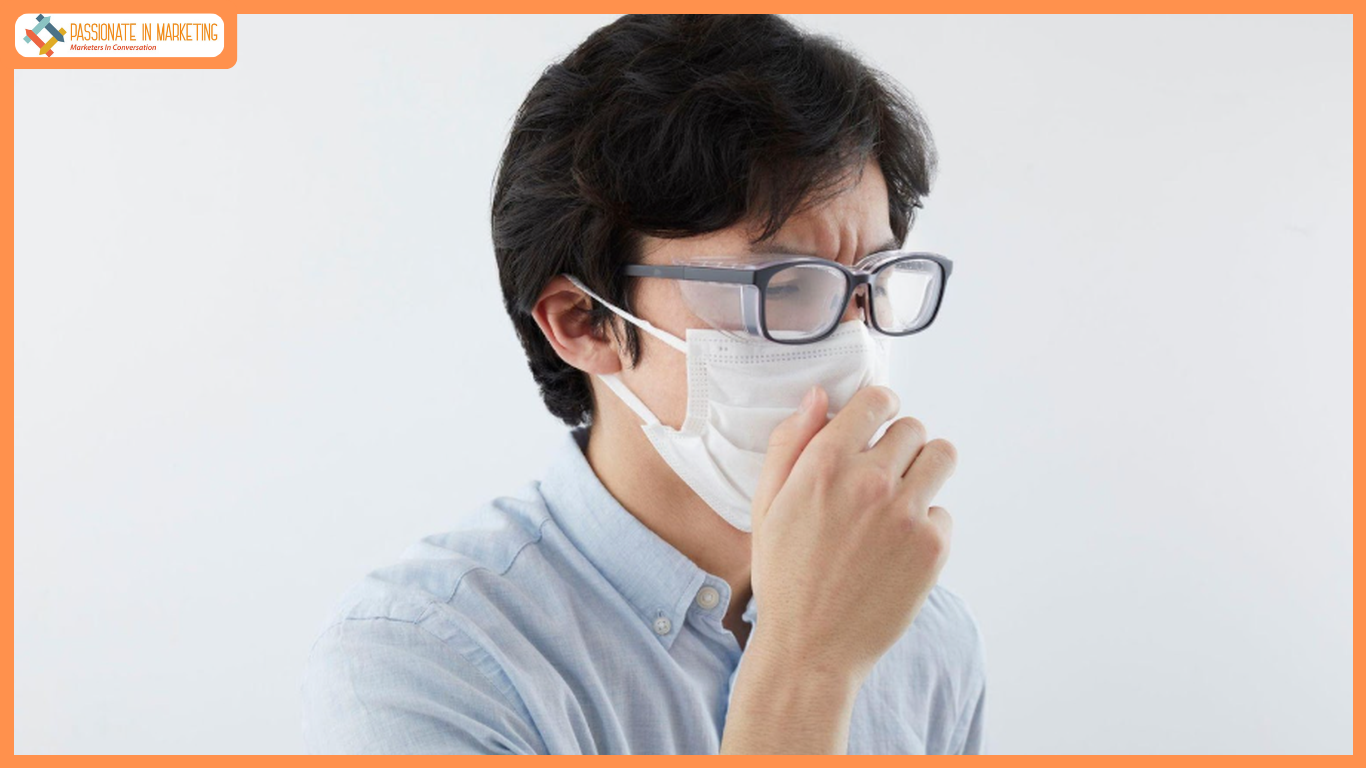
The common cold is a ubiquitous viral infection of the respiratory tract. It also spreads very easily from person to person and is extremely contagious. The common cold can spread quite rapidly, especially during the winter months when the cold weather encourages people to congregate indoors, and other seasonal factors enhance transmission. We can check the chance of an individual catching or subsequently spreading the common cold this winter by providing people with an understanding of simple prevention tips.
Why Does the Incidence of the Common Cold Increase in the Winter?
There are a number of reasons for the increase in colds that occur during the colder months. First, it is likely that winters encourage people to gather indoors, close to one another, where viruses can be transmitted from one person to another. The virus can be transferred directly via the hands, or as droplets when another person coughs or sneezes, or when pre-existing viruses are aerosolized into the air.
Second, the lower humidity when it is cold can dry out nasal passages and make your body’s defenses less effective. Third, it is possible that some immune functions are also somewhat suppressed as a result of seasonal changes, and a reduced exposure to sunlight and sunlight exposure might enhance immune function. Many people look for remedies like cheston cold tablets during these times to find relief from common cold symptoms.
Basic Practical Preventive Measures
When it comes to preventing the common cold, the best ways to protect yourself is practice simple hygiene and lifestyle habits which remains the same as always.
1.Hand Hygiene
- It is still recognized that frequent handwashing using soap and water remains the best recommendation.
- Individuals are encouraged to wash their hands after they have touched surfaces in public or upon eating foods.
- When soap and water are unavailable, they should use an alcohol-based hand sanitizer that contains at least 60% alcohol, if available.
- Handwashing technique should include soaping hands for 20 seconds, washing all parts of hands, and rinsing.
2.Avoiding Touching the Face
- The mucous membranes of the eyes, nose, and mouth allow viruses and other infections to enter into the body.
- Do not touch your own face with unwashed hands to limit the chance of transmission.
3.Respiratory Etiquette
- When you cough or sneeze, cover your mouth and nose with a tissue or your elbow.
- Dispose of the used tissue and wash your hands.
- Instruct your family members and colleagues to adhere to similar practices to minimize to spread of colds.
4.Limit Close Contact
- Try to shield yourself from people experiencing similar cold symptoms.
- Avoid sharing utensils, drinking glasses, and towels, especially during peak cold season.
5.Environmental Practices
- Cleaning and sanitise all commonly touched surfaces like doorknobs, light switches and electronics is advised.
- Continual ventilation can be enhanced by opening windows and using air purifiers as virus particles can accumulate when you are in a locked down space.
- If you are in a crowded space or poorly ventilated setting and there is a risk of being exposed to respiratory viruses, you should wear masks.
Lifestyle Recommendations that support Immune Health
- Adequate sleep can enhance immune function and decrease the likelihood of someone coming down with infection.
- A balanced diet, with enough fruits and vegetables, whole grains and lean protein, may provide the necessary vitamins, nutrients and minerals to enhance your immune defence mechanisms.
- Regular moderate physical activity can provide more circulation and improve the immune response to infections.
- Managing stress through relaxation techniques, can influence the immune system positively.
The Impact of Supplements and Medicinal Products
- Some supplements may have a supporting role in terms of preventing colds but the evidence is mixed and should not take precedence over simple preventative behaviours.
- Zinc has been noted to have some degree of a reduced incidence and duration of a cold when consumed in regular dosage for some populations.
- Vitamin C has been suggested to produce a shorter duration of symptoms but generally no preventive effects on colds.
- Probiotics have also been suggested to harness some immune support, but the inconsistency in findings has been considerable.
- Common over-the-counter products such as Cheston Cold may be used for symptom management but not preventive.
- Medications or products like Okacet Cold Tablet as approved for use, should be used as appropriate and according to the advice of health professionals.
Special Considerations for Vulnerable Populations
- The same can be said for young children, aged adults or adults with compromised immune systems.
- It is a good idea to focus on hand hygiene and respiratory etiquette in schools, childcare centres, workplaces, nursing homes or long-term care facilities.
- It is recommended for everyone to get the seasonal influenza vaccine and be vaccinated against other relevant respiratory pathogens as this does not confer protection from colds per se but offers protection from disease and complications in winter.
Considerations for cold season
- If you have cold symptoms, it is best to stay home in order not to spread the disease.
- Stay hydrated and well-nourished and maintain nutritious food consumption.
- Do not smoke, as smoking causes damage to the functions and defences of the respiratory system and exposes the population to further infection.
- Dress appropriately so that you feel warm but comfortable without excessive chilling and feeling unevenly cold with your body temperature.
Control of the common cold during the winter months is linked to hand hygiene, respiratory etiquette, physical proximity to a person that is infected, environmental cleanliness, and supports immune health in general. Coping measures such as Cheston Cold and Okacet Cold Tablet helps in managing the symptoms coming from a cold, which would be secondary to hand hygiene, respiratory etiquette, environmental cleanliness, and methods to support immune health in general in the prevention and control of the common cold.