


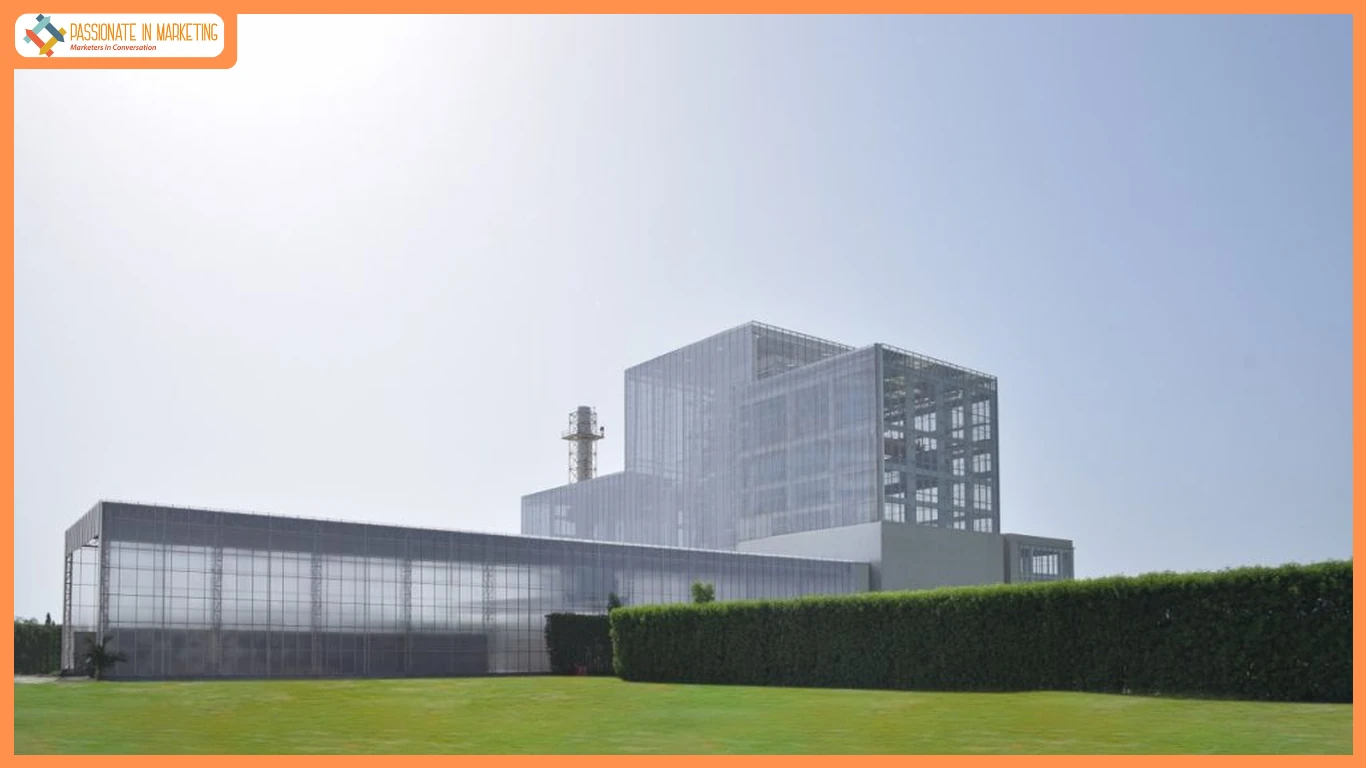
The campus of 2035 stands as a beacon of sustainability, where architecture, operations, and community life align with the planet’s rhythms. It harnesses clean energy to power daily activities, eliminates waste through innovative cycles, and nurtures regenerative practices that restore ecosystems.
For decades, institutions of higher education have faced environmental challenges; thus, it is critical for such institutions to lead by example. These institutions will need to transform themselves from being only efficient to embedding principles and practices that promote sustainable ecological health in the long run.
Harnessing Clean Energy for Resilient Infrastructure
Clean energy sources serve as the foundation for future campuses. Rooftops and open spaces will be occupied by solar PV arrays to provide energy for classrooms, laboratories**,** and residential units, while wind turbine technology will provide complementary energy through site-specific use of wind gusts; and biomass technologies will feed organic waste back into biomass systems, thus completing energy cycles on-campus.
Curriculum is central. Renewable energy and green technology courses cover solar cell basics, from module construction to grid-connected systems. Students model 10 kW solar PV plants in tools like MATLAB and study how performance changes with different insolation levels. Wind energy units look at turbine generators, site selection, and how to calculate power output, while biomass classes examine anaerobic digestion in digesters such as KVIC models, producing gas from waste. These hands-on components equip graduates to design systems capable of 100% renewable supply, helping reduce climate instability.
Energy storage advances, such as lithium-ion batteries scaled for microgrids, ensure uninterrupted supply. Campuses are using smart grids to enhance their electrical distribution systems and reduce electrical losses by 20 to 30 per cent. The result is lower greenhouse gas emissions and increased resilience against grid failures during severe weather events.
Implementing Zero Waste Through Circular Systems
On zero-waste campuses, trash will be treated as a valuable resource, while a combination of solid waste management practices, such as source segregation, composting, and recycling, diverts 95% from landfill disposal. Advanced facilities will make building materials from plastic waste, while organic waste can create energy and fertiliser through effective anaerobic digestion.
Environmental science curricula provide foundational knowledge. Modules on pollution control examine solid waste causes, effects, and strategies, including marine and thermal pollution impacts. Through conducting audits of their own campuses, students learn about the dangers of noise and radiation and how to apply those lessons to the real world. Students in the biodiversity conservation unit examine loss of habitat through case studies of deforestation and urbanization to develop waste management policies that protect local habitats.
Water conservation complements this. Harvesting rainwater enables aquifer recharge. Greywater treatment enables recycling of greywater for irrigation purposes. Education in watershed management includes principles of hydrology, soil erosion control, and check dams. Practical projects investigate poor drainage characteristics of soils and recommend amendments to improve permeability and decrease runoff. Campus education creates closed-loop systems, thereby minimizing campuses’ negative environmental impacts.
Cultivating Regenerative Living for Community Well-Being
Regenerative living addresses restoration instead of just sustainability. Campus features include green roofs, permaculture gardens, and biodiversity corridors for capturing carbon and supporting wildlife. In partnership with community farms that use organic methods, all farms are managed with vermicompost and biodynamic fertilizers to naturally enrich the soil without chemicals. SDG education focuses on the Sustainable Development Goals; specifically, SDG 7 (Affordable and Clean Energy) and SDG 15 (Life on Land).
Students learn how climate change affects agriculture and develop solutions through climate adaptation strategies, including growing crops that can survive droughts. Groups of students work on marine fishing vulnerability projects wherein they recommend specific actions that would make fishing more resilient.
These classes teach students how to create an integrated reporting framework to identify the environmental, social, and governance (ESG) metrics they will use to monitor the sustainability of their organizations.
Daily life reinforces this. Dormitories use passive solar design for natural heating, while mobility relies on electric shuttles and bike shares. Health modules in public microbiology address pollution’s human toll, promoting hygiene and well-being. Through these, campuses regenerate not just land but human connections to nature.
Toward a Living Laboratory of the Future
Education is the engine that will enable the transition of our economy and society towards a more sustainable future. Through incorporating real-world applications like solar inverters and biogas plants into their curricula, educational institutions are developing the skill sets and competencies necessary for the next generation of leaders to enable and navigate the shift to a global economy based on sustainability.
Therefore, the campus of 2035 will also serve as a living lab demonstrating how clean energy, zero waste and regenerative living will create equitable and flourishing futures for all of us.

