


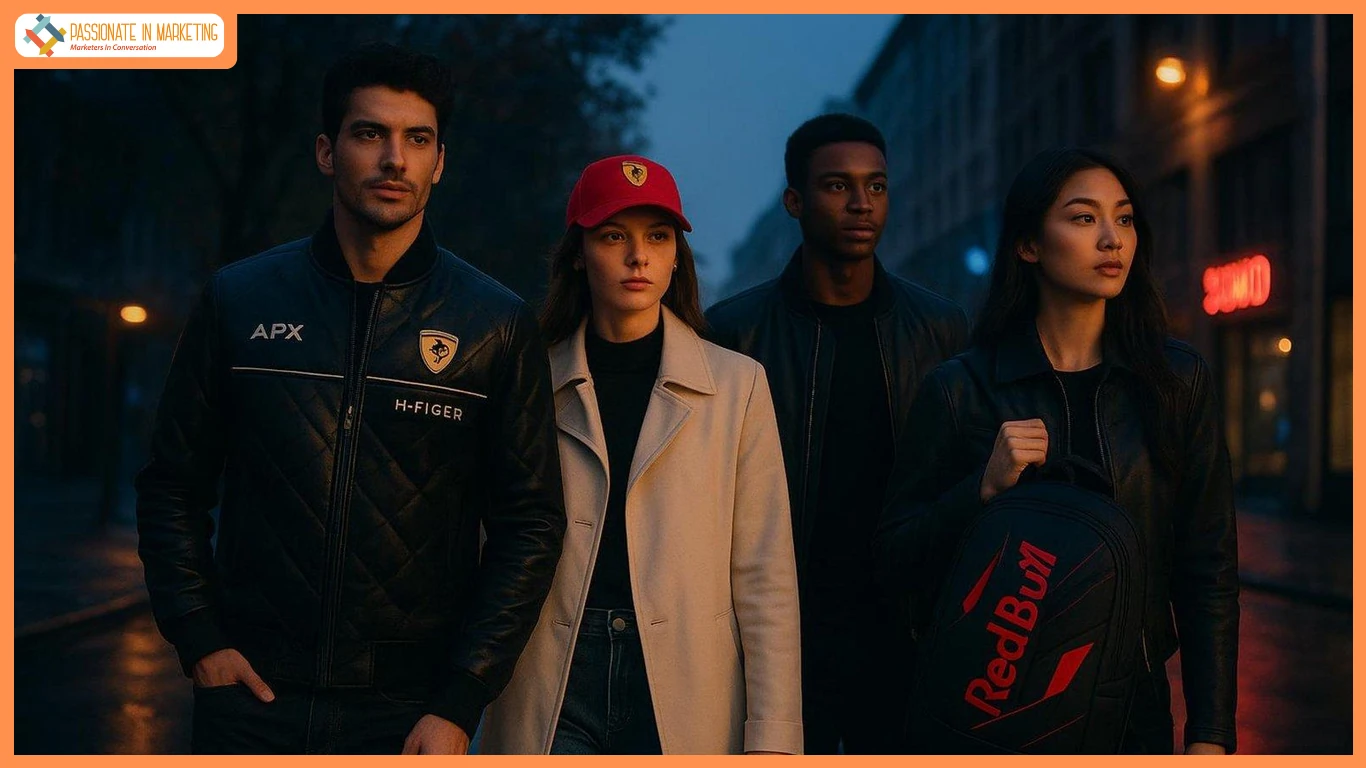
Motorsport is more than just a race. It is a lifestyle, a community, and for many fans, a lifelong passion. Fans do not just follow drivers or teams. They want to feel part of the action. Brands have recognized this and turned motorsports merchandise into a powerful tool for engagement, brand awareness, and customer acquisition.
In this post, we will explore how brands use motorsports merchandise to capture attention, attract new customers, and strengthen loyalty among fans.
What is Motorsports Merchandise
Motorsports merchandise refers to products associated with racing teams, events, or drivers. This includes apparel such as t-shirts, jackets, and caps, collectibles, accessories, memorabilia, and lifestyle items.
Unlike traditional advertising, merchandise creates a tangible connection between fans and the brand. When a fan wears a team jacket or displays a model car, the brand becomes part of their everyday life. This helps reinforce loyalty and keeps the brand top of mind long after the race has ended.
Why Motorsports Merchandise Works
Building Emotional Connections
Fans are deeply invested in motorsport. They follow championships, support their favorite drivers, and participate in fan communities. Merchandise allows them to express this passion. By owning products tied to their favorite teams or drivers, fans feel a sense of identity and belonging.
Brands leverage this connection to build long-term relationships. According to Nielsen Sports, 82 percent of sports fans say they are more likely to buy merchandise from a brand they feel emotionally connected to. This shows the power of merchandise to strengthen brand loyalty.
Increasing Brand Visibility
When fans wear merchandise in public or post photos on social media, they act as walking advertisements for the brand. This creates social proof, builds curiosity, and introduces the brand to audiences who may not follow the sport directly.
Merchandise is especially effective on social media. Photos of fans wearing branded items often go viral, reaching audiences that traditional advertising might never touch.
Diversifying Revenue Streams
Merchandise provides an additional revenue source for brands. Ticket sales and sponsorships are important, but merchandise creates a steady flow of income. Limited edition items, seasonal releases, and collectibles often sell out quickly, encouraging fans to purchase more frequently.
The global sports merchandise market is projected to grow from USD 4.22 billion in 2025 to USD 5.35 billion by 2033. This growth is driven by increased fan engagement and the popularity of motorsports worldwide.
How Brands Capture Attention with Merchandise
Offering Exclusive Products
Fans love exclusivity. Limited edition products and collector items create excitement and encourage fast purchases. Official partnerships with racing teams allow brands to produce items that fans cannot find anywhere else. For example, official F1 Teams merchandise provides fans with authentic, high-quality products that directly represent their favorite teams and drivers.
These products appeal not only to die-hard fans but also to casual followers who want to be part of the motorsport experience.
Leveraging Influencer and Driver Partnerships
Brands often collaborate with drivers and influencers to promote merchandise. When a well-known driver wears a branded jacket or showcases a product, fans are more likely to make a purchase. Influencer marketing adds credibility to merchandise and amplifies its reach across social media platforms.
Storytelling Through Merchandise
Each product tells a story. Fans appreciate knowing the inspiration behind a design, the history of a team, or the achievements of a driver. Merchandise that communicates a story engages fans on a deeper level and motivates them to buy. Storytelling also differentiates the brand from competitors.
Using Merchandise to Win New Customers
Attracting Casual Fans
Not all merchandise buyers are die-hard motorsport fans. Many are casual followers who appreciate the style, design, or cultural relevance of the products. Branded jackets, hats, and accessories can appeal to people who may not watch races regularly but enjoy the lifestyle aspect.
Encouraging Social Sharing
Fans love to post their merchandise on social media. Hashtags, unboxing videos, and race day outfit photos create organic promotion for the brand. Social sharing introduces merchandise to new audiences and helps brands expand their reach.
Creating a Community
Exclusive merchandise fosters a sense of community among fans. Limited edition items or special collections make fans feel part of an elite group. Brands can build on this by offering membership clubs, newsletters, or online forums where fans can interact, increasing loyalty and long-term engagement.
Tips for Brands to Maximize Merchandise Impact
Focus on Quality
High-quality merchandise lasts longer and feels better to fans. Comfortable apparel, durable materials, and detailed design increase perceived value. Fans are more likely to recommend and repurchase products that meet their expectations.
Understand Fan Demographics
Brands should know their audience. Products for younger fans, women, or lifestyle-oriented buyers should reflect their preferences. Tailoring merchandise to specific groups helps attract new customers while keeping existing fans engaged.
Combine Merchandise with Experiences
Events, pop-ups, and race day activations can highlight merchandise. Fans are more likely to buy items when they experience the excitement of a race or interact with drivers. Merchandise tied to experiences increases perceived value and emotional connection.
Optimize Online Shopping
A smooth e-commerce experience is essential. Clear product categories, high-quality images, detailed descriptions, and customer reviews improve conversions. Brands like official F1 Teams merchandise stores make it easy for fans to find and purchase their favorite items quickly.
Real Examples of Successful Merchandise Strategies
Formula 1 Teams
Formula 1 teams have effectively turned merchandise into a global business. From casual apparel to luxury collectibles, teams sell products worldwide, allowing fans to show support no matter where they live. The emotional and social connection of merchandise helps teams maintain strong brand loyalty.
Collaborations With Fashion and Lifestyle Brands
Some motorsport teams partner with fashion brands to create co-branded apparel lines. These collaborations attract fans and new audiences who may not be dedicated motorsport followers. Limited edition products often sell out quickly and generate significant buzz.
Event-Specific Merchandise
Grand Prix organizers sell event-specific products such as hats, t-shirts, and collectibles. Fans take home these items as mementos, while brands gain visibility through social sharing and public exposure.
Future Trends in Motorsports Merchandise
Sustainability
Fans increasingly care about sustainability. Brands that offer eco-friendly materials or ethically produced merchandise appeal to environmentally conscious consumers. Sustainable merchandise can also strengthen the brand’s image and attract new customers.
Digital and Virtual Merchandise
Beyond physical items, brands are exploring digital merchandise, such as NFTs or virtual collectibles. These products allow fans to engage with the brand online and provide additional revenue streams.
Personalization and Customization
Fans love personalized merchandise. Options like customized driver names, numbers, or colors on apparel increase perceived value and make fans feel unique. Personalized products can also drive higher sales and customer satisfaction.
Conclusion
Motorsports merchandise is more than a way to sell products. It is a strategic tool for capturing attention, building emotional connections, and converting casual followers into loyal customers.
By offering exclusive, high-quality items and telling compelling stories, brands can engage fans, expand reach, and diversify revenue streams. Whether through official F1 Teams merchandise, event-specific products, or lifestyle collaborations, merchandise strengthens both brand visibility and fan loyalty.
For fans, merchandise is a way to express passion, celebrate victories, and feel part of a community. For brands, it is an investment in long-term engagement and growth. When executed effectively, motorsports merchandise creates a win-win scenario that drives attention, builds loyalty, and wins customers.
**’The opinions expressed in the article are solely the author’s and don’t reflect the opinions or beliefs of the portal’**

