

In busy industrial environments, efficiency, safety, and flexibility are essential for smooth operations. Steel skids, though often overlooked, play a major role in supporting these important goals.
These strong, movable frames let process equipment be relocated easily as plant needs change. If you want to make your plant more effective, learning about steel skids is a great place to start.
Definition and Main Parts of Steel Skids
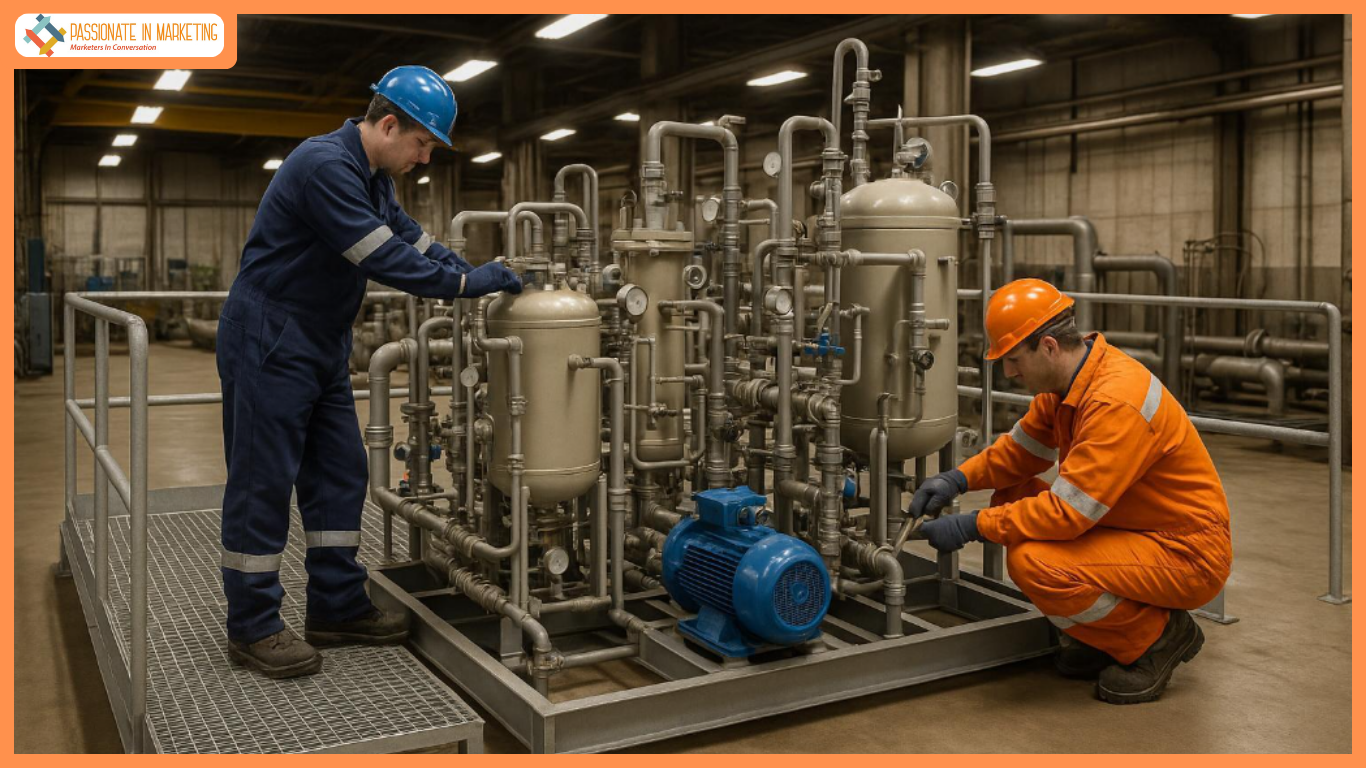
A steel skid is a metal framework, usually made from tough steel like stainless or coated carbon steel to resist rust and last longer. It acts as a base that holds and connects different types of equipment.
In most cases, a skid includes not just the frame, but also the machines (such as pumps, tanks, and heat exchangers), pipes and valves, control and monitoring devices, electrical gear, and safety gear like emergency shutoffs.
There can also be extra parts like insulation, supports, and platforms for access and maintenance.
Common Uses for Skid-Mounted Equipment
Steel skids are valuable in many different industries because they offer both convenience and adaptability. They’re especially helpful in businesses where strict safety rules, exact process control, or future changes are common.
This includes industries like pharmaceuticals, food and beverage, chemicals, oil and gas, water treatment, electricity, and construction. Whether you need a compact water purifier, a chemical dosing system, or a moveable power generator, mounting them on skids makes setup and operation easier.
How Steel Skids Improve Plant Safety
Safety in industry can’t be ignored, and steel skids help in several key ways, making the workplace safer from the start of installation through everyday use and upkeep.
Less Manual Lifting and Fewer Accidents
Installing or moving heavy factory equipment usually means a lot of heavy lifting and risk for workers, such as strains or dropping items.
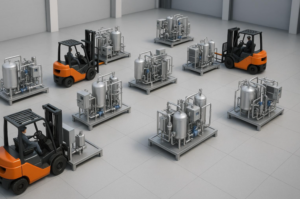
Skids change this by letting you move everything together, already secured on a solid base. They’re built to work with forklifts or cranes, which makes moving equipment safer and means less manual lifting, lowering the risk of injury or accidents at work.
Better Equipment Stability and Strength
Steel skids give machines a firm, solid foundation. This matters for both safety and equipment performance. They spread out the weight of heavy equipment so it doesn’t damage the floor and help keep machines steady, especially during transport or when they’re running.
Spill Control and Emergency Handling
Many steel skids are built with features that help prevent or contain leaks. Some have pans at the bottom to catch spills, which can stop expensive cleanups and help keep dangerous materials contained. Adding built-in systems like leak detectors or emergency shutoffs means the plant can react faster if there’s a problem, keeping incidents small and controlled.
Fire Protection and Separating Hazardous Equipment
While the main frame supports the equipment, using skids also makes it easier to keep risky or flammable processes separated from others. Putting each process on its own skid helps keep dangers contained. Materials and extra features can be chosen to resist fire, and some skids even have their own fire-fighting gear built in depending on the equipment they hold.
How Steel Skids Increase Plant Layout Flexibility
Beyond safety, steel skids offer new options for rearranging and updating plant setups. Today’s factories often have to change quickly, and skids make it much easier to adapt to new processes or to use space in the smartest way possible.
- Easy to Move and Upgrade
- Simple Transport and Installation
- Quick Connection to Existing Systems
- Saving Space and Adjusting Workflow
Tips for Choosing and Using Steel Skids
Getting the most out of steel skids means making careful choices from the start. You want to pick the right frame for your situation, not just any frame.
What to Think About When Designing Steel Skids
Good skid design isn’t just about holding up equipment. You have to match the skid to what it’s carrying, the expected environment (such as hot or humid areas, or exposure to chemicals), how much weight it will hold, and how it will handle movement or shaking from pumps or motors.
Meeting Safety and Legal Requirements
Sticking to safety rules and meeting industry standards is a must. A well-made skid should automatically support the laws and codes that apply to your business, like ASME pressure rules or safety requirements for certain environments.
Testing for Quality and Approval
One advantage of forming skid systems in a factory is the chance to run thorough tests before they get to your site. This can include checking for leaks, making sure controls work, and reviewing everything under strict rules.
Common Problems and Solutions for Steel Skid Systems
Skids offer many benefits, but they can create their own challenges. Planning ahead helps make sure your new skid system works well in your plant.
Fitting Heavy or Large Skids in Tight Spaces
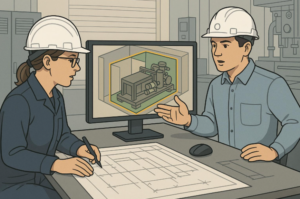
Skids are designed to save space, but in already crowded plants, fitting in lots of skids or especially large ones can be tricky. Careful design planning, like measuring the area closely or using 3D digital models, helps ensure the skid fits before it arrives.
Dealing With Harsh Environments
Factories can be tough places for equipment, with chemicals, high heat, or dampness threatening the frame. Picking the right material, like high-quality stainless steel or coated carbon steel, is important for lasting performance.
Taking care of the skids with regular checks and fixing coatings as needed keeps rust and other damage from ruining your investment.
Connecting with Existing, Older Equipment
Putting a new skid next to old plant systems can cause technical headaches. Pipes, wires, and controls might not match up right away. The best fix is thorough engineering ahead of time – which means planning each connection point, flow levels, and control hookups carefully. Reviewing the site and making sure everyone (the equipment supplier and your engineers) are on the same page leads to a better result.
**’The opinions expressed in the article are solely the author’s and don’t reflect the opinions or beliefs of the portal’**

