


Introduction
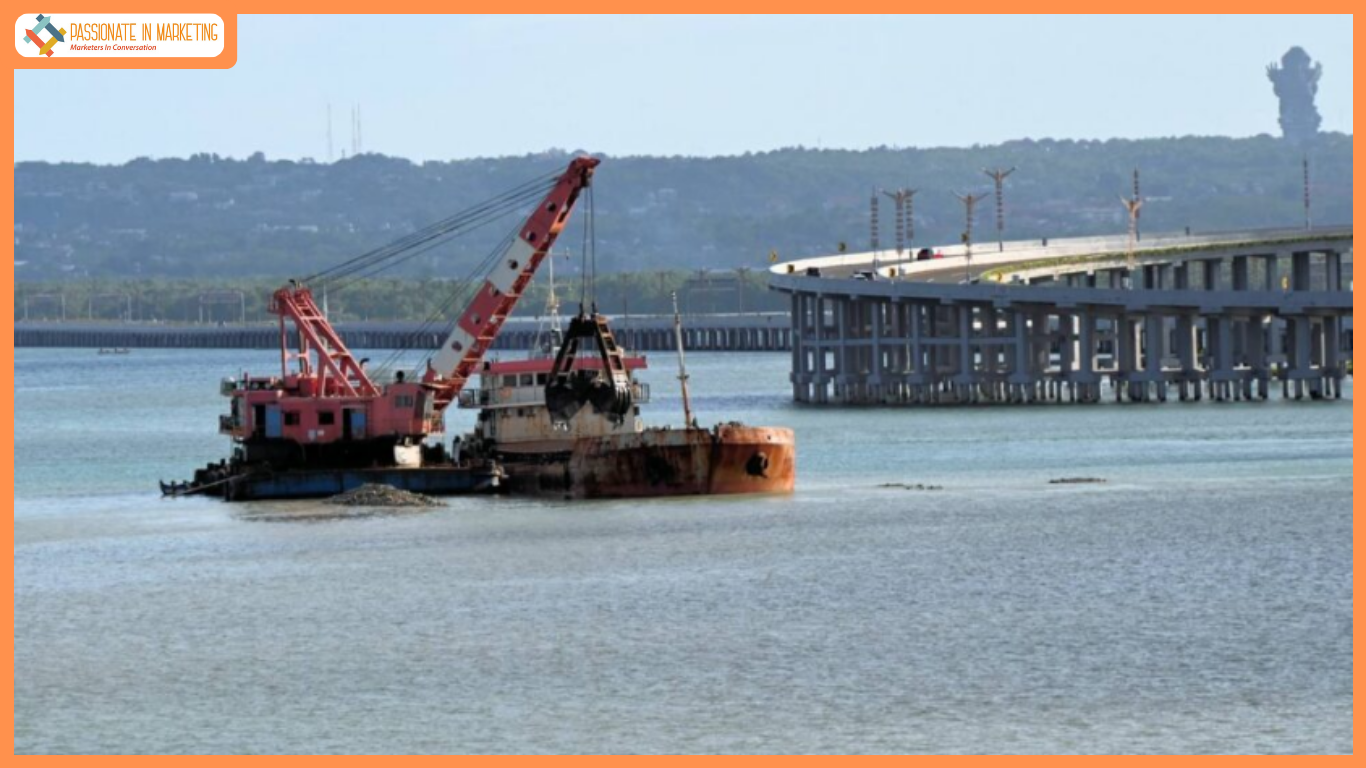
Dredging plays a pivotal role in maintaining and developing marine infrastructure, from deepening navigation channels to reclaiming land for ports and harbors. In recent years, dredge equipment advancements have significantly reshaped the industry, leading to improved efficiency, safety, sustainability, and automation. These innovations are not only enhancing the performance of existing operations but are also opening new possibilities in underwater engineering.
The shift toward modern dredging technology is being driven by several factors, including the need for more environmentally responsible practices, increased project complexity, and the demand for greater operational intelligence. In this article, we explore the cutting-edge trends and technologies shaping the future of marine infrastructure through advanced dredging systems.
Modern Dredging Technology Trends
The evolution from traditional to modern dredging technology marks a significant turning point in marine construction. Today’s dredging projects require more than just excavation—they demand precision, data-driven decision-making, and environmental sensitivity.
Key Trends Shaping Modern Dredging:
- Automation in dredging: Machine learning, AI, and automated control systems are improving real-time decision-making and operational efficiency.
- Remote-operated dredge machinery: Reducing human risk and allowing operations in hazardous or hard-to-reach areas.
- Integration of IoT and smart systems: Real-time monitoring and predictive maintenance capabilities reduce downtime and optimize equipment usage.
These technological advances are instrumental in delivering faster, more cost-effective, and safer dredging outcomes while minimizing environmental impact.
Innovative Dredging Equipment Categories
To fully appreciate the scope of current dredge equipment advancements, it is useful to examine the main categories of modern machinery being implemented in the field.
Hydraulic Dredging Equipment
Hydraulic dredging uses powerful pumps to transport dredged material through pipelines. It is particularly effective for soft sediments and large-scale operations.
Advantages:
- Continuous material removal
- Suitable for a variety of sediment types
- Lower labor requirements due to automation
Technological Enhancements:
- Improved pump designs for greater efficiency
- Enhanced slurry transport control systems
- GPS-guided cutter heads for precise excavation
Hydraulic dredging equipment is especially beneficial for port deepening, riverbed maintenance, and land reclamation projects.
Remote-Operated Dredge Machinery
Remote-operated machinery has become increasingly popular in deep-sea and environmentally sensitive operations. These systems are controlled from the surface and are capable of performing complex tasks without direct human intervention.
Key Features:
- Real-time video and sonar navigation
- Remote control panels with intuitive interfaces
- Submersible designs that minimize surface disruption
By improving operational safety and accessibility, remote-operated dredging tools represent a significant leap forward in dredging technology.
Smart Dredging Systems
Smart dredging systems incorporate advanced sensors, data analytics, and artificial intelligence to optimize every phase of dredging.
Core Components of Smart Systems:
- Sensor networks for pressure, turbidity, and material density
- AI algorithms to predict maintenance needs and adjust operational parameters
- Real-time feedback loops to refine cutting, pumping, and disposal processes
The integration of smart dredging systems into infrastructure projects enhances project predictability, reduces costs, and ensures compliance with regulatory standards.
High-Efficiency Dredge Pumps and Their Impact
Dredge pumps are the heart of hydraulic dredging systems. Recent innovations have led to the development of high-efficiency dredge pumps that deliver more power with less energy consumption.
| Feature | Traditional Pumps | High-Efficiency Dredge Pumps |
| Energy Use | High | Optimized |
| Wear Resistance | Standard materials | Hardened alloys/ceramics |
| Maintenance Frequency | Frequent | Predictive & Condition-based |
| Slurry Handling Capacity | Moderate | High-volume, high-density |
| Environmental Impact | Higher emissions | Reduced energy and emissions |
These pumps are instrumental in reducing fuel consumption, enhancing productivity, and lowering the carbon footprint of dredging operations.
Cutting-Edge Dredge Systems for Marine Infrastructure
Marine infrastructure projects today demand more than basic excavation. Whether constructing offshore wind farms, expanding ports, or restoring coastal defenses, the equipment used must be adaptable, powerful, and intelligent.
Examples of Advanced Systems:
- Modular dredge platforms that can be reconfigured based on project needs
- Dual-function systems capable of both mechanical and hydraulic dredging
- Autonomous navigation technologies for precision movement and excavation
These cutting-edge systems contribute directly to faster project timelines and improved environmental performance, making them indispensable for modern infrastructure development.
Sustainable Dredging Solutions
Sustainability is no longer an option—it is a requirement. Environmental regulations and stakeholder pressure are pushing the dredging industry toward more responsible practices. Fortunately, recent dredge equipment advancements are making it easier to meet these expectations.
Sustainable Practices Enabled by New Technologies:
- Low-emission engines that reduce the carbon output of dredging operations
- Sediment relocation techniques that minimize disruption to aquatic habitats
- Real-time monitoring tools for turbidity and water quality
By incorporating these features, innovative dredging equipment supports marine biodiversity conservation while fulfilling the operational goals of large-scale projects.
Benefits of Sustainable Dredging:
- Improved regulatory compliance
- Long-term ecosystem health
- Enhanced corporate reputation and stakeholder trust
Future Outlook
As we look ahead, the future of dredging will be defined by further convergence of robotics, artificial intelligence, and sustainability. Key areas poised for rapid development include:
- Automation in dredging control systems: Increased use of unmanned vehicles and autonomous dredgers
- Integration with smart city infrastructure: Using data from dredging operations to inform urban development and flood management
- Advanced materials and eco-friendly fuels: Reducing operational costs and emissions
Increased collaboration between technology providers, contractors, and regulatory bodies will be crucial to achieving these milestones. The shift toward cutting-edge dredge systems will continue to drive progress in both economic development and environmental stewardship.
Conclusion
The rapid pace of dredge equipment advancements is transforming the future of marine infrastructure. From high-efficiency dredge pumps and smart dredging systems to sustainable practices and remote-operated machinery, the industry is undergoing a revolution.
By embracing modern dredging technology, stakeholders can build resilient, efficient, and environmentally sound infrastructure that meets the needs of today and the challenges of tomorrow. As innovation continues, the role of dredging in shaping global coastlines, waterways, and offshore developments will only grow more critical.
**’The opinions expressed in the article are solely the author’s and don’t reflect the opinions or beliefs of the portal’**

