


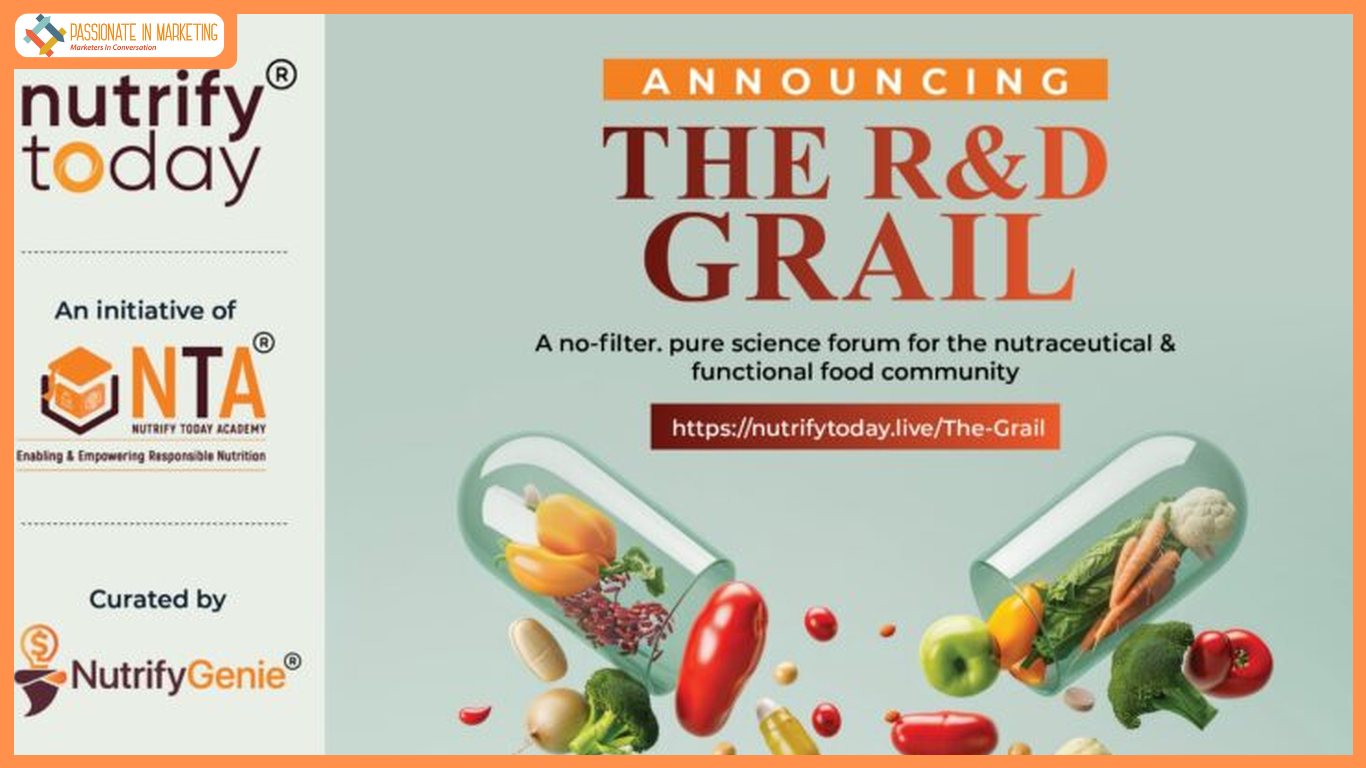
Bangalore, India — September 17, 2025: Millions of health-conscious people who have had a hard time swallowing bitter turmeric shots, astringent green tea extracts, or strong-smelling herbal pills may soon be able to breathe easier. Indian scientists are starting a new global project that promises to make nutritional supplements not only bearable, but also something people want to eat.
Anyone who has attempted to stick to a supplement habit knows how bad it can be: the bitter flavour of ashwagandha, the sharp aftertaste of bitter gourd extract, or the chalky texture that makes you want to drink water right away. About 60% of people stop taking their supplements within three months, even if they know they are good for their health.
NutrifyGenie AI is now starting “The R&D Grail,” a global study series that starts in India. Its goal is to break down what scientists call the “organoleptic barrier,” which is a fancy way of saying “this tastes terrible and I’m not taking it anymore.”
From a chore in the medicine cabinet to a daily treat
The initiative’s new way of doing things mixes old plant knowledge with new taste science and AI. Scientists are making supplements that people actually want to take instead of making people put up with bad flavours for health advantages.
One of their most famous inventions is the “fenugreek-vanilla tango.” Fenugreek is recognized for helping with blood sugar, and scientists have learnt to mix its naturally sweet notes with vanilla to make a bitter medicine taste like dessert. They use cutting-edge microencapsulation technology to keep the health advantages while adding flavours that make your taste buds happy.
The research team said, “We’re not just hiding bitterness anymore. We’re making sensory experiences with several layers, from the first smell when you open the bottle to the nice aftertaste that stays with you. It’s about making health feel like a treat.”
The Science Behind Health That Tastes Better
The research effort fills a big hole in the $150 billion global supplements market. The supplement industry has mostly overlooked the sensory experience, expecting that adults will just “tough it out.” On the other hand, pharmaceutical corporations spend billions making drugs easier to take and taste better for kids.
The Indian-led project is changing that assumption by using pharmaceutical-grade taste science on natural health items. Their method includes:
Smart pairing strategies: Turmeric with cocoa notes, bitter gourd with citrus brighteners, stress-fighting adaptogens with chai-inspired spice blends
Advanced delivery systems: Gummies that protect sensitive nutrients, chocolate formats that make antioxidants feel like treats, and even frozen novelties that deliver probiotics
AI-powered optimization: Using AI to guess how different groups of customers will like certain flavour combinations before spending a lot of money on product development
Real Effects on Daily Health Routines
This might be a game changer for busy professionals like Priya Sharma, a software engineer in Mumbai who says she has a drawer full of unused supplement bottles. “I know turmeric is good for inflammation and I should take vitamin D, but honestly, most supplements are so bad that I just forget about them,” she says. “If they tasted good, I’d probably keep up with my health routine.”
The effects go beyond just people following the rules. If supplements tasted better, they might be easier to get for people who need them, especially kids and older people who are more sensitive to bad tastes. Parents who have trouble getting their kids to take vitamin gummies might find new options that taste more like candy than medicine.
From India to Health Around the World
The timing is important. India’s traditional medical systems have found hundreds of useful plants, like Tulsi, which boosts immunity, and kalmegh, which supports the liver. However, many of these plants have strong tastes that make them hard to use. Indian researchers may open up global markets for these traditional botanicals if they could figure out how to make them taste better.
The project wants to grow beyond India to Southeast Asia, the Middle East, Europe, and North America, where it will adapt local plants and tastes. Each site will look at how to turn traditional plants into useful and attractive health products for everyday use.
Making Healthy Choices Simpler
Amit Srivastava, Chief Catalyst and founder of Nutrify Today, thinks the results could have bigger effects: “When healthy choices are also enjoyable choices, people naturally make better decisions. We could see major gains in people’s health if we could make nutritional supplements as tasty as junk food.”
The study program directly targets numerous consumer pain points that have hampered the supplement industry’s growth:
Compliance fatigue: Research indicates that the primary reason individuals abandon supplement regimens is due to taste, rather than cost or doubts over efficacy.
Acceptance by the family: Parents frequently have a hard time finding supplements that everyone in the family will take regularly. Bitter flavours can often make taking supplements feel like confessing to being sick instead of trying to get better.
What This Means for the Medicine You Keep in Your Home
In the next two years, people might see a new generation of supplements on the shelves of pharmacies and health food stores.
- Adaptogens that taste like high-end hot chocolate and help with stress
- Probiotics for digestive health that come in frozen desserts that taste like yoghurt
- Botanicals that fight inflammation in craft beverage forms
- Herbal gummy candies made by hand that are just as good as expensive candy and help the immune system
The plan also promises clearer labels regarding both health advantages and sensory experiences, which will help customers make smart choices about things they will actually use all the time.
A New Beginning in Preventive Health
As healthcare expenses go up around the world and chronic diseases connected to lifestyle factors grow more common, making preventative nutrition more appealing could have big effects on public health. If people start to like supplements as much as they enjoy recreational foods, the line between medicine and wellness could continue to blur in good ways.
The R&D Grail series starts with webinars that scientists from all over the world can join online, and offline workshops in India with limited seats. After that, it will go global. These intensive learning formats are mostly aimed at scientists and product developers in the industry. Still, they might have a big effect on consumers: finally, taking your vitamins might become the best part of your morning routine.
If you’re a scientist or professional in the field and want to join the global webinars or apply for a workshop seat, email [email protected]. Researchers in flavour science, clinical nutrition, consumer product development, and data scientists looking into how AI may be used in health and wellness are all encouraged to join the program.

