

You have invested in rooftop solar to reduce electricity bills and make better use of renewable energy. The last thing you want is a system that generates power but fails to deliver its full potential. While many homeowners focus on choosing the right solar panels, the inverter often receives far less attention.
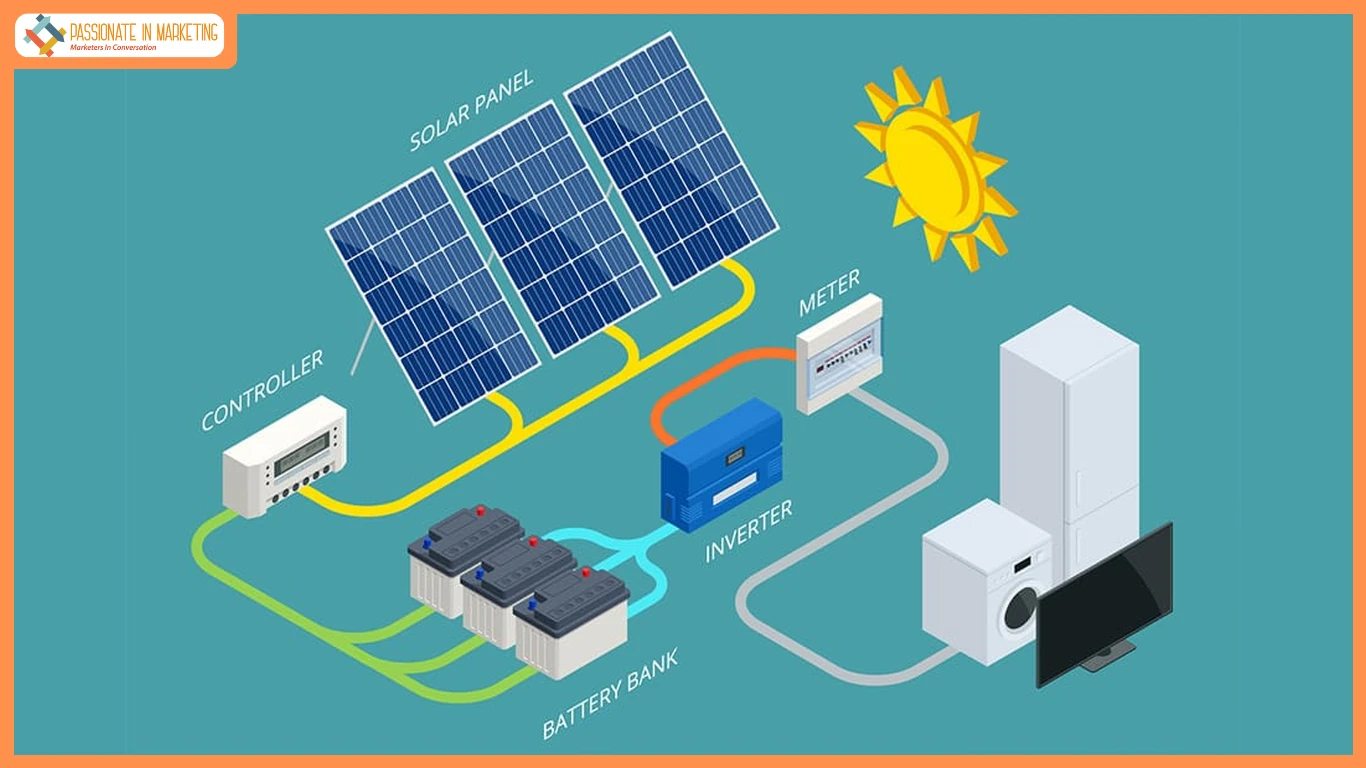
Yet, it is this single component that largely determines how efficiently your solar system performs every day and how much of the generated electricity reaches your home. A solar inverter converts Direct Current (DC) produced by solar panels into Alternating Current (AC) that powers your household appliances. Beyond power conversion, it influences energy efficiency, system safety, and long-term reliability.
Let’s discover the seven features that define a reliable solar inverter before making your choice.
What Makes a Reliable Solar Inverter? 7 Features to Check Before You Buy
A dependable solar inverter does much more than convert electricity. The right features can improve efficiency, strengthen system protection, and help your solar setup perform consistently throughout the year. Here are the seven features worth considering before making your decision:
- Efficient Power Conversion that Reduces Energy Loss
The main responsibility of a solar inverter is to convert electricity generated by solar panels into usable household power. During this process, a small amount of energy is naturally lost.
Choosing an inverter with high conversion efficiency helps minimise these losses, allowing more electricity to reach your appliances. Better efficiency improves the overall performance of your solar system and increases the value of every unit of energy your panels generate.
- Earlier Start-up for Longer Daily Power Generation
Sunlight is available for many hours, but not all of it is equally strong. An inverter with a low startup voltage begins producing usable electricity even during the softer morning light and continues working until daylight starts to fade.
This extends the daily generation period without changing the solar panel installation. A solar inverter with this feature helps homeowners make better use of available sunlight throughout the day.
- Dependable Operation in Hot and Cold Conditions
Solar equipment remains outdoors throughout the year, making weather resistance an essential feature. High temperatures, cooler winters, and seasonal changes can all influence system performance if the equipment is not designed to handle them.
A solar inverter capable of operating between -25°C and +60°C delivers more reliable performance across varying weather conditions. This helps maintain stable electricity generation throughout every season.
- Built-in Protection Against Voltage Surges
Unexpected voltage surges can result from lightning strikes, grid disturbances, or sudden electrical fluctuations. Without proper protection, these events may affect both the inverter and connected appliances.
Choosing a solar inverter with Type II surge protection on both the DC and AC sides adds an important layer of safety. It helps safeguard the entire solar system and supports dependable long-term operation.
- Flexible System Design with Higher DC Input Capacity
The number of solar panels connected to an inverter can influence the overall efficiency of the system. A solar inverter with a high DC input voltage allows more panels to be connected in a single string, making the installation simpler and more organised.
This can reduce cabling requirements, minimise power losses, and support improved energy transfer. It is particularly beneficial for homeowners planning larger rooftop solar systems.
- Smoothly Powers Multiple Household Appliances
Modern homes often operate several appliances at the same time, especially during peak hours. Lighting, refrigerators, televisions, routers, washing machines, and kitchen appliances all contribute to the overall electrical load.
A solar inverter with a high AC output current is better equipped to handle these simultaneous demands. This helps deliver a stable power supply, allowing your household to run essential appliances without interruptions.
- Easy Performance Monitoring Through a Smart App
Modern technology has made it much easier to keep track of solar system performance. Many advanced inverter models include app-based monitoring that provides real-time information on electricity generation, system health, and maintenance alerts.
A solar inverter with smart monitoring allows homeowners to identify potential issues early and understand their daily energy production. This level of visibility helps maintain consistent system performance and supports better energy management over time.
Choose a Solar Inverter that Delivers Reliable Performance for Years
Selecting the right solar inverter is about much more than comparing prices. Features such as high conversion efficiency, low startup voltage, wide temperature tolerance, surge protection, higher DC input capacity, strong AC output, and smart monitoring all contribute to dependable long-term performance.
Solar solutions from brands like Eastman Auto & Power Limited are designed with features that support efficient energy conversion and reliable operation, helping homeowners get more from their rooftop solar systems.
By focusing on these essential capabilities before making your purchase, you can build a solar setup that delivers greater efficiency, enhanced safety, and dependable power generation for many years to come.
**’The opinions expressed in the article are solely the author’s and don’t reflect the opinions or beliefs of the portal’**

