


The inaugural edition of the two day Piyush Rang Mahotsav concluded at Shri Ram Centre for Performing Arts, marking the 71st birth anniversary of the late Padma Bhushan awardee and legendary advertising visionary Piyush Pandey. Conceived as a deeply personal tribute by his sister Rama Pandey under the aegis of RATNAV (Rama Theatre Natya Vidya), the festival brought together evocative storytelling, powerful performances, and a shared commitment to preserving cultural narratives.
Spread across two days, the festival presented two distinct yet equally compelling theatrical experiences, each exploring themes of memory, legacy, power, and transformation.
The opening day featured the staging of Darakht e Azaade Hind, a deeply moving contemporary narrative set in a village in Uttar Pradesh. At its centre stood a 200 year old neem tree that has silently witnessed India’s freedom struggle and continues to live as a symbol of identity and resilience for the Chaudhary family. More than a part of their surroundings, the tree becomes a living ancestor, a guide, and a keeper of history. As the pressures of development threaten its existence, the family matriarch rises in unwavering resistance, embodying a spirit that echoes the courage of countless freedom fighters. The play unfolded as both an intimate personal story and a wider reflection on heritage, belonging, and the cost of progress.
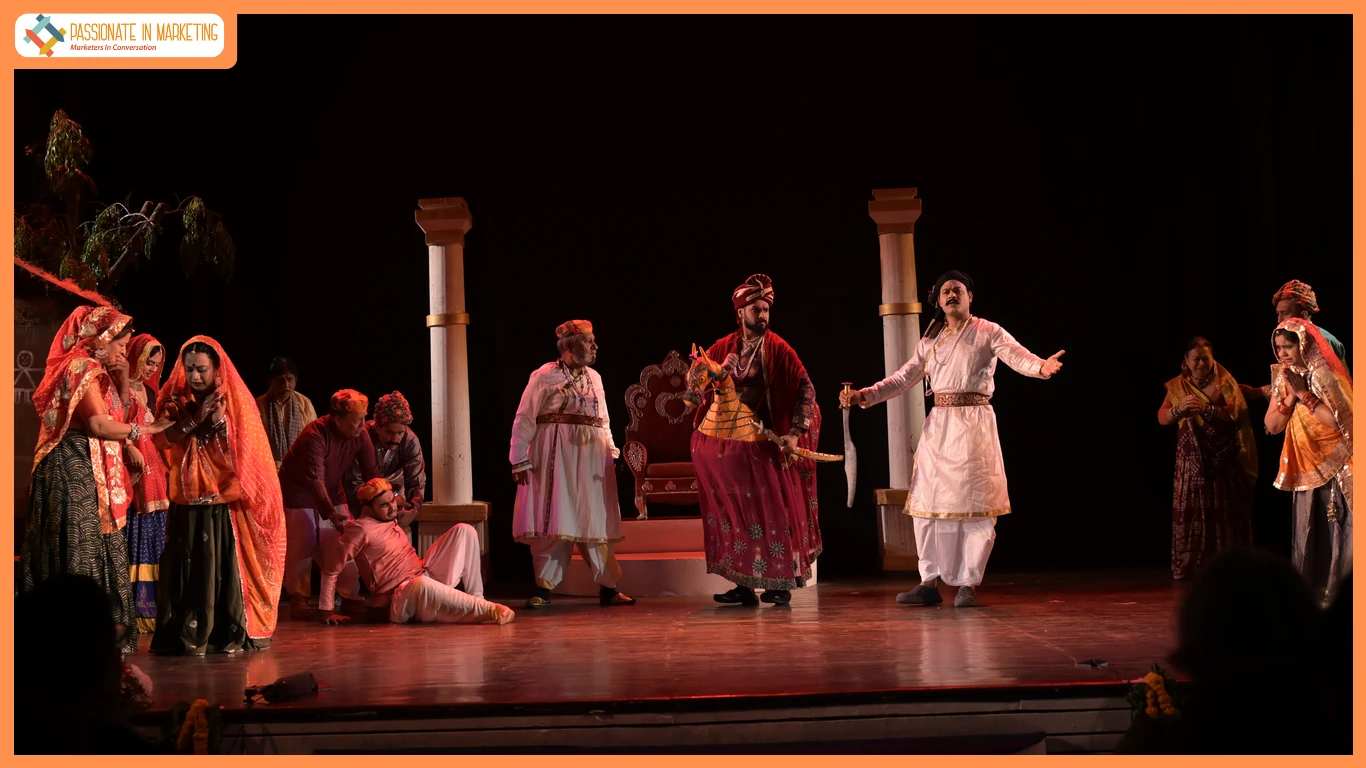
The second day saw an equally powerful presentation of Thakur Zalim Singh, written and directed by Rama Pandey. Inspired by the philosophy of the Bhagavad Gita, the play explored the idea of action without attachment to results, while delving into the complexities of human desire and morality. Set in Rajasthan, the narrative followed a ruthless ruler driven by power and control, contrasted with a voice of compassion and justice. At its core, the play raised a profound question of whether redemption and transformation remain possible even for those consumed by darkness.
Together, the two productions created a cohesive narrative arc for the festival, moving from the preservation of legacy to the possibility of inner change, and offering audiences a layered and thought provoking theatrical experience.
The festival also served as a platform to honour significant contributions to Indian culture and literature. Sachchidanand Joshi, Member Secretary of Indira Gandhi National Centre for the Arts, was conferred the Sanskritshree for Preserving Culture of India in recognition of his work in safeguarding cultural heritage. The Sahityashree honour was presented to 99 year old Padma Shri awardee Sheela Jhunjhunwala for her lifelong contribution to literature.
Reflecting on the journey of the festival, Rama Pandey shared, “This festival has been both a tribute and a beginning. It carries forward my brother’s way of seeing the world through stories, but also opens new paths for those stories to grow, evolve, and find new voices. Theatre allows us to hold on to memory while constantly rediscovering it, and that is what we hope Piyush Rang Mahotsav will continue to do in the years to come.”
She expressed gratitude to the audiences, artists, and collaborators who shaped the first edition and affirmed that the festival will return as an annual platform dedicated to theatre, literature, and cultural dialogue. She also reiterated the intent to bring rural oral traditions and folk narratives to the national stage, creating new pathways for recognition and preservation.
The festival witnessed enthusiastic participation from students across leading colleges, including St. Stephen’s College (The Multilingual Theatre Society); Kalindi College (RAQS: The Dramatics Society); Zakir Husain Delhi College; Mrichhkatikam – The Dramatics Society of MAMC, Delhi adding a vibrant and engaged audience to the performances. Thoughtful elements such as a photo installation inspired by Piyush Pandey’s iconic moustache and interactive audience moments contributed to the warmth and personal nature of the experience.
At the heart of this initiative is RATNAV (Rama Theatre Natya Vidya), an organisation committed to nurturing theatre as a space for cultural expression and dialogue. Through its work, RATNAV continues to focus on developing original productions, mentoring emerging talent, and bringing stories rooted in Indian traditions to contemporary audiences. Its initiatives aim to bridge the gap between rural and urban narratives, ensuring that oral traditions, folk stories, and regional voices find meaningful representation on the national stage. With Piyush Rang Mahotsav, RATNAV further strengthens its vision of creating platforms that celebrate heritage while encouraging new creative explorations.
Blending memory with performance and legacy with contemporary expression, Piyush Rang Mahotsav stands as a meaningful cultural initiative that honours the past while shaping the future of storytelling.

