


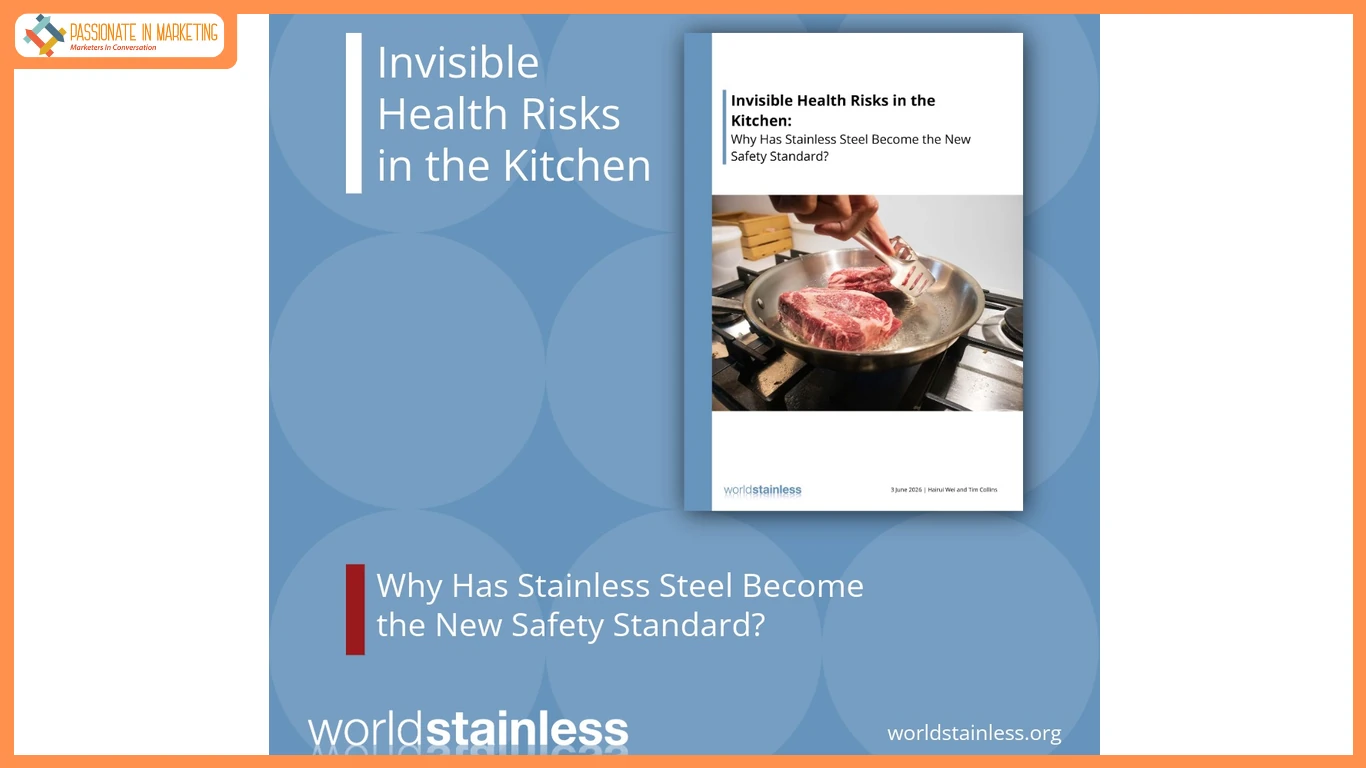
National, June 4: A groundbreaking new white paper released today exposes the overlooked health hazards associated with widely used kitchenware materials—including plastics, PTFE coated nonstick cookware, and ceramics—and presents stainless steel as the definitive, science-backed solution for building safe, durable, and environmentally responsible kitchens. The release comes just ahead of World Food Safety Day on 7 June, underscoring the urgent need for greater consumer awareness and stronger industry standards.
The report, titled “Invisible Health Risks in the Kitchen: Why Has Stainless Steel Become the New Safety Standard“, examines the behavior of different cookware materials under regular cooking conditions and their potential impact on food safety.
According to the study, plastic kitchenware may release substances such as plasticisers, BPA, and micro and nano-plastics when exposed to temperatures as low as 70 degrees Celsius. It also noted that low-quality products may contain recycled materials with potentially harmful contaminants.
The report said PTFE-coated non-stick cookware can begin to decompose at temperatures of around 260 degrees Celsius, releasing fumes and PFAS chemicals, which have been linked to environmental and health concerns.
Ceramic cookware, meanwhile, may pose risks if glazes contain heavy metals such as lead and cadmium, which can leach into food over time, it added.
The study also highlighted what it described as information gaps in the market, saying consumers are often unaware of the potential risks associated with different kitchenware materials. The white paper identified stainless steel as a material that offers advantages in terms of durability, heat resistance and recyclability. According to the report, a passive protective layer on stainless steel helps prevent corrosion and limits the migration of metal ions into food.
It further noted that stainless steel products can have a long service life and are recyclable, making them consistent with circular economy objectives.
The report called on manufacturers, regulators, and industry bodies to strengthen standards for food-contact materials, improve supply-chain transparency, enhance consumer awareness, and support the adoption of safer kitchenware materials.
The white paper has been published by World Stainless and is available for public access

