


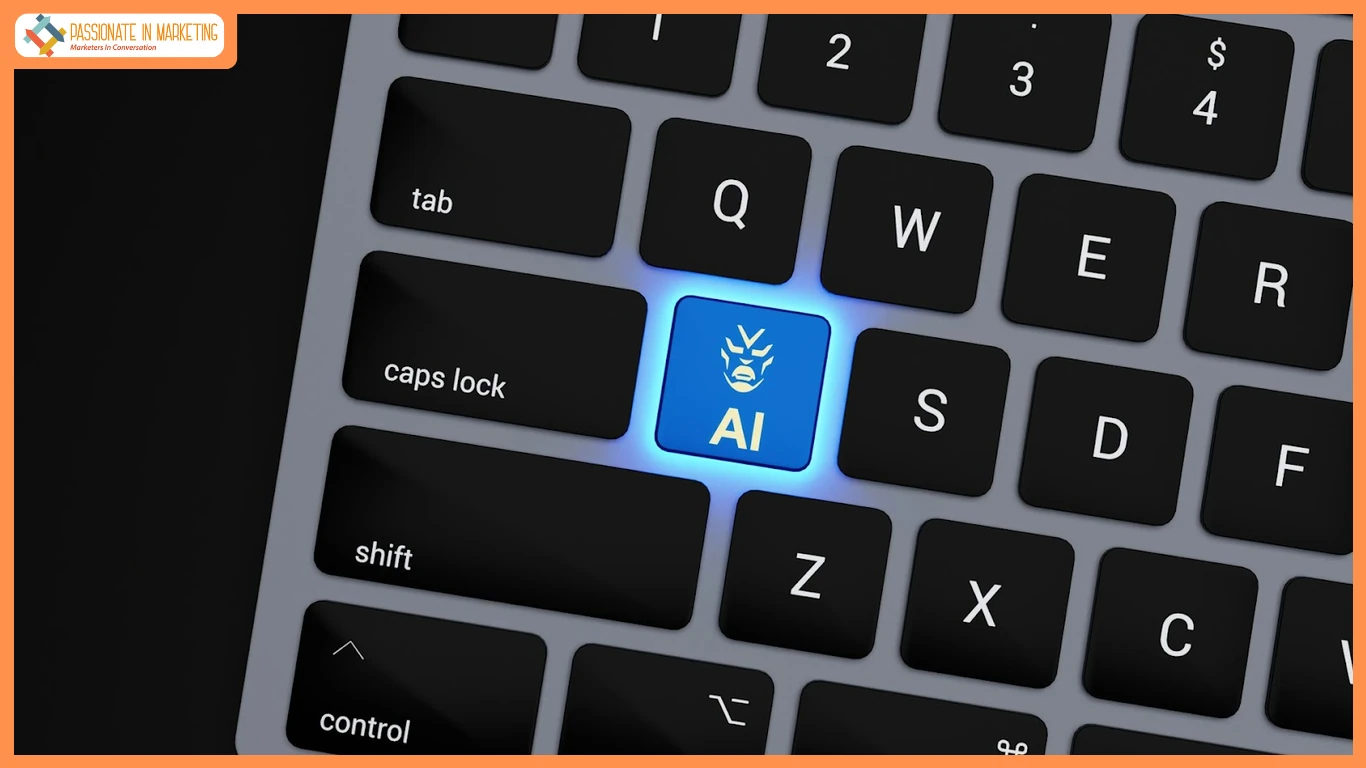
New Delhi, June 24, 2026: As Indian companies accelerate AI adoption and focus on technical upskilling, new research from International Workplace Group (IWG), the world’s leading platform for work, suggests that the next workforce challenge is building the human capabilities needed to use AI creatively and collaboratively.
According to IWG’s survey, the vast majority (90%) of HR leaders believe that failing to prioritize human capabilities is a risk to innovation. This finding reflects the emergence of a new “Human Skills Economy,” in which empathy, judgment, creativity, and leadership are core to business performance.
Rise of AI: A New Operating Reality for Work
AI is now deeply embedded in everyday workflows across organizations. IWG’s survey of hundreds of HR and recruitment leaders revealed that 73% of hybrid teams are already using tools like ChatGPT and 82% of organisations offer AI training. However, HR leaders say their readiness must accelerate to keep up, with fewer than half (45%) saying they are effectively closing the skills gap, suggesting a significant number of organisations are still lagging in effective AI use.
The findings are particularly relevant for India, where organisations are rapidly moving towards AI-enabled ways of working. India leads the world in workplace AI adoption, with 73% of workers using AI tools regularly, well ahead of the United States (45%) and the United Kingdom (29%).
According to Microsoft’s 2025 Work Trend Index India findings, 93% of Indian business leaders intend to use AI agents to extend workforce capabilities within the next 12–18 months. This acceleration makes the development of human skills such as empathy, judgment, leadership and collaboration even more critical as companies redesign work around human-AI collaboration.
Humans + AI: The New Performance Model
As the labour market tightens – particularly at the entry level – employers are being forced to rethink what truly drives performance. Research from Randstad and the Institute of Student Employers shows that entry-level vacancies fell by 29% globally between January 2024 and the end of 2025, raising the bar for what differentiates candidates.
In India, that squeeze is already visible in the sector that defined its rise, with entry-level IT roles down an estimated 20 to 25% as automation absorbs routine work, even as the country fields one of the world’s youngest workforces.
While Gen Z brings a clear advantage in technological fluency, skills alone are no longer enough. The real differentiator is AI literacy: the ability to meaningfully apply AI tools in day-to-day work to unlock productivity and new ways of thinking.
In fact, research from International Workplace Group shows that nearly two-thirds of younger employees are already helping older colleagues adopt AI, from hands-on coaching to embedding tools into everyday workflows.
Against this backdrop, a new performance model is emerging, in which AI handles technical and repeatable tasks, and human capabilities define impact, leadership, and long-term value. HR leaders are clear about where humans remain essential:
- 65% say AI will never replicate human empathy
- 64% say it falls short in complex decision-making
- 53% say leadership will remain uniquely human
At the same time, boundaries are still evolving. Only 40% believe creativity will remain beyond AI’s reach, signalling a continued shift in how organisations define the line between human and machine capability.
Elements That Can’t Be Replicated: The Enduring Value of Human Skills
Even as automation expands, human skills are becoming the most durable source of competitive advantage. While 40% say missing AI or technology skills can disqualify candidates, two-thirds (66%) of HR leaders now say applicants’ ability to demonstrate human skills matters most in hiring, ranking above experience, technical skills, and education.
This shift is also reflected in evolving hiring signals: 45% of employers say they look for context around career moves and gaps to better understand a candidate’s overall experience and trajectory.
In India, industry body NASSCOM has noted that India has the capacity to reskill and develop 8 -10 million professionals in AI-related services by 2030. Deloitte and NASSCOM have also estimated that India’s AI talent demand could grow from 600,000–650,000 to more than 1.25 million between 2022 and 2027, while noting that a shortage of qualified professionals could slow innovation and growth. This makes the combination of AI fluency and human capabilities central to India’s future workforce readiness.
Further, more than half (55%) of HR leaders say hybrid workplaces are among the most effective settings for building empathy, judgment, and leadership skills, underscoring how hybrid work environments are seen as spaces where essential human traits like trust, mentorship, collaboration, and decision-making are actively developed and reinforced.
The Bottom Line
As AI reshapes work, organisations face a clear mandate. Success now depends not just on adopting new technologies, but also on strengthening human capabilities and helping technology and humans work as true teammates.
The future belongs to companies that integrate AI while intentionally building environments where human skills thrive.
Mark Dixon, CEO & Founder of International Workplace Group, commented: “Every major technological shift has redefined how we work — from the rise of the internet to email to smartphones. AI is no different, but what sets this moment apart is the speed and scale of change. Some roles will evolve or disappear, while entirely new ones will emerge.
As always, the organisations that resist transformation will fall behind. A key advantage will belong to those that combine AI’s efficiency with the uniquely human skills that drive innovation, leadership, and growth.”
Harsh Lambah, India Country Manager and VP Sales of South Asia at International Workplace Group, commented: “India is uniquely well positioned to lead the new ‘Human skills economy’ given that it has the world’s youngest workforce, and the fastest rate of AI adoption. The workplaces that will win in this new economy are the ones where people and AI grow together, and that is exactly what we are building across the country.”
Methodology:
The IWG Human Skills Economy Report was conducted in April 2026 by Mortar Research and targeted 510 U.S.-based HR, recruitment and hiring managers.
About International Workplace Group PLC
International Workplace Group (IWG) is the world’s leading platform for work enabling companies of all sizes to work more productively and profitably. We create personal, financial, and strategic value for the most exciting companies and well-known organizations on the planet as well as individuals and the next generation of industry leaders. All of them harness the power of IWG’s platform to increase their productivity, efficiency, agility, and market proximity.
International Workplace Group’s unrivalled network coverage includes more than 5,000 locations across 120 countries and 83% of Fortune 500 companies are amongst our growing customer base.
Our brands including Regus, Spaces, HQ and Signature serve millions of people, providing professional, inspiring and collaborative workspaces and all our digital services are available via the IWG app.

