


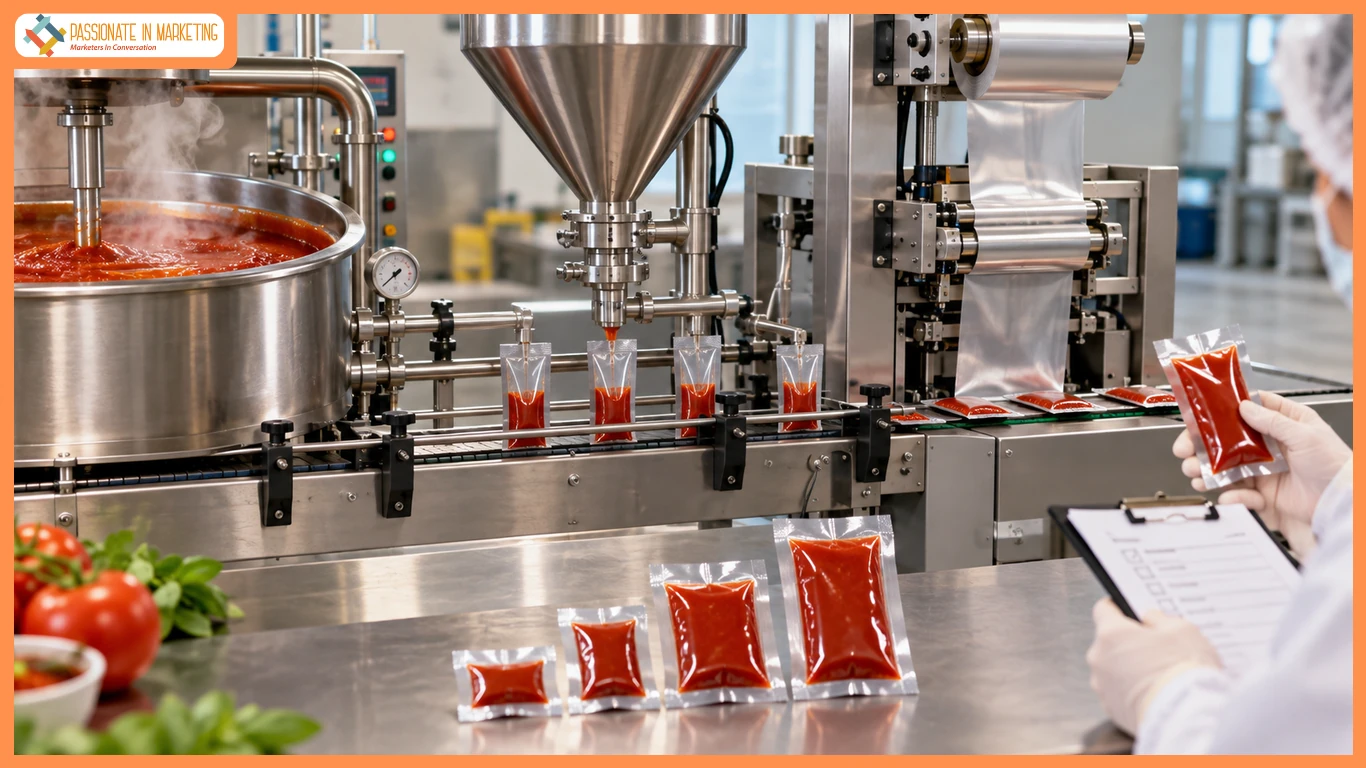
A new sauce pack size may seem like a marketing choice, but heating, filling, and sealing determine whether it can launch. Changes in bottle, pouch, or carton size can affect equipment, filling, closure, and quality checks.
Discuss format changes early, including the sauce, pack size, material, closure, market, and production route. Confirm whether existing equipment can support them.
Turn the Pack Size Into a Route Question
Start with the physical changes. Pack size can affect fill volume, headspace, handling, labelling, packing, and equipment.
Create a brief covering the product, package, pack size, closure, heating, filling, sealing, and open questions. This helps teams compare options without assuming the format is already qualified.
SHENGTU sauce filling equipment should be reviewed against that written route. On shengtumachinery.com, sauce production information separates common preparation, preheating, sterilization, and filling from product-specific concentration and blending choices. That is a useful way to keep a brand decision connected to the process it will require.
Confirm heating before changing the filler
SHENGTU’s tomato and chili sauce process includes washing, size reduction, preheating, sterilization, and filling, while concentration and blending vary by sauce type. Ketchup and compound sauces use jacketed-kettle blending after partial concentration. The product and approved process—not pack size—determine the required route.
Before changing format, confirm the heating route, filling condition, and process changes. If these are unclear, conduct a feasibility review before making production promises.
Match the Filler and Closure to the Package
The filler and closure must suit the selected package. Size changes can affect handling, tooling, filling, sealing, inspection, and stoppages.
Review the format with filling and packaging teams. Confirm which parts change, how containers are handled, how closures are checked, and whether qualification is needed.
SHENGTU’s public information describes its line scope but does not prove compatibility with every package. Qualification remains the responsibility of the brand, plant, and packaging partners.
Use Aseptic Claims Only Where Supported
SHENGTU describes its UHT aseptic line as a sterilizer, aseptic tank,
Give the launch team a realistic decision point
On shengtumachinery.com, SHENGTU separates line stages that are shared across sauce routes from stages that change with the product. Use that distinction in a launch meeting. A new pack size may stay inside an existing route, or it may expose a change in filler parts, closure handling, or the qualified package itself. Neither conclusion should be guessed from a marketing mock-up.
Ask the technical owner to mark each item as confirmed, under review, or out of scope. Keep wording simple so marketing can base claims and launch plans on confirmed decisions.
Make the route visible. Do not guess.
End each meeting by documenting the package sample, process owner, engineering and quality actions, and required evidence. This separates confirmed decisions from items needing technical approval.
**The opinions expressed in the article are solely the author’s and don’t reflect the opinions or beliefs of the portal**

