


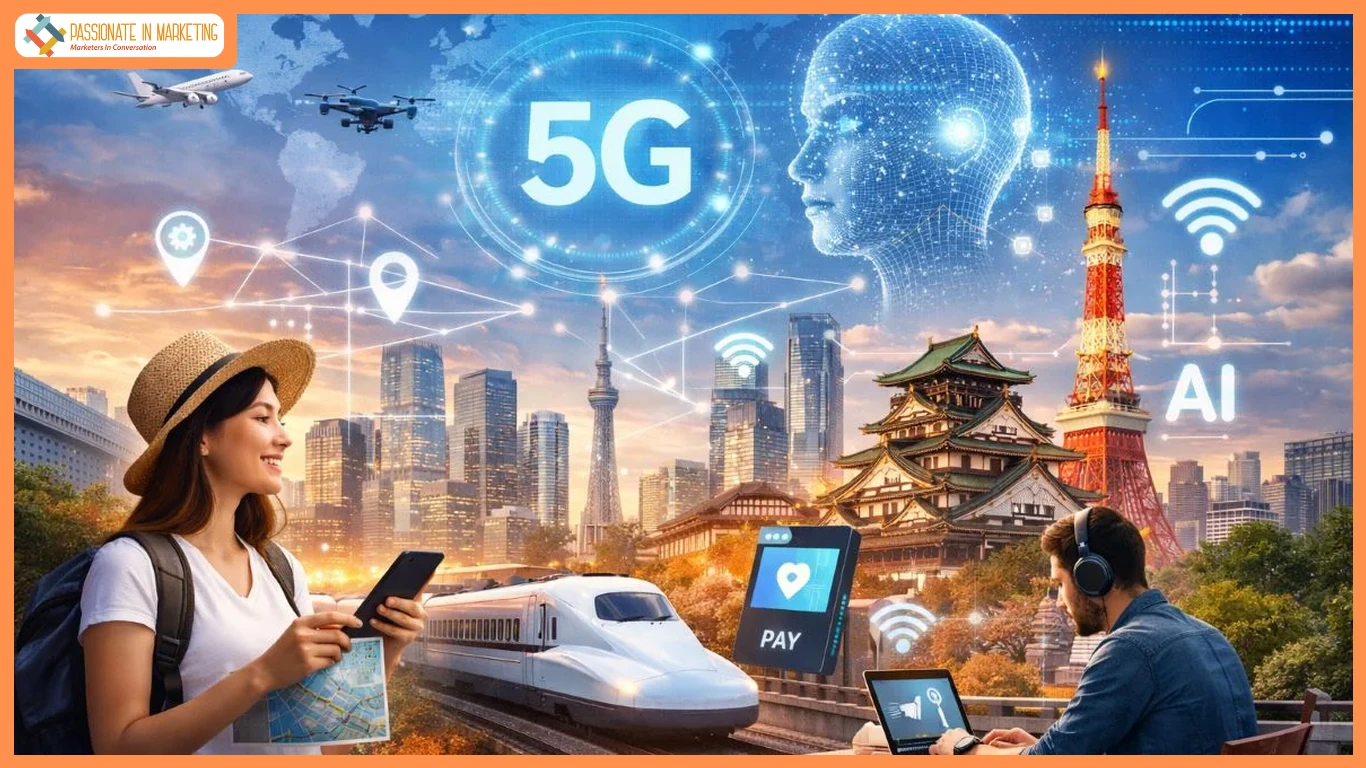
The modern travel experience begins on a smartphone screen. As mobile internet infrastructure expands globally, travellers increasingly expect seamless connectivity from boarding to arrival. This shift represents more than convenience—it reflects a fundamental change in how people navigate, communicate, and experience destinations worldwide.
Digital connectivity trends for travellers reveal a market moving decisively toward mobile-first solutions. Over 80% of travel bookings now involve a mobile device at some point in the process, while real-time applications for navigation, translation, and payments have become essential tools rather than optional conveniences.
How Mobile Internet Has Become Essential for Modern Travel
Mobile internet integration extends far beyond social media updates. Navigation applications have replaced printed maps entirely, requiring continuous data access for real-time transit information and dynamic route adjustments. Accommodation check-ins, ride-sharing services, and mobile boarding passes now assume constant online access.
Financial transactions have undergone equally significant transformation. Mobile payment systems, digital wallets, and currency conversion tools require stable internet connections, making travellers less reliant on physical cash. Communication patterns have shifted from voice calls to data-intensive messaging applications and video platforms, particularly for business travellers using cloud-based collaboration tools.
The Rise of Smartphone-First Travel Experiences
Mobile internet trends point toward smartphones becoming the central hub for entire travel experiences. Travel planning now occurs predominantly on mobile devices, with search behaviour shifting toward last-minute bookings and real-time availability checks.
This smartphone-centric approach extends throughout journeys. Digital boarding passes, mobile check-ins, and contactless verification systems have reduced reliance on printed documents. Museums and attractions now offer mobile-based audio guides and augmented reality features requiring robust data connectivity.
eSIM Adoption and the Shift Away from Physical SIM Cards
The rapid adoption of eSIM technology represents one of the most significant developments in travel connectivity. For travellers unfamiliar with digital SIM technology, resources explaining what is an eSIM and how these embedded profiles function have become essential reading.
eSIM adoption eliminates friction points that previously complicated international connectivity. Physical SIM cards required expensive roaming agreements or time-consuming searches for mobile shops abroad. Digital alternatives allow travellers to research, purchase, and activate connectivity plans before departure, with network access available immediately upon landing.
The technology offers practical advantages beyond convenience. Travellers can keep home phone numbers active while simultaneously using separate data plans optimized for destinations. This dual-SIM functionality addresses genuine problems for business travellers and digital professionals avoiding prohibitive roaming charges.
Regional and multi-country eSIM plans have proven particularly valuable. Rather than purchasing separate connectivity solutions for each destination, travellers can activate regional plans covering entire continents, reducing complexity and lowering costs.
The shift away from physical SIM cards reflects broader digitization trends across travel services. Just as boarding passes and hotel reservations moved from paper to digital formats, connectivity solutions follow the same trajectory toward instantly-managed services requiring no physical infrastructure.
How Travellers Compare Digital Connectivity Solutions
As the eSIM market has matured, travellers have gained access to numerous providers offering varying coverage options, pricing structures, and features. Different providers emphasize different value propositions—some focus on premium network partnerships and maximum speed, while others compete on price or specialized features.
The decision-making process involves examining factors beyond price. Network speed matters for business travellers relying on video conferencing, while leisure travellers might prioritize data volume or coverage in remote areas. Travellers frequently consult detailed provider analyses, such as easySIM vs Holafly comparison reviews, to evaluate how specific services differ in network quality and regional coverage before committing to connectivity solutions.
Marketing and Technology Implications of Global Connectivity
Universal mobile connectivity expectations have created both opportunities and challenges for travel businesses. Companies must now assume customers will interact with services primarily through mobile devices while moving between locations and switching networks.
Marketing strategies have adapted accordingly. Location-based targeting, real-time offers, and mobile-optimized content have become standard practices. Travel brands increasingly deliver personalized recommendations based on current location and real-time context—capabilities depending entirely on constant connectivity.
Data analytics capabilities have expanded dramatically as connectivity enables continuous tracking of traveller behaviour. However, this data collection raises privacy considerations that travellers and regulators increasingly scrutinize.
What the Future of Travel Connectivity Looks Like
Mobile internet trends point toward even greater integration and higher expectations. 5G network expansion continues globally, extending beyond urban centers. Increased bandwidth and lower latency will enable applications currently impractical—including high-quality video streaming, augmented reality navigation, and real-time language translation.
Satellite-based internet services are beginning to supplement terrestrial networks, potentially solving connectivity challenges in remote destinations. Artificial intelligence integration may further personalize travel experiences, automatically adjusting data plans based on usage patterns or suggesting optimal connectivity solutions for upcoming itineraries.
Conclusion
Digital connectivity has evolved from convenience to fundamental requirement shaping every aspect of modern travel. The combination of expanding mobile internet infrastructure, smartphone-centric service design, and emerging technologies like eSIM has created an ecosystem where seamless global connectivity is expected.
For travellers, this means greater independence and access to real-time information regardless of location. For businesses, it demands mobile-first strategies and sophisticated technical infrastructure. As network technologies continue advancing, digital connectivity trends for travellers represent a fundamental restructuring of how people experience the world and interact with destinations.
**’The opinions expressed in the article are solely the author’s and don’t reflect the opinions or beliefs of the portal’**

