


Introduction
What if the cooking oil used in everyday meals plays a bigger role in long-term health than most consumers realize?
In Kerala, this question is becoming increasingly relevant. Consumers are no longer choosing cooking oil out of habit—they are becoming more conscious, informed, and selective.
To understand this shift, MaxEd conducted a consumer behaviour study across key cities, including Ernakulam, Kozhikode, Malappuram, Thrissur, and Trivandrum. The study explores how purchase decisions are evolving and what factors are driving change in the category.
The Core Challenge: Health Intent vs Habit
Despite a growing focus on health, the cooking oil market in Kerala presents a unique challenge:
- Consumers are highly health-conscious
- However, they lack awareness of oil processing methods
- And remain strongly loyal to existing brands
This creates a gap between consumer intent (health focus) and actual purchase behaviour (habit and familiarity).
The Rise of Health-First Decision Making
In Kerala households, cooking oil is no longer viewed as just a basic kitchen essential; it is increasingly seen as a key factor influencing long-term health, reflecting a shift in consumer perception where food choices are linked to lifestyle and well-being.
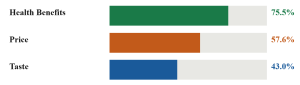
Health has emerged as the dominant factor influencing purchase decisions, significantly outweighing traditional considerations like price and taste.
This indicates a clear shift in consumer mindset. People are no longer choosing oils based solely on cost or familiarity. Instead, they are actively seeking products that align with their health goals.
Where Consumers Shop—and Why They Stay Loyal
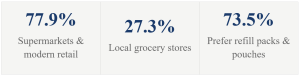
Most consumers prefer purchasing from modern retail formats such as supermarkets and hypermarkets. This reflects increasing retail centralization and trust in organized outlets.
At the same time, there is strong brand loyalty:
- A majority of consumers stick to the same brand.
- This leads to strong customer retention, but also acts as a barrier to entry for new brands.
In terms of consumption:
- Refill packs are preferred due to cost efficiency and convenience
The Hexane-Free Knowledge Gap vs. Premium Potential
A key insight from the study is the presence of a significant awareness gap regarding oil processing methods.
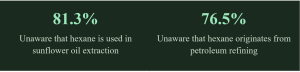
For most consumers, oil selection is based on brand, packaging, or perceived health benefits, not on processing methods.
However, once this information is introduced, there is a noticeable shift in consumer intent.
- Consumers show a high willingness to switch
- Many are open to paying a premium for safer alternatives
Blended Oils: The Awareness Challenge
Despite sustained industry efforts, blended and multi-source oils continue to exhibit low consumer awareness and limited adoption in Kerala.

The majority of consumers are unfamiliar with the concept, indicating weak market penetration.
Even among aware consumers:
- Adoption depends on taste and quality assurance
- There is hesitation due to perceived risk and uncertainty
Conclusion: Education as the Ultimate Differentiator
The Kerala cooking oil market reflects a clear gap between consumer intent and actual behaviour. While consumers are increasingly health-conscious and willing to pay a premium for safer options, limited awareness and strong brand loyalty continue to restrict switching. This highlights that awareness, not affordability, is the key barrier in the category.
To unlock this opportunity, brands must move beyond price-led strategies and focus on education-driven engagement. By simplifying complex information into clear health benefits and strengthening in-store visibility, brands can build trust, influence decisions, and capture the growing health-driven premium segment.
Ultimately, brands that can educate, simplify, and build trust will lead the next phase of growth in Kerala’s cooking oil market.

