


JAIN (Deemed-to-be University), Kochi initiative finds all sampled locations failing microbiological safety standards for two consecutive months; calls for urgent intervention and sustained monitoring.
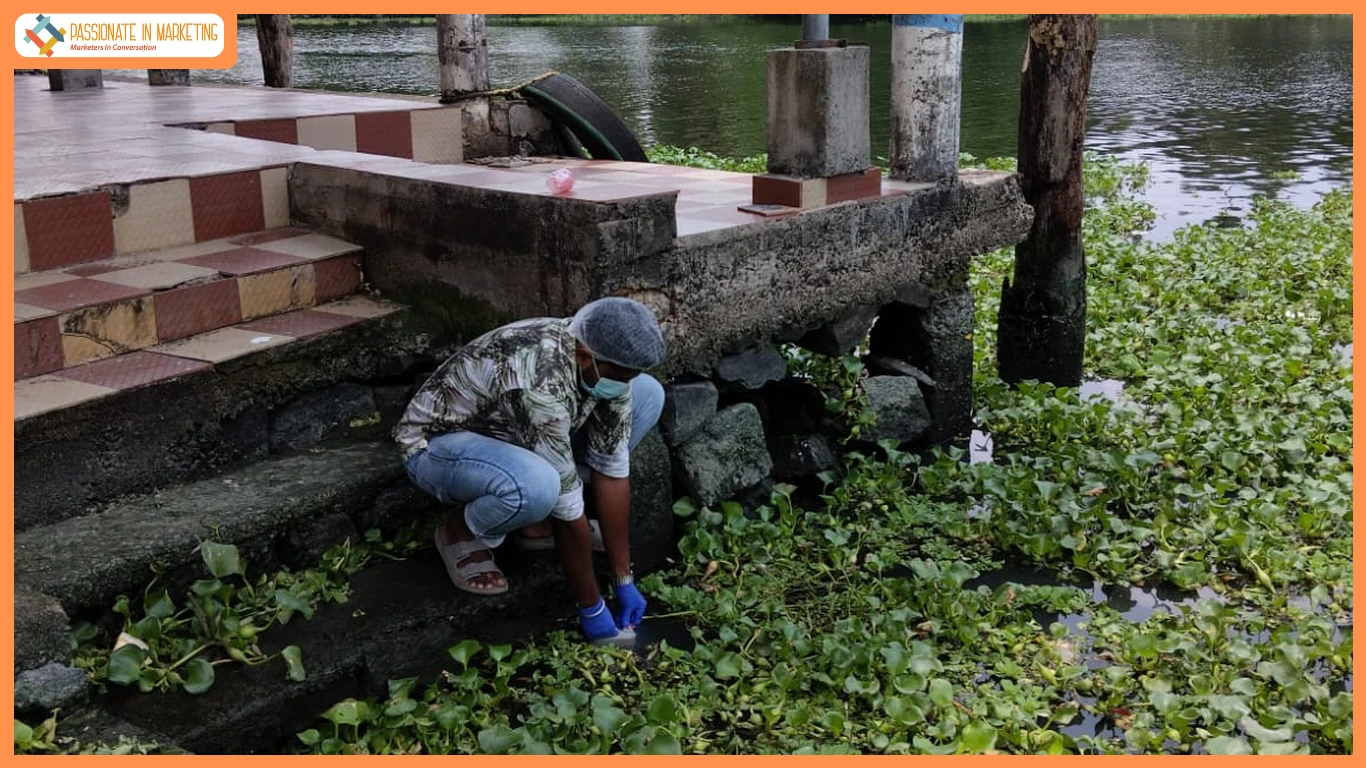
Kochi: A comprehensive water quality monitoring project undertaken by the Future Kerala Mission (FKM), an initiative of JAIN (Deemed-to-be University), Kochi, has revealed alarming levels of contamination across Kochi’s major waterbodies, raising serious concerns over public health and environmental safety.
The findings, based on water samples collected during May and June 2026, show that all six monitored locations failed microbiological safety standards in both months. Every sample tested positive for E. coli, a key indicator of faecal contamination that is associated with gastrointestinal illnesses, suggesting the continuous discharge of untreated human or animal waste into the city’s waterbodies. In addition, Streptococci, bacteria capable of causing serious infections including blood sepsis, were detected at the Thuthiyoor Vettu Veli Ferry location.
The report also highlights significant deterioration in the physical and chemical quality of the water. Kakkanad Ferry Terminal recorded a turbidity level of 9.2 NTU, nearly ten times the desirable limit, indicating heavy suspended particulate matter. At Pokkali Park near Chilvannur Bund Road, Total Dissolved Solids (TDS) reached an alarming 10,316 mg/L in May and remained critically high at 3,068 mg/L in June. Chloride concentration at the same location was measured at 1,277.62 mg/L, far exceeding permissible limits, making the water unsuitable for recreational or domestic use.
The project is led by Dr. Abhijith Muralidharan, Assistant Professor at the Centre of Research in Marine Science (CRMS), JAIN University Kochi, and aims to establish a transparent, science-based water quality monitoring framework that combines laboratory testing with GIS-based mapping and public access to environmental data.
Commenting on the findings, Dr. Muralidharan said that the results underscore the urgent need for a systematic, city-wide strategy to address untreated wastewater discharge, urban runoff, and other sources of pollution affecting Kochi’s waterbodies.
The study uses the Central Pollution Control Board (CPCB) criteria for outdoor bathing water quality as its benchmark. Water samples were collected from six strategically selected locations across Kochi: Kakkanad Ferry Terminal, Aarattukadavu Walkway, Chambakkara Canal Viewpoint, Thuthiyoor Vettuveli Ferry, Vytilla Water Metro, and Pokkali Park on Chilavannur Bund Road. All laboratory analyses were conducted at a National Accreditation Board for Testing and Calibration Laboratories (NABL) accredited laboratory to ensure scientific accuracy and reliability.
Prof. Venu Rajamony, Chairperson of the Future Kerala Mission, described the findings as deeply concerning. “The findings are a matter of serious concern. They require urgent action by all concerned authorities. Future Kerala Mission will continue to provide regular updates on the health of Kochi’s waterbodies to raise public awareness and alert the authorities to emerging environmental concerns,” he said.
Dr. Tom Joseph, Director – New Initiatives, JAIN (Deemed-to-be University), Kochi, and Chief Facilitator of the Future Kerala Mission, said the initiative goes beyond merely identifying environmental issues and is focused on developing scientific, evidence-based solutions to address them. “Our objective is not just to highlight the problems affecting Kochi’s waterbodies, but to identify scientific and practical solutions to these environmental challenges. This initiative demonstrates how academic research can be effectively translated into real-world interventions that benefit society at the grassroots level. We hope that the findings and recommendations emerging from this project will complement the efforts of government institutions and policymakers in ensuring the sustainable development of Kochi,” he said.
The Future Kerala Mission plans to publish periodic water quality assessments as part of its long-term effort to promote evidence-based environmental governance, strengthen public awareness and encourage timely policy interventions for the protection and restoration of Kochi’s fragile urban water ecosystems.

