


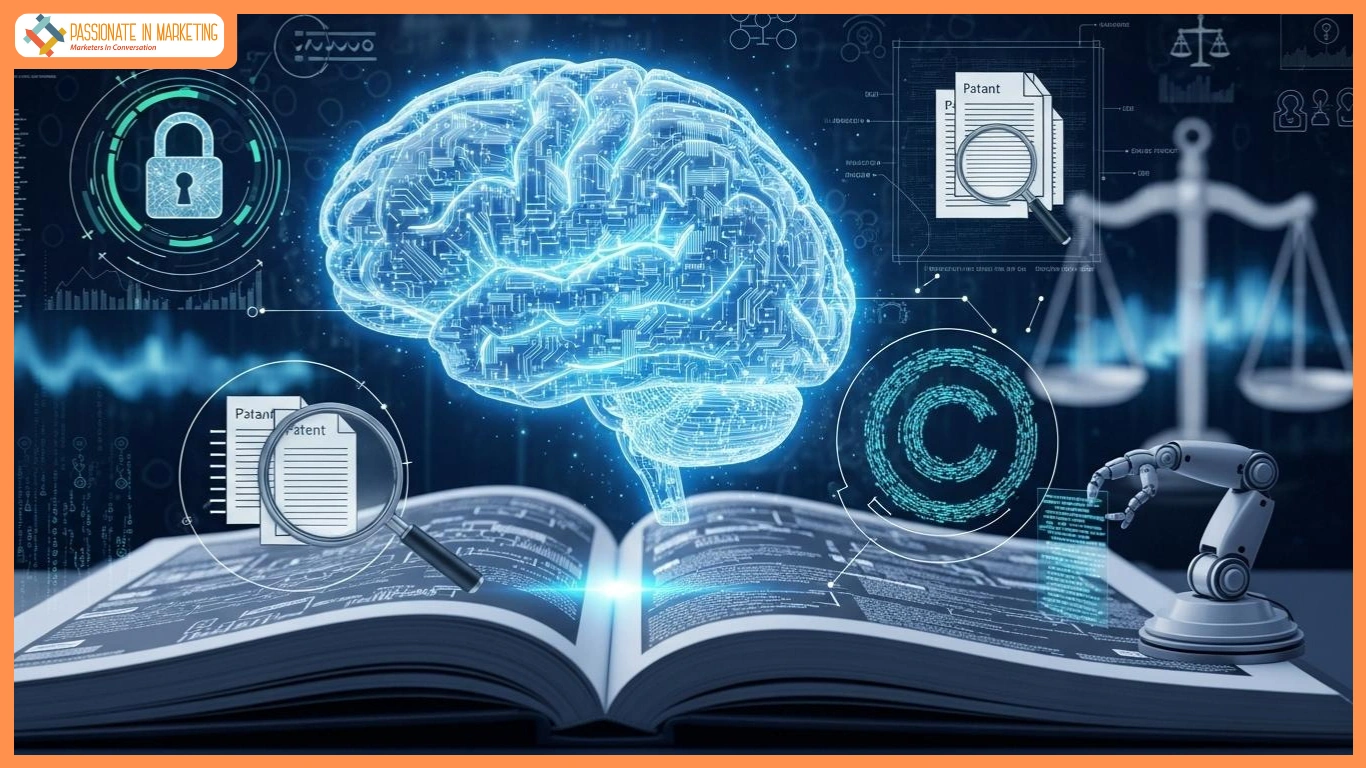
Contracts form the backbone of every business relationship. They define obligations, protect rights, and set expectations. Yet a large percentage of business disputes arise from issues hidden inside contracts. These issues could be vague language, missing clauses, compliance gaps, or financial exposures that teams often overlook due to tight deadlines or contract complexity. This is where the rise of AI legal tools has significantly changed how organizations handle risk. Instead of relying solely on manual review, legal teams now use AI for legal tasks to identify problems before the contract is signed.
Artificial intelligence is no longer a futuristic concept in law. Modern AI legal tools are capable of analyzing dense legal text and pinpointing risks at a scale and speed that humans alone cannot match. These tools combine natural language processing, machine learning, and legal domain knowledge to highlight inconsistencies, recommend edits, and ensure the contract aligns with both internal policies and external regulations. By using AI for legal review, companies gain a smarter and more reliable way to prevent contract-related conflicts.
This article explores in depth how AI legal tools reduce contract risks before signing, why they are becoming an essential part of legal workflows, and what benefits they provide to organizations seeking more secure and efficient contracting processes.
Understanding Contract Risks and Why They Occur
Every contract carries inherent risks. Some risks are obvious, while others hide within complex language. Traditional review methods rely heavily on human reviewers who may be overworked or lack time to thoroughly evaluate each clause. Even the most experienced lawyers can miss details when reviewing lengthy agreements under tight timelines.
Common contract risks include:
- Ambiguous or unclear language that leads to different interpretations
- Missing standard clauses such as indemnity, confidentiality, liability limits, or termination rights
- Excessively broad obligations or unbalanced terms that favor one party
- Regulatory or compliance violations
- Financial exposure from poorly defined payment terms
- Conflicts between contract language and company policies
- Version errors caused by manual editing or multiple contributors
How AI Legal Tools Analyze Contracts
Modern AI legal tools scan, interpret, and evaluate contract text with remarkable precision. Unlike basic keyword scanners, these advanced systems understand context and structure. Here is how they work:
Reading and Understanding Legal Text
Using natural language processing, AI legal systems break down clauses and interpret their meaning. They can differentiate between obligations, rights, deadlines, conditions, and exceptions within the contract. This makes them proficient at spotting problematic language that could confuse later.
Risk Detection and Classification
AI for legal risk analysis compares contract clauses against trained datasets, past agreements, industry standards, and company policy libraries. It can recognize risk categories such as financial, operational, regulatory, confidentiality, and reputational risks.
Clause Comparison and Benchmarking
AI legal tools identify whether a clause is missing or weaker compared to standard templates. Suppose a contract draft does not include a termination for convenience clause. The tool highlights this as a potential risk and suggests adding it.
Key Ways AI Legal Tools Reduce Contract Risk Before Signing
1. Eliminating Ambiguity and Unclear Language
Ambiguity is one of the biggest sources of contract disputes. Vague words like reasonable, timely, and acceptable leave room for interpretation.
2. Identifying Missing Clauses
Some of the most severe contract risks arise when essential clauses are missing. These could be limitations of liability, confidentiality, dispute resolution, or intellectual property rights.
3. Ensuring Regulatory Compliance
Regulations constantly change, and it is difficult for legal teams to manually track every requirement. AI for legal compliance checks clauses against updated legal standards.
4. Highlighting Unbalanced Terms
Contracts often become one-sided due to aggressive negotiation or a lack of attention to fairness. AI legal tools compare each clause with industry norms and flag terms that expose one party to excessive risk.
5. Improving Accuracy through Data-Driven Insights
Humans rely on experience, while AI relies on data. AI for legal review uses millions of past contracts to identify patterns and risks that may not be obvious.
Practical Examples of AI Reducing Contract Risk
Example 1: Identifying Hidden Financial Exposure
A software company was about to sign a services agreement. The AI legal tool discovered a clause allowing the client to request additional features at no additional cost. This would have created major financial losses. The company revised the clause and avoided unexpected expenses.
Example 2: Ensuring Data Privacy Compliance
In a contract involving customer data, an AI legal system flagged outdated data protection language. It recommended updated clauses aligned with current regulations. This ensured the company remained compliant and avoided potential legal action.
Example 3: Fixing an Imbalanced Liability Clause
In a vendor agreement, the draft stated that the company was responsible for all damages, even if the vendor caused the issue. The AI tool flagged the clause and suggested fair liability distribution. This prevented an extremely risky obligation.
The Future of Contract Risk Management with AI
The future of contracting will be intelligent, automated, and highly accurate. AI will not replace lawyers but will support them so they can focus on judgment-based tasks. Predictive analytics will soon allow AI systems to estimate the likelihood of disputes, negotiation timelines, and financial risk even before a deal is signed.
Conclusion
Contract risk is unavoidable but manageable. AI legal tools offer a powerful way for organizations to review contracts faster, more accurately, and more consistently. They detect weak clauses, ambiguous language, compliance issues, and financial risks long before they become legal disputes. Using AI for legal workflows not only minimizes exposure but also empowers legal teams to make smarter, data-driven decisions.
Businesses that embrace AI legal solutions gain better protection, stronger contracts, and a competitive advantage. In a world where every contract matters, leveraging intelligent technology is no longer optional. It is the smartest way to reduce risk before signing and ensure long-term success.
**’The opinions expressed in the article are solely the author’s and don’t reflect the opinions or beliefs of the portal’**

