

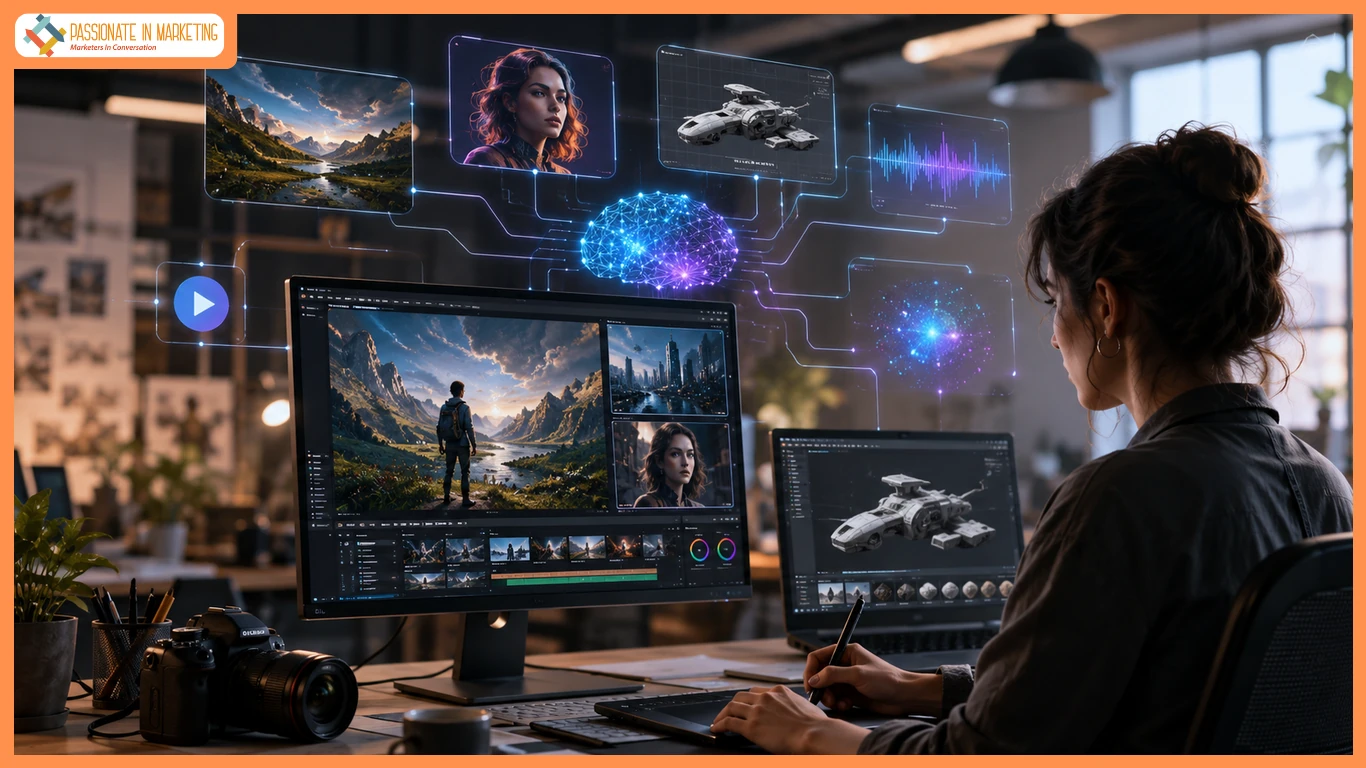
Artificial intelligence has transformed image creation and editing, making it faster and more accessible. Modern AI platforms now offer a range of image generation and editing tools in one place, helping users create visual content more efficiently and choose the best solution for each project.
The Growing Need for Flexible Image Creation
Visual content needs vary across industries, from marketing graphics and product images to creative design projects. AI-powered workflows simplify these tasks by combining image creation, editing, and refinement into a faster, more efficient process, saving both time and effort.
Platforms such as Image 2 reflect this trend by bringing together multiple AI image workflows that support different types of creative tasks. Rather than viewing AI image generation as a single-step process, these platforms encourage a workflow-based approach that can include generation, editing, enhancement, and reference-guided refinement.
Text-to-Image Generation for Rapid Ideation
Text-to-image generation allows users to create images from text descriptions. It helps marketers, designers, and content creators quickly produce visuals, experiment with ideas, and speed up the creative process.
Image-to-Image Editing and Refinement
AI image-to-image tools let users edit existing images while preserving key elements. They are commonly used for background changes, color adjustments, style transformations, and quality improvements, helping creators save time and work more efficiently.
Reference-Based Creative Development
Reference image-based generation uses existing images to guide the style and appearance of new content. It helps brands maintain visual consistency and supports product visualization, concept design, and content creation with a cohesive look.
Supporting Ecommerce and Product Visualization
Ecommerce companies use AI tools to create product concepts, generate backgrounds, and produce marketing visuals for websites, ads, and social media. These tools help teams test ideas quickly and improve content creation. For commercial use, businesses should ensure compliance with platform terms and licensing requirements.
Marketing Creatives and Social Media Content
Marketing teams often face tight deadlines and need a steady stream of content. AI image tools help create graphics, social media posts, ads, presentations, and thumbnails quickly. They act as creative assistants, helping teams generate ideas, test concepts, and refine content while maintaining creative control.
Choosing the Right Workflow for the Task
As AI image technology continues to evolve, many platforms now offer multiple models and creative tools, allowing users to choose the solutions that best fit their project requirements.
For instance we have the Nano Banana 2 AI image generator which is used for certain image generation tasks and also there are workflows which look at GPT Images 2.0, Seedream 5 Lite and other supported visual generation options. Which to use is mostly a function of what you are trying to achieve in terms of image style, what kind of editing you want to do, your creative goals and what you are looking to put out as a final product.
Instead of using the same model for all situations many creative professionals look at what different workflows best suit each project’s goals and production needs.
The Future of Integrated AI Image Workflows
In the future, AI creativity will focus on integrated workflows that combine image generation, editing, and refinement in one platform. These tools will help teams create content more efficiently while maintaining quality and creative control.
**’The opinions expressed in the article are solely the author’s and don’t reflect the opinions or beliefs of the portal’**

