


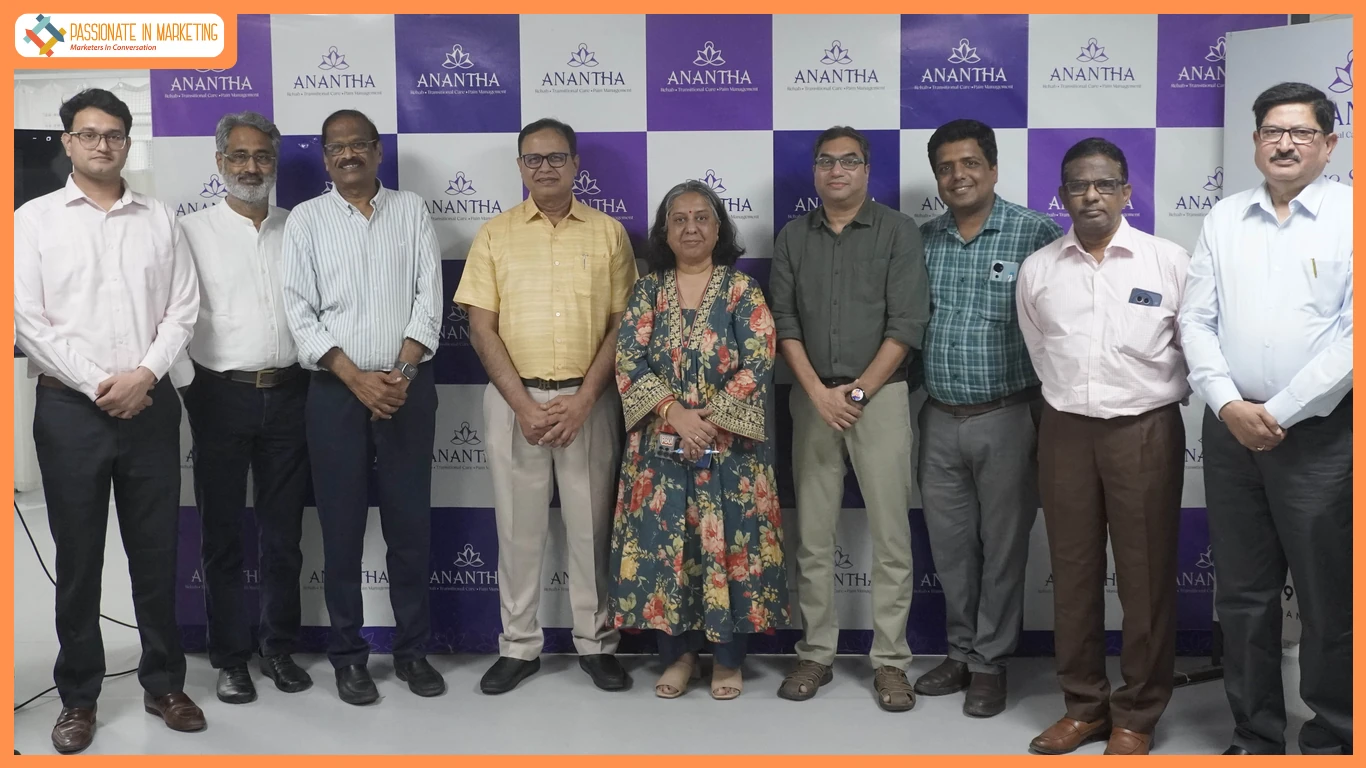
Hyderabad, July 24th, 2026: The Hyderabad Chapter of International Trauma Care (ITC) was launched in a special function held at Anantha Rehabilitation Centre, Begumpet, on Wednesday night.
Dr. Manas Panigrahi, Senior Neurosurgeon, KIMS Hospitals, assumed charge as President, while Dr. Ashima Sharma, Senior Professor of Emergency Medicine, NIMS, took over as Secretary.
Founded in 1988 by Dr. Martin Issac, ITC is a multidisciplinary professional body dedicated to reducing deaths and disabilities caused by trauma. Through its internationally recognised Comprehensive Trauma Life Support (CTLS) programme, ITC promotes prevention, emergency response, treatment and rehabilitation.
The Hyderabad Chapter will conduct CTLS training, Continuing Medical Education (CME) programmes and awareness campaigns involving schools, colleges, police and other stakeholders across Telangana.
India loses nearly 1.68 lakh people every year in road accidents—about 19 deaths every hour. Experts stressed that trauma care must go beyond post-crash treatment and focus equally on the three Es—Engineering, Enforcement and Education.
Telangana ranks ninth in the country in road accident fatalities, recording nearly 25,000 accidents and 8,000 deaths annually, with youth accounting for a majority of the victims. They also noted that road accident fatalities have increased from about 30% to 35%, making the need for timely trauma care even more critical.
The speakers emphasized the importance of the Golden Hour, stating that prompt access to specialised trauma care can dramatically improve survival.
Speaking on the occasion, Dr. Manas Panigrahi highlighted the increasing number of severe head injuries and preventable deaths caused by delays in reaching appropriate medical care.
Dr. Ashima Sharma said trauma awareness and first-response education should reach every section of society so that citizens can respond effectively during emergencies.
Dr. Chandrasekhar, Secretary, National ITC and former Professor of Anaesthesiology, Osmania General Hospital, said ITC would work proactively to strengthen Telangana’s trauma care ecosystem.
ITC’s Vision for Telangana
ITC believes trauma care should not remain confined to hospitals or medical professionals. It plans to establish District Trauma Skill Centres across Telangana to train doctors, nurses, paramedics, police personnel, firefighters, teachers, students and community volunteers in life-saving trauma care.
The organization also proposes Integrated Trauma Care Centres bringing together prevention, emergency response, treatment, rehabilitation, education and research under one coordinated framework.
ITC has called for Trauma Care to be recognised as an Essential Competency for healthcare professionals and frontline personnel, while also promoting basic trauma response training for every citizen.
The organisation aims to work with the Government of Telangana and healthcare institutions to make Telangana a national model in trauma care, emergency response, training and community participation.
Doctors expressed concern over the increasing use of mobile phones while driving and walking, describing distracted behaviour as a major contributor to road accidents.
They observed that even when traffic signals turn green, motorists in India often hesitate to move because of the fear of vehicles jumping red lights—a stark contrast to many Western countries where strict adherence to traffic rules ensures safer roads.
Experts also remarked that road users today need to do more than look left and right—they must also look up, referring to incidents of vehicles falling from flyovers, including those reported in Hyderabad.
“Trauma can strike anyone, anywhere and at any time. Trauma care must not remain the subject of medical professionals alone—it must become everybody’s subject,” they said, urging widespread public training in basic trauma response.

