


New Delhi, 17 October 2025: In a remarkable feat of medical precision and teamwork, doctors at Indraprastha Apollo Hospital, New Delhi, have performed a life-saving robotic-assisted surgery on a 60-year-old woman who suffered cardiac arrest due to a massive diaphragmatic hernia, a condition so severe that her stomach, spleen, and intestines had shifted into her chest, crushing her heart and lungs.
The patient was initially rushed to Apollo Hospital, Noida, where she collapsed and had to be revived twice before being transferred to Indraprastha Apollo Hospital for definitive management.
Investigations revealed a shocking picture. Her abdominal organs had migrated into the chest cavity, compressing vital structures and leaving almost no space for the heart to function properly. Temporary decompression of the stomach gave only brief relief. To gradually create operating space inside the abdomen, doctors innovatively used Botox injections to relax the abdominal wall muscles before surgery, a rare and ingenious step that paved the way for the life-saving procedure.
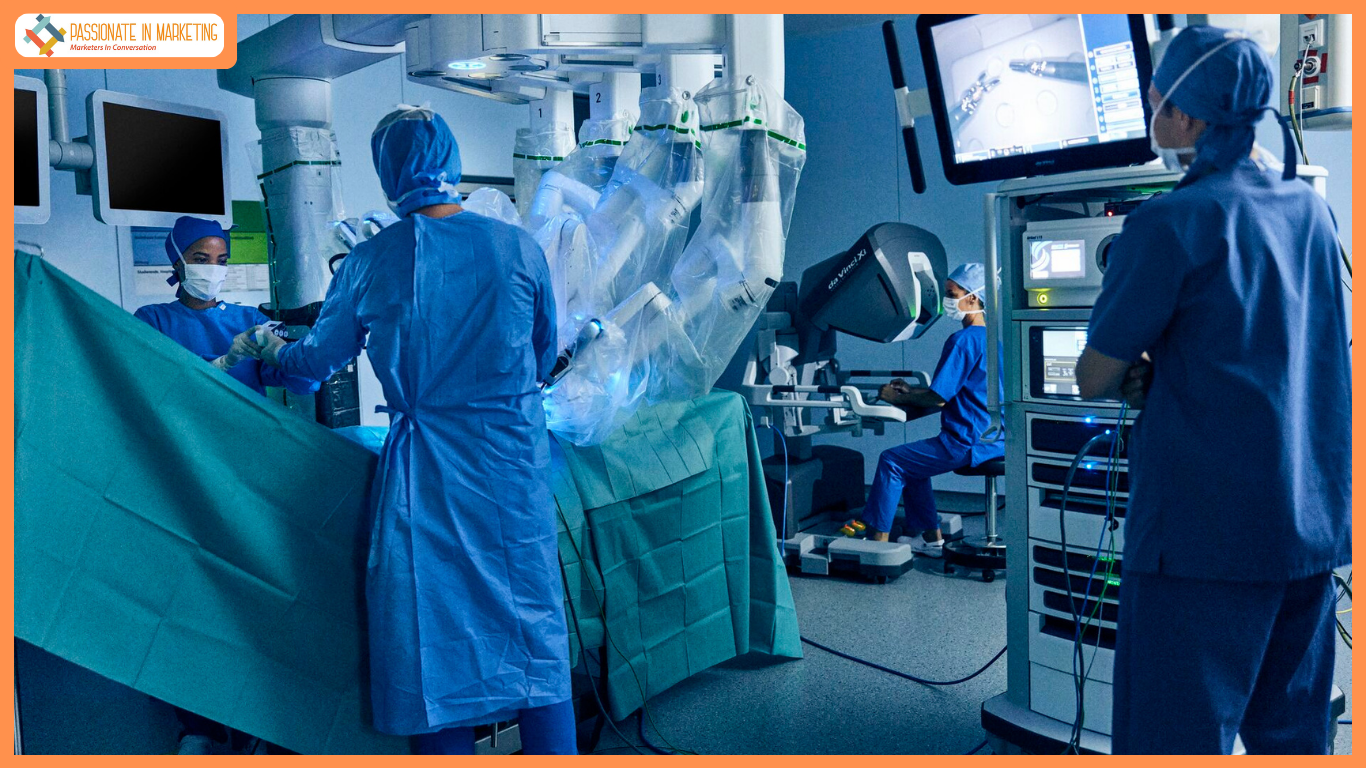
After three weeks of stabilization and meticulous preparation, a multidisciplinary team led by Dr. Arun Prasad, Senior Consultant, Robotic and Bariatric Surgery, performed a complex robotic repair using the da Vinci surgical system. The herniated organs were carefully repositioned to their normal locations, and the large diaphragmatic defect was reconstructed with a biodegradable mesh.
“The challenge was extraordinary. The patient had already suffered a cardiac arrest, and her vital organs were severely displaced. We needed to not only bring her back to life but also perform a high-precision surgery that could have otherwise been fatal,” said Dr. Arun Prasad. “The da Vinci robotic system’s precision, 3D vision, and delicate control, combined with our multidisciplinary team’s expertise, made this recovery possible.”
Astonishingly, the patient recovered within just three days of the operation, walking independently and breathing normally — a turnaround that doctors describe as “nothing short of miraculous.”
“This case exemplifies how robotic surgery is transforming critical care, offering patients new hope in even the most complex, life-threatening situations,” added Dr. Prasad. “With advanced robotic platforms, we can now perform delicate reconstructions with unmatched accuracy and safety.”
The case also underscores the growing leadership of Indian healthcare in the field of advanced robotic surgery. Indraprastha Apollo Hospital continues to pioneer complex robotic procedures that push the boundaries of modern medicine, reaffirming India’s position on the global surgical map.

