


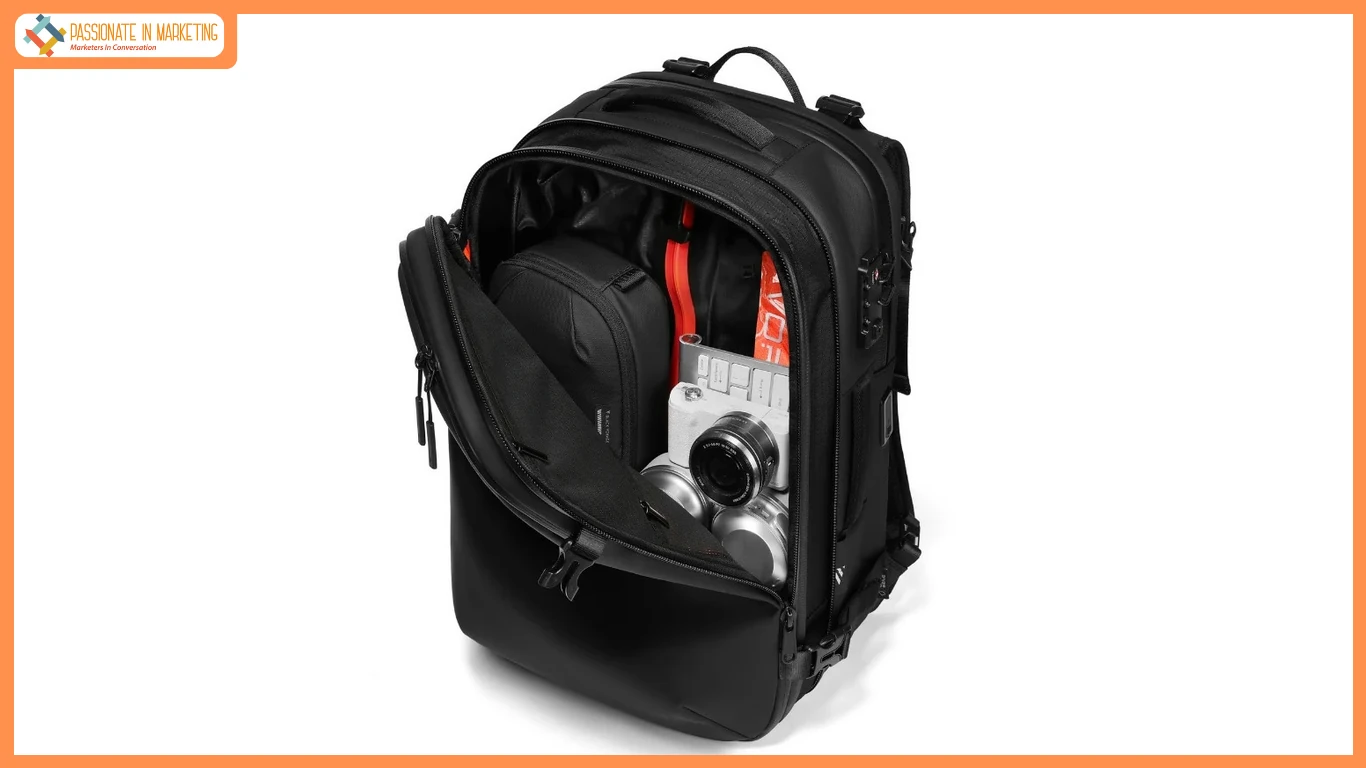
Travel is no longer just about destinations; it’s about experiences and the products that enhance them. In recent years the global travel industry has seen rapid evolution. As airlines introduce stricter baggage policies and consumers seek value for money, innovative products such as vacuum-seal travel backpacks have become a talking point in marketing circles. They combine technology with practicality, offering an insight into how brands can meet modern travelers’ expectations.
The travel accessory market has benefited from the post-pandemic surge in leisure and “bleisure” trips. Consumers are taking more frequent but shorter trips and need gear that is both versatile and compact. Traditional backpacks, while durable, don’t always make the best use of space. That’s where vacuum-seal backpacks stand out. By removing excess air from packed clothing through integrated pumps or compression valves, travelers can fit more into a carry-on, making the product ideal for both weekend getaways and longer journeys. This feature also aligns with sustainability trends by encouraging travelers to pack smarter and reduce the need for additional luggage. From a marketing standpoint, that eco-friendly angle resonates with younger demographics who prioritize responsible consumption.
Marketing professionals are leveraging data to understand why such products appeal to different segments. Gen Z and millennials, for example, value experiences over possessions but still invest in gear that maximizes those experiences. Influencer campaigns on social platforms have highlighted how compression technology helps maintain organized packing and keeps clothes wrinkle-free during long flights. Meanwhile, travel bloggers emphasize the convenience of carrying everything in one bag, avoiding checked-bag fees and saving time at the airport. These narratives aren’t just product reviews; they create aspirational content that encourages consumers to picture themselves living out of a versatile backpack on a spontaneous adventure.
One brand making waves in this niche is Black Voyage, an emerging travel gear company focusing on functionality and style. Their collection of vacuum-seal backpacks demonstrates how smart design can meet modern travel needs. The bags feature durable materials, thoughtful compartments and an efficient compression system that reduces volume without adding bulk. For travelers looking to streamline their packing, the vacuum backpack for travel serves as a practical example. Beyond the mechanical features, Black Voyage positions its products as part of a lifestyle—sleek designs, neutral tones and marketing that evokes adventure and minimalism. It’s a lesson in branding: combine functional innovation with an emotional appeal to create a product that feels essential rather than optional.
There is also a broader conversation around how brands should communicate these benefits. Transparency about materials and durability builds trust with consumers who research purchases extensively. Highlighting user testimonials and real-world use cases helps humanize the technology and dispel perceptions that vacuum-seal systems are gimmicky. In addition, integrating such products into travel insurance or loyalty programs—for example, offering a discount on a vacuum-seal backpack when customers book a flight through an airline’s app—creates cross-promotion opportunities and deeper engagement.
The rise of vacuum-seal backpacks illustrates the intersection of product design and marketing strategy. When marketers tell a compelling story around a functional innovation, it resonates with a consumer base increasingly focused on efficiency and sustainability. As travel picks up and competition in the accessories market intensifies, brands that innovate thoughtfully and communicate authentically will stand out. Products like Black Voyage’s vacuum-seal backpacks are more than gadgets; they symbolize the future of travel where smart packing and smart marketing go hand in hand.
**’The opinions expressed in the article are solely the author’s and don’t reflect the opinions or beliefs of the portal’**

