


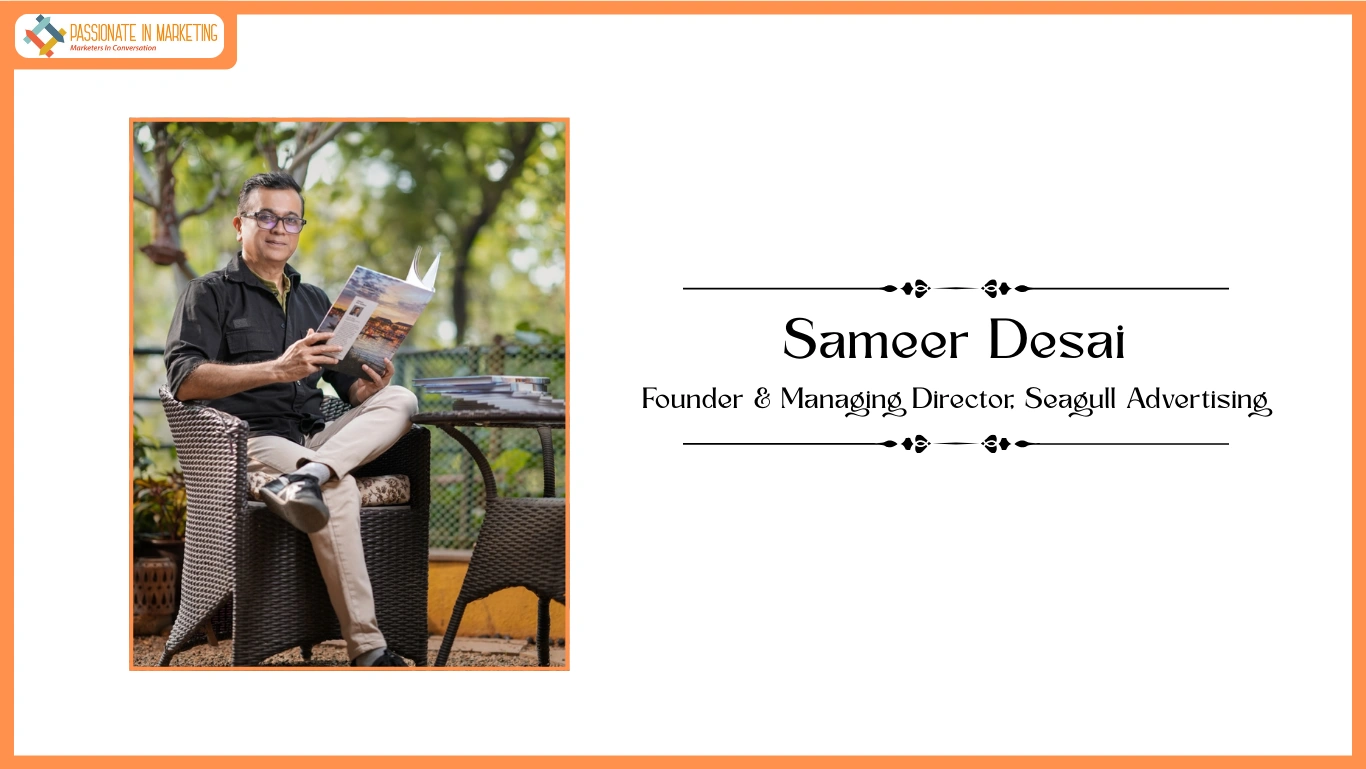
1. Your book suggests that nations function like brands built on memory and behavior rather than campaigns. What inspired you to interpret Vietnam through a branding lens?
I did not travel to Vietnam to write a book. I travelled to pause and unwind.
But somewhere between Hanoi’s quiet discipline and Hoi An’s lantern-lit evenings, I began observing not as a tourist, but as a brand strategist.
For 30 years, I’ve worked with businesses trying to manufacture perception through campaigns. But Vietnam did something different. It did not “promote” itself aggressively. It simply lived its identity, consistently.
The food, the hospitality, the silence at Ho Chi Minh’s mausoleum, the resilience embedded in everyday life, everything felt coherent. That coherence fascinated me.
Brands are built when behavior aligns with the obvious emotional truth. Vietnam felt like a nation where memory, resilience and identity were not marketing narratives. They were lived experiences.
That is when I realized: nations don’t become brands through campaigns. They become brands through memory reinforced by behavior. The book was born from that observation.
2. In today’s attention economy, many brands chase visibility. Why do you believe emotional memory and cultural authenticity matter more than marketing noise?
Visibility creates attention.
Memory creates loyalty.
In the attention economy, brands are obsessed with being seen. But being seen is not the same as being remembered. Emotional memory is built when there is consistency between what you say and how you behave. Cultural authenticity ensures that the story you tell is rooted in truth, not trends.
If your brand shouts loudly but behaves inconsistently, it creates fatigue. If it behaves consistently but communicates calmly, it creates trust. Trust always outlives noise.
That is why I believe brands must shift from chasing impressions to building impressions that last.
3. Vietnam emerges in your book as a living case study in nation branding. What are the key lessons Indian brands and entrepreneurs can learn from Vietnam’s cultural identity?
Three things stood out to me.
First, resilience without victimhood. Vietnam carries painful history, but it does not project bitterness. It projects grace. Brands too must acknowledge their journey without being defined by their struggle.
Second, disciplined coherence. Whether in street food, architecture or civic behaviour, there is alignment. That alignment creates identity. Indian brands often suffer from fragmented marketing, i.e. strategy says one thing, experience delivers another.
Third, quiet confidence. Vietnam does not overstate itself. It lets experience speak. Entrepreneurs today can learn the power of understated strength.
In short: clarity, discipline and dignity. These three elements can elevate any brand.
4. You advocate a shift from marketing-led branding to behaviour-led branding. What does this transition look like in practical terms for modern businesses?
Marketing-led branding asks: “How do we appear?”
Behaviour-led branding asks: “How do we operate?”
Practically, this means three shifts:
- Internal alignment before external amplification. Your team must experience the brand before your audience does.
- Systems before storytelling. Processes must reinforce promises.
- Repetition before reinvention. Consistency builds recall.
In many organizations, marketing departments carry the burden of brand building. But branding is not a department. It is organizational discipline. When pricing behavior, service behavior, hiring behavior and communication behavior align, that is branding.
5. As cities and countries increasingly position themselves as brands, how important is place branding and soft power in shaping long-term economic and cultural influence?
Place branding is not tourism advertising. It is identity architecture.
Soft power is built when culture, policy, commerce and behavior align to project a coherent narrative. Nations that understand this attract not just tourists, but investors, students, entrepreneurs and goodwill. Economic influence follows cultural credibility.
When a country builds emotional equity through cuisine, cinema, diplomacy, design, education, it compounds over decades. We are entering an era where perception drives partnership.
Place branding, therefore, is not optional. It is strategic.
6. Drawing from your Three-Wings Framework — Profit, Design, and Reach — how can businesses balance commercial growth with meaningful brand purpose today?
The mistake businesses make is assuming purpose and profit are opposites. They are not.
In the Three-Wings Framework:
- Wings for Profit (W4P) ensures commercial clarity — understanding the obvious emotional truth that drives revenue.
- Wings for Design (W4D) translates that truth into experience.
- Wings for Reach (W4R) ensures disciplined amplification.
When purpose is disconnected from profit, it becomes activism without structure.
When profit is disconnected from purpose, it becomes a transaction without loyalty.
Growth is sustainable only when commercial ambition is anchored in behavioral integrity.
Purpose without performance is fragile.
Performance without purpose is forgettable.
The real brand flight happens when both wings move together.

