


- How has IGF India’s approach to healthcare in rural communities evolved over the years, and how has education played a role in this transformation?
India’s progress today is visible and rapid in many developed regions, yet a significant part of the population, especially in rural and remote areas, still struggles to access basic healthcare. For many families, reaching a hospital means long travel, financial strain, and delayed treatment, with women often placing their own health last. This gap between development and access remains one of the country’s most pressing challenges.
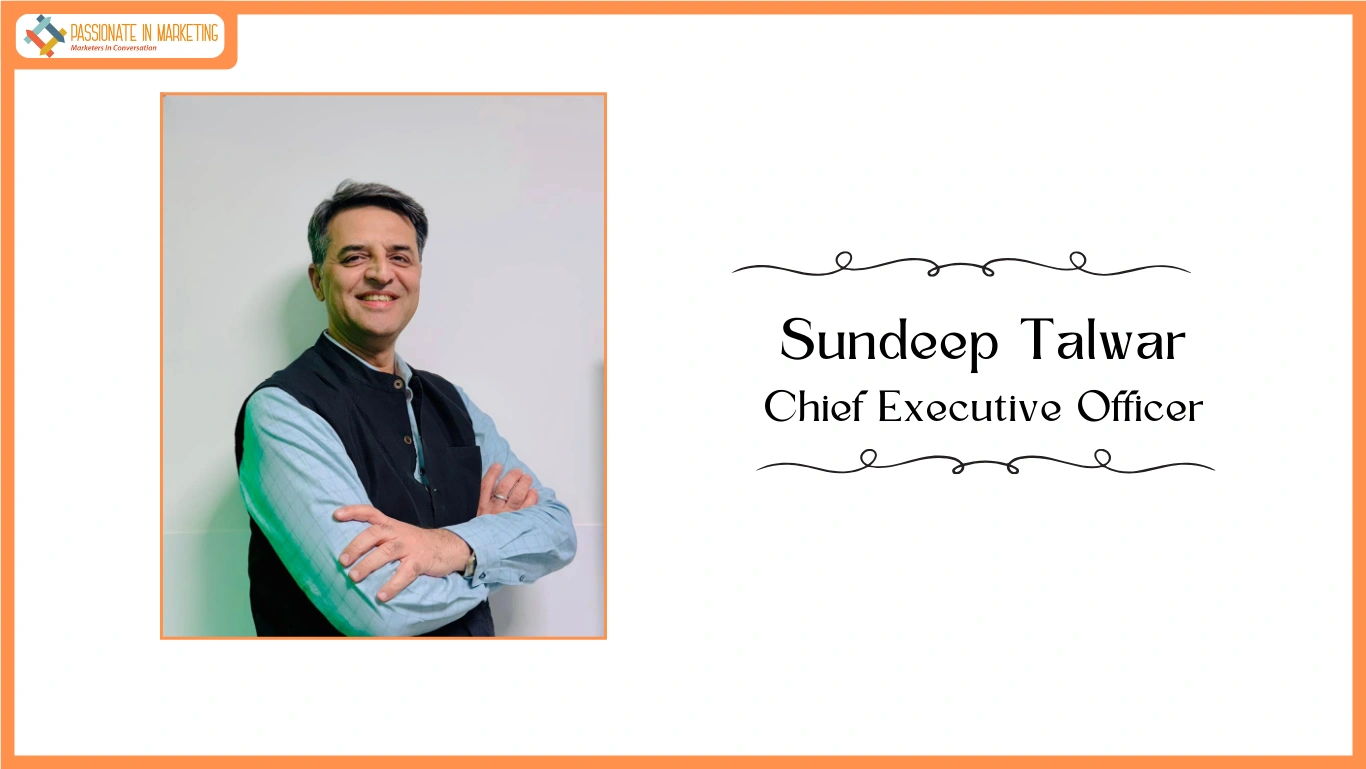
It was this reality that Mr Sandeep Talwar, CEO of IGF India, deeply recognised. While some parts of India moved ahead swiftly, others continued to wait for care to reach them. IGF’s response was guided by a simple belief: if people cannot reach hospitals, healthcare must reach them. This approach naturally aligns with the spirit of Swasth Nari, Sashakt Parivar Abhiyaan, envisioned by our PM, Narendra Modi, which places women’s health at the centre of strong families and resilient communities. IGF had begun working with this ethos much earlier, grounding its interventions in last-mile access and women-centric care.
As IGF’s work in rural healthcare evolved, it became clear that treatment alone could not create lasting change. Education was essential. Strengthening nurses and Anganwadi workers—the backbone of rural healthcare—became a priority. Through partnerships with Microsoft, IGF launched the Thank A Nurse Programme, providing thousands of frontline workers with structured digital learning and continuous telephonic support to guide them whenever needed.
Today, IGF continues to evolve with the changing generation—embracing digital tools, AI-enabled learning, and modern systems—while remaining rooted in empathy. Its mission remains steadfast: to bridge the gap between progress and access, empower women and frontline caregivers, and ensure that India’s growth reaches even the most underserved communities.
- What specific education programs and initiatives has IGF India implemented to empower local communities in rural areas?
IGF India’s education initiatives in rural communities are rooted in the belief that education is not a privilege—it is a lifeline, especially in times of crisis. During the COVID-19 pandemic, IGF recognised that thousands of children were at risk of dropping out of school—not because of lack of ability, but because they had lost parents, family income, or financial stability. In response, IGF launched a scholarship programme aimed at identifying students who had either lost family members during COVID or whose parents had lost their livelihoods. Through this initiative, IGF sponsored their entire education, ensuring that a moment of crisis did not permanently disrupt a child’s future.
Beyond individual support, IGF has worked at the system level to strengthen public education infrastructure. The organisation has actively engaged in re-innovating government schools and Anganwadi centres, improving learning environments and making education more engaging and accessible for young children. Alongside infrastructure support, IGF has also focused on capacity-building of Anganwadi workers, helping them better understand early childhood education, health, and nutrition—recognising their critical role in shaping a child’s formative years.
To bridge learning gaps in underserved areas, IGF India has also implemented digital classroom programmes, bringing technology-enabled education to government schools where access to quality teaching resources is limited. These digital classrooms help students engage with structured content, improve learning outcomes, and build familiarity with digital tools—an essential skill in today’s world.
In addition, IGF runs school-based awareness programmes, including focused sessions on menstrual health and the menstrual cycle, aimed at breaking stigma, improving awareness, and ensuring adolescent girls receive accurate information in a safe and supportive environment. Together, these initiatives reflect IGF India’s holistic approach to education—supporting children in crisis, strengthening public systems, empowering frontline educators, and addressing critical knowledge gaps—so that rural communities are not just educated, but truly empowered.
- How does IGF India integrate preventive healthcare education into its community development programs, and what impact has it had on health outcomes?
IGF India integrates preventive healthcare education into its community development work by engaging communities in ways that are accessible, familiar, and inclusive. One of its key approaches is the use of street plays and Nukka Nataks, which convey messages around hygiene, nutrition, women’s health, and early care-seeking in local languages and relatable formats. These community-led performances help ensure that preventive health messages reach everyone, not just a limited audience.
This model has been implemented pan-India, based on the understanding that prevention must begin at the community level. Alongside awareness efforts, IGF has worked to strengthen local healthcare systems by supporting and transforming Primary Health Centres (PHCs), making them more responsive and trusted within the communities they serve. Education initiatives in schools, menstrual health awareness programmes, and capacity-building of Anganwadi workers and nurses further reinforce preventive practices at the household level.
Looking ahead, IGF India continues to evolve by combining grassroots engagement with technology and AI-driven innovation. By exploring smarter, data-led, and digital solutions alongside traditional outreach, IGF is working to make preventive healthcare more effective, scalable, and sustainable—ensuring healthier outcomes for communities across India.
- What are some of the key skills and knowledge areas that IGF India focuses on to help rural communities become self-sustaining in terms of healthcare and livelihood?
At IGF India, self-sustainability in rural healthcare and livelihoods is built by strengthening local capability, ensuring that essential knowledge, skills, and systems remain within the community long after external support ends.
A core pillar of this approach is the empowerment of Anganwadi and ASHA workers, who serve as the first point of trust and care in rural settings. IGF delivers structured, multi-day capacity-building programmes that deepen their understanding of community health roles, government healthcare policies, and ethical care practices. Equal emphasis is placed on communication skills active listening, empathy, and clear health messaging so frontline workers are equipped not just to deliver services, but to educate, counsel, and build confidence among families.
The training framework spans the full continuum of care. Workers are equipped with practical first-aid and emergency response skills, preventive healthcare and sanitation practices, and effective use of educational and digital tools for health awareness. Special focus is placed on maternal and newborn care, including antenatal and postnatal guidance, safe delivery awareness, breastfeeding support, and family-planning counselling areas that have a direct and lasting impact on intergenerational health outcomes.
Child nutrition and immunisation form another critical knowledge area. Frontline workers are trained to identify malnutrition, support families with locally available nutrition solutions, track child growth, and guide parents through immunisation schedules. At the community level, they are also equipped to recognise and manage both communicable and non-communicable diseases, use basic medical devices correctly, and maintain accurate health records while ensuring confidentiality.
Beyond clinical skills, IGF emphasises patient dignity, satisfaction, and feedback. Training includes home-based care for the elderly and chronically ill, mechanisms for gathering patient feedback, and continuous learning practices ensuring that healthcare delivery remains responsive, respectful, and community-owned.
Complementing human capacity, IGF invests in strengthening physical infrastructure such as Anganwadi centres, schools, and primary health touchpoints. These spaces become long-term hubs for care, learning, and awareness creating systems that function independently of any single project.
Together, this people-plus-systems approach reflects IGF India’s belief that sustainability is not driven by repeated aid, but by capability. When communities are equipped with practical skills, trusted leadership, and enduring infrastructure, they are empowered to safeguard their own health and livelihoods independently, with dignity, and for the long term.
- How does IGF India collaborate with local stakeholders to build long-term resilience in rural communities, and what role does education play in these partnerships?
IGF India builds long-term resilience in rural communities by working with existing local systems rather than around them. The organisation partners closely with government schools, Anganwadi centres, ASHA workers, Panchayati Raj Institutions, and community leaders recognising that sustainable change is strongest when anchored in institutions and individuals the community already trusts.
At the start of any intervention, IGF invests time in relationship-building at the village level. Community elders, Panchayat representatives, school principals, Anganwadi supervisors, and frontline health workers are engaged through consultations to understand local priorities, constraints, and cultural contexts. Programmes are then co-designed with these stakeholders, ensuring relevance and shared ownership from day one. This collaborative approach allows IGF to mobilise communities more effectively whether for health camps, maternal and child care initiatives, scholarships, or livelihood-linked skilling programmes.
Government schools and Anganwadi centres serve as key implementation hubs. IGF works with school leadership and teachers to identify at-risk children, strengthen learning environments, and support student retention. Similarly, Anganwadi centres become focal points for nutrition awareness, early childhood care, and community health education, while ASHA workers act as last-mile connectors supporting outreach, follow-ups, and household-level engagement.
Panchayats play a critical enabling role by facilitating access, coordination, and legitimacy. Their involvement helps align initiatives with government schemes, ensures smoother implementation, and embeds programmes within local governance structures. Community leaders further support mobilisation, trust-building, and feedback ensuring voices from the ground continue to shape programme design and delivery.
Education is the thread that binds these partnerships together. IGF prioritises continuous learning over one-time interventions building the capacity of teachers, health workers, and community volunteers through structured training, mentoring, and hands-on support. This focus on education strengthens problem-solving, leadership, and decision-making at the local level, enabling stakeholders to respond independently to emerging health, education, and livelihood challenges.
Through these sustained partnerships and a strong emphasis on education, IGF helps communities move from dependency to resilience where systems function locally, leadership is strengthened from within, and progress continues long after external support has stepped back.
- Looking forward, how do you envision the future of education-driven healthcare models in rural India, and what steps can be taken to further enhance these initiatives?
Looking ahead, IGF India envisions a future where education-driven healthcare in rural India is preventive, tech-enabled, and community-owned. Healthcare will no longer be limited to treatment after illness, but guided by awareness, early detection, and informed decision-making—driven by education at every level, from frontline workers to families.
This future is already taking shape through digital and AI-led innovations. IGF is leveraging tools such as Digital Health Kiosks for on-the-spot diagnostics and tele-consultation, exploring AI-based health screening solutions that support early risk identification, and using platforms like these to deliver health education even on basic phones. At the same time, nurses and community health workers are being equipped with digital courses and continuous learning, ensuring they are confident users of these technologies rather than passive adopters.
To further strengthen these initiatives, the focus must remain on capacity-building and infrastructure—investing in digital literacy for frontline workers, strengthening PHCs, expanding AI-enabled tools responsibly, and building strong public–private partnerships. When education, innovation, and empathy come together, rural healthcare can shift from dependency to resilience—creating systems that are scalable, sustainable, and ready for the next generation.

