


21 January, 2026: By 2035 how, when and where finance professionals work, as well as the nature of the work itself, will look very different. In a new survey by ACCA (the Association of Chartered Certified Accountants) 47% of India respondents believed that flexible career paths will replace linear paths within the next decade. A further third (35%) expected the two approaches to coexist equally.
Reflecting a strong India perspective within this global trend, 74% of respondents in India said that AI and technology will be essential skills for career growth over the next five to 10 years, with nearly half (49%) highlighting analytical capabilities as a critical focus area. Additionally, 63% of Indian respondents agreed there is a strong need to continuously develop new skills over the next five to 10 years to remain relevant in their careers.
Preparing for this flexible career structure is at the core of suggested actions made in ACCA’s major new report, Career paths reimagined. Around 2,600 ACCA members and future members together with 145 employers took part in the global research which identified the relevant skills sets that finance professionals should nurture for future career success. Focusing on inter-personal, technology and technical skills and developing specialisms feature strongly, as well as having a curious and flexible mindset. Career breaks and ‘micro-retirements’ are likely to increase as professionals work longer.
Explore the global survey findings here, including findings for India here.
Md. Sajid Khan, Director – India, ACCA, said: ‘This report reflects how the finance profession is being redefined worldwide, with flexible, skills-driven career paths becoming the norm. India’s strong focus on AI, analytics, and ongoing upskilling mirrors these global shifts and underlines the readiness of the country’s talent to adapt to change. It is a reminder that long-term career success will depend not just on technical expertise, but also on agility, continuous learning, and the ability to navigate a more fluid workplace.’
ACCA chief executive Helen Brand said: ‘Accountancy is being redefined in ways that are reshaping and expanding the role of the profession. While traditional career paths are giving way to more flexible, individualised routes that are shaped by skills rather than titles, opportunities to grow and thrive have never been greater for those prepared to embrace change.’
‘To be successful, finance professionals must be willing to let go of outdated expectations and embrace a future which will see the rise of hyper-personalised careers featuring more flexibility but less predictability. Taking greater ownership of your career and learning is key – continually developing the right skills is essential to navigating a flexible workplace.’
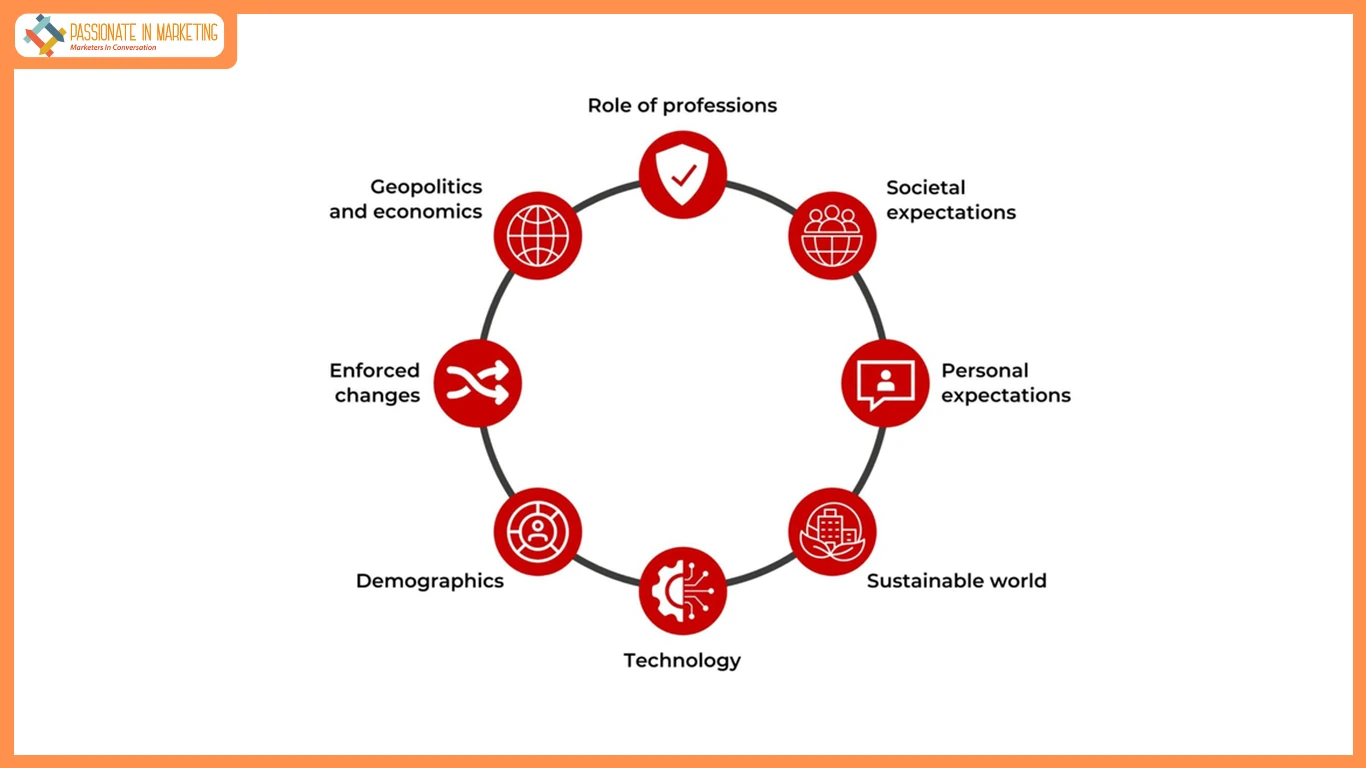
Survey respondents ranked technology as the most significant of eight drivers of change reshaping future career paths and workplaces, with changes in personal expectations of work coming in second place, and other drivers shown in the order below:
- Technology: Emerging technologies, automation, and data analytics dominate future work and how the human augments the machine, including artificial intelligence (AI).
- Geopolitics and economics: Slower growth and global fragmentation challenging personal prosperity.
- Role of professions: Changing from guardians of knowledge to interpreters and trusted advisors.
- Personal expectations: Increased emphasis on the motivators for work – such as work-life balance, purpose and flexibility.
- Enforced changes: Reaction to external changes of increasing compliance and the need for greater ethical oversight.
- Sustainable world: Climate change and other sustainability factors impacting where, when and how we might work, as well as imperatives creating new roles and responsibilities.
- Societal expectations: Evolving views on the role and value of work.
- Demographics: Longer working lives and multi-generational workplaces.
Other factors explaining why flexible career trajectories are likely to dominate include:
- An evolution of organisational structures – removing traditional middle-level roles and replacing them with more specialist roles. Entry points are evolving and are being redefined by new ways of working and a demand for specific skills and experience. Employers should seek to review their traditional career models.
- Advances in technology – reducing or transforming entry-level roles and changing the nature of the roles themselves.
- Demographic changes – lengthening the working life.
- Flattening economic performance – making sideways moves more important for career and financial progression.
- Disenchantment with the impact of more senior or executive roles on work-life balance and the immediate financial and lifestyle needs driving chosen career paths – particularly during economic and geopolitical uncertainty
Report author Clive Webb, head of business management at ACCA said: ‘The report shows that those who appreciate and adapt to the changes will benefit from stimulating and rewarding careers in finance and accountancy. Curiosity and agility will be key features of a successful career as careers will be flexible and dynamic. The career paths of the future hold significant promise for those ready to seize the opportunity. Employers need to adapt to and anticipate changes now to maximise talent, match skills demand and provide a sustainable pipeline of talent for a redefined profession.’

