

A SaaS company once sent a customer an invoice that was nearly 40 percent higher than expected. The problem wasn’t a traditional billing mistake. The usage data feeding the invoice was three days old. The customer had reduced usage mid-cycle, but the billing system hadn’t caught up.
Resolving the dispute took a support representative most of an afternoon. Nobody had intentionally done anything wrong. The systems simply weren’t designed to keep pace with how customers actually used the product.
Usage-Based Billing Breaks Assumptions Baked Into Older Systems
Flat-rate billing is relatively forgiving. When customers pay the same amount every month, outdated data isn’t necessarily a major problem. Usage-based billing is different. If consumption changes frequently, the billing system needs accurate and timely information.
Explaining metered billing starts with understanding this operational difference. A usage-based system must continuously collect, calculate, and reconcile consumption data rather than simply generating a recurring monthly charge.
That creates higher demands for data accuracy and system integration.
Order Data and Usage Data Need to Be the Same Conversation
Usage-based billing depends on accurate information about what customers ordered and consumed. The problem is that these records often exist in different systems.
If an order management platform shows one usage figure while the billing system calculates charges from outdated information, discrepancies become almost inevitable. What should be a routine invoice can quickly become a customer support issue.
That’s why exploring different software options for managing orders matters when adopting usage-based pricing. The right platform shouldn’t just track orders effectively. It should also provide accurate, timely data to the systems responsible for calculating customer charges.
Real-Time Data Isn’t a Luxury Feature Here, It’s the Baseline
A system that updates once a day might work perfectly well for a simple subscription model. With usage-based billing, that delay can create problems.
A customer’s consumption can change significantly within hours. If the billing system continues using yesterday’s information, the resulting invoice may be technically correct according to its data but inaccurate according to the customer’s actual usage.
For this reason, businesses should evaluate data freshness and integration capabilities before getting distracted by secondary software features.
Customer Trust Depends on Predictability, Even When Usage Isn’t Predictable
Customers understand that usage-based bills can change. What they don’t like is receiving a bill they can’t explain.
Giving customers access to usage information throughout the billing cycle can prevent many disputes. When customers can see their consumption and understand how charges are accumulating, the final invoice is less likely to feel like a surprise.
Transparency is especially important for newer customer relationships where trust is still developing.
Get the Data Pipeline Right Before Worrying About the Invoice Design
Businesses moving to usage-based pricing often spend too much time thinking about invoice design. Clear formatting and detailed breakdowns are useful, but they can’t fix inaccurate data.
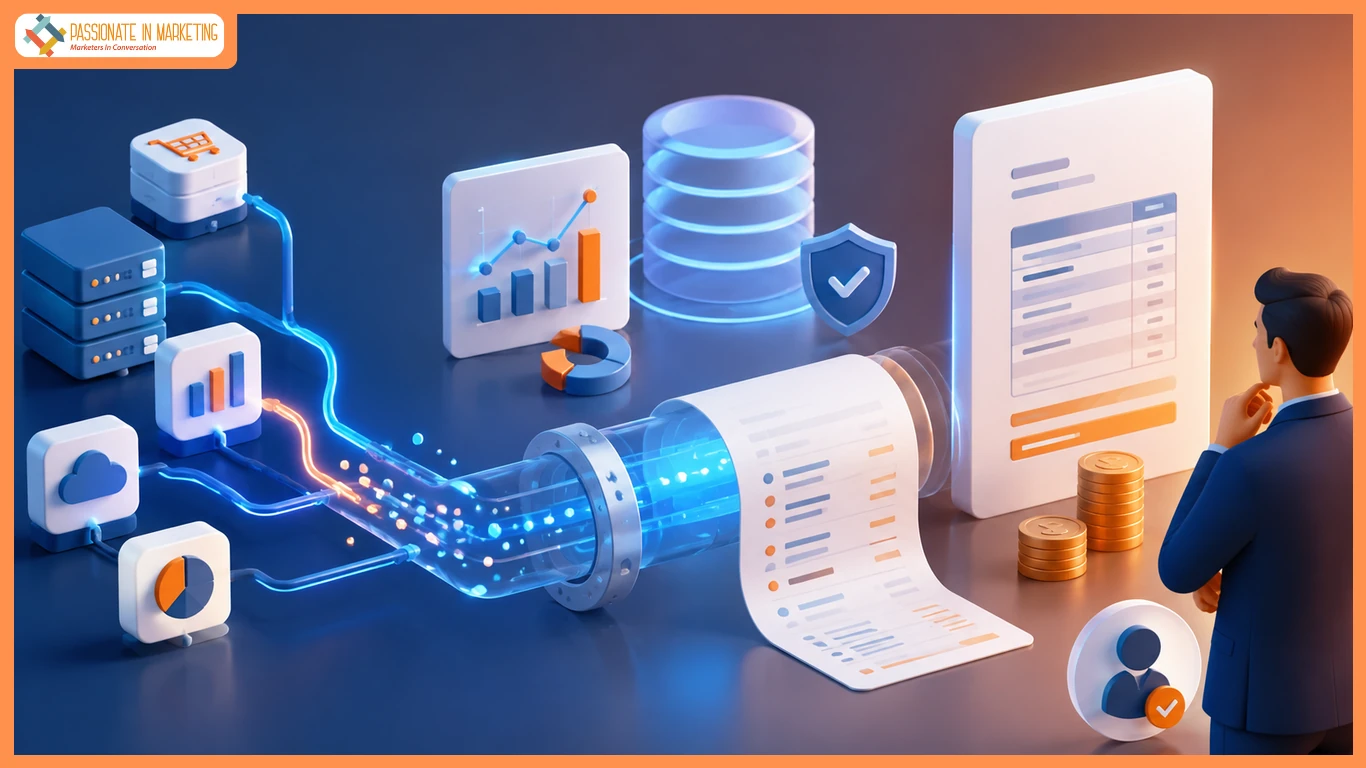
The real priority should be building a reliable pipeline that captures, processes, and reconciles usage information before it reaches the billing system.
Once the underlying data is accurate and current, creating a clear invoice becomes much easier. The invoice is only as trustworthy as the information behind it.
**The opinions expressed in the article are solely the author’s and don’t reflect the opinions or beliefs of the portal**

