


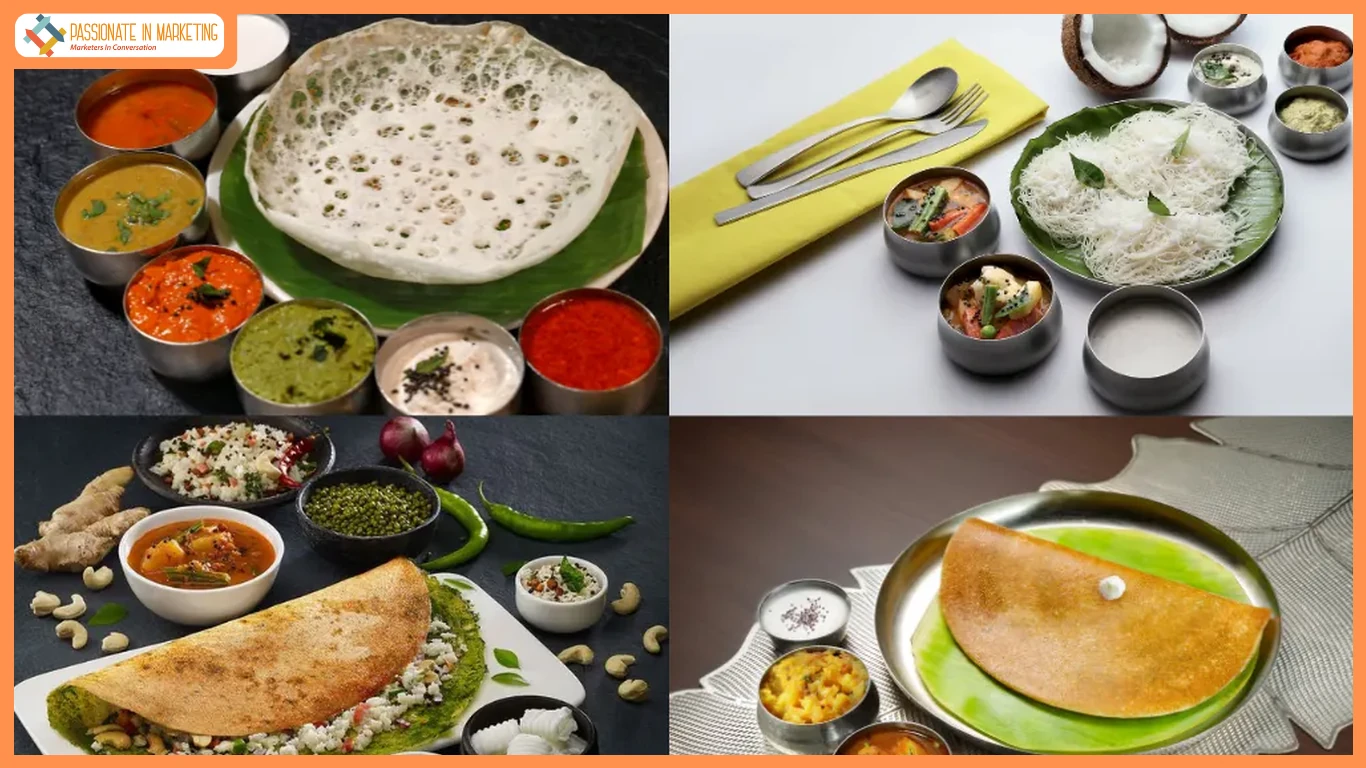
Learning the history of South Indian cuisine is the best way to understand its past and present diversity across regions in India and overseas. It includes the facts of how the distinct flavours, techniques, and ingredients have persisted for thousands years.
The culinary journey of South India shows us a lot about nutrition, traditions, and regional identity. Today, authentic South Indian restaurants keep up this legacy by bringing historical recipes to the table.
Here’s a closer look at how South Indian cuisine evolved over centuries.
Ancient Foundations: The Dravidian Roots
Origins of South Indian Food
South Indian cuisine traces its roots to the ancient Dravidian civilisation more than 4,000 years ago. Fertile river deltas and abundant rainfall shaped a rice-centric diet supplemented by lentils, vegetables, and local spices. Early South Indian societies understood the benefits of fermented foods.
Early Culinary Practices
Fermentation enhanced nutrition and preserved food in the hot, humid climate. Historical texts like the Sangam literature (3rd century BCE-3rd century CE) describe meals of steamed rice, mashed aubergine, and tangy buttermilk. This makes popular South Indian dishes like dosa as old as around 2000 years.
Temple Kitchens and Tradition
Temples are regarded as crucial for the existence and popularity of South Indian food. Large-scale kitchens in temples were used to prepare food for holy rituals and devotees. Over time, new ingredients and techniques were introduced.
As per Hindu principles, temples’ culinary areas were dominated by vegetarian recipes. The use of banana leaves for serving meals became a standard tradition that still stands today.
You will find many modern Indian restaurants that still honour these practices and are proud of the rich history of South Indian cuisine.
Medieval Culinary Developments
Royal and Religious Influence
In the medieval era, South Indian food got shaped by royal court kitchens and also religious texts. During the period, royal courts and religious institutions helped document recipes, preservation techniques, and the medicinal use of ingredients. Vegetarian traditions, particularly those influenced by Jain practices, also contributed to the development of cuisines like Udupi.
Recipe Preservation and Documentation
Later manuscripts like Bhojana Kutuhala (1675 CE) and Sivatattva Ratnakara (1699 CE) documented regional recipes and ingredients, helping preserve South Indian culinary traditions for future generations.
The Influence of Trade and New Ingredients
Maritime Trade and Cultural Exchange
South India’s position on major maritime trade routes exposed it to tons of international influences, especially in cooking. Traders from places like Arabia, Europe, and Southeast Asia were drawn to the Malabar Coast for its pepper and spices.Arab sailors introduced dry fruits and nuts, while Southeast Asian traders influenced fermentation and rice-based preparations.
The Columbian Exchange
Then came the Portuguese in 1498, sparking the Columbian Exchange in South Indian kitchens. Chillies and tomatoes were the game changers, particularly in Andhra Pradesh. Chillies added heat, while tomatoes added acidity and depth to curries. Later, veggies like potatoes also showed up, which completely transformed dishes like plain dosa.
British Influence and Modern Cooking
During the British colonial period, new cooking methods and tools came to India, leading to a mix of culinary traditions. For example, cafes and clubs started offering hybrid Anglo-Indian dishes, while modern innovations of classic dishes like the masala dosa emerged.
This blend of tradition and innovation continues to influence South Indian cuisine.
Regional Diversity Across South India
The history of South Indian cuisine helps you understand the reason for culinary diversity in South Indian regions. The distinct culinary styles are shaped by various factors, including climates, landscapes, and cultural traditions:
Tamil Nadu
- Climate and Geography: Fertile river deltas and hot, humid conditions in Tamil Nadu favour rice cultivation.
- Cultural Influence: Chettiar trading communities introduced aromatic spices, which gave Chettinad cuisine its signature heat.
- Signature Practices: Meals are traditionally served on banana leaves.
Kerala
- Climate and Geography: Tropical coastal regions like Kerala grow abundant coconuts and spice.
- Cultural Influence: Arab maritime trade introduced nuts, dry fruits, and new cooking techniques in Mappila cuisine.
- Signature Practices: Fermented rice dishes like appam and puttu are paired with vegetable stews.
Andhra Pradesh
- Climate and Geography: Andhra’s fertile deltas are perfect for rice cultivation, whereas the arid Rayalaseema region leads to spicier, rustic dishes.
- Cultural Influence: Local ingredients like gongura leaves and mango pickles define their regional identity.
- Signature Practices: Known for fiery curries that balance heat with tamarind tang.
Telangana and Hyderabadi Cuisine
- Climate and Geography: The semi-arid regions use millet and sun-dried vegetables to suit local farming & storage conditions.
- Cultural Influence: Persian and Turkish cooking techniques, which were brought by the Nizams, have become inseparable and blend well with local South Indian ingredients.
- Signature Practices: Known for world-famous dishes like biryani & haleem, these regions showcase the magic of slow-cooking methods and layered spices.
Karnataka
- Climate & Geography: Coastal regions favour coconut-based cuisines.
- Cultural Influence: Udupi vegetarian traditions and Kodava hunting culture influence meals.
- Signature Practices: Signature dishes like bisi bele bath and region-specific breads highlight diversity.
- Moder nIndian restaurants showcase this variety, offering flavours that reflect both local ingredients & historical practices.
The Enduring Appeal of South Indian Food
South Indian cuisine has preserved its identity for centuries while embracing new influences. Its rich history, regional diversity, & distinctive flavours continue to make it one of India’s most celebrated culinary traditions.
**’The opinions expressed in the article are solely the author’s and don’t reflect the opinions or beliefs of the portal’**

