


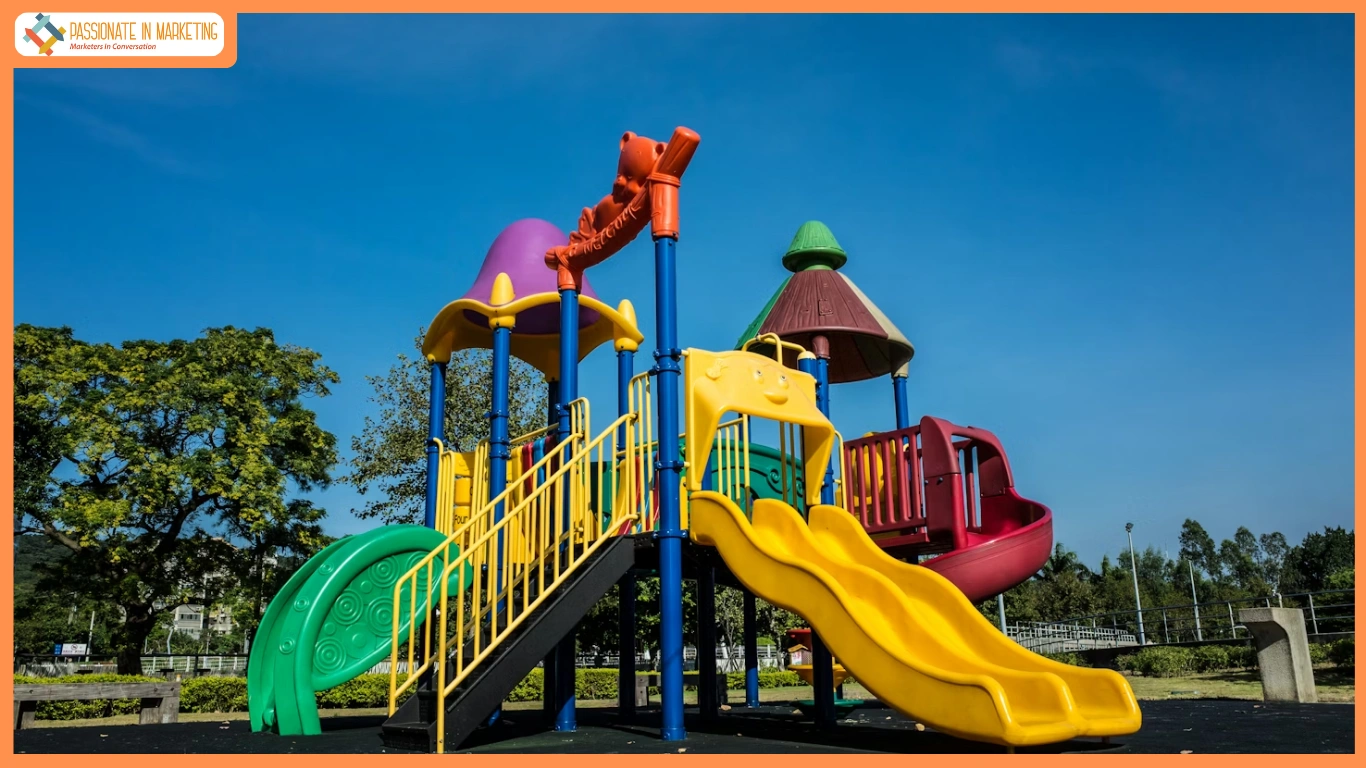
The global playground equipment market is experiencing remarkable growth, valued at $5.89 billion in 2024 and projected to reach $13.30 billion by 2033 with a CAGR of 9.48%. This surge reflects increasing investments in recreational infrastructure and child development programs.
For manufacturers and distributors, schools and municipalities represent lucrative, long-term clients with substantial purchasing power. However, penetrating this market requires specialized strategies that address complex procurement processes, multiple decision-makers, and stringent safety requirements.
Successfully marketing playground equipment to institutional buyers demands a fundamentally different approach than consumer marketing. School administrators and municipal recreation departments operate within specific budgetary constraints, follow formal procurement procedures, and prioritize safety compliance above all else.
Understanding these unique requirements is essential for any toymaker in China for indoor and outdoor playground equipment looking to establish a strong presence in this sector.
How Do You Navigate the Complex Procurement Process of Schools and Municipalities?
Understanding institutional procurement is the cornerstone of successful B2B playground equipment marketing. Unlike private purchases, schools and municipalities follow structured buying processes that can take months or even years to complete.
Approximately 56% of playground installations now occur through cooperative purchasing agreements, which streamline the bidding process and provide pre-negotiated pricing structures.
Leverage Cooperative Purchasing Contracts
Cooperative purchasing agreements have revolutionized how institutions buy playground equipment. Organizations like Sourcewell, TIPS (The Interlocal Purchasing System), and HGACBuy allow eligible entities to purchase equipment without conducting their own formal bid processes.
These contracts benefit both buyers and sellers.
- Schools and municipalities gain access to competitive pricing negotiated by larger entities.
- Manufacturers secure streamlined access to thousands of potential clients nationwide.
Registration with these cooperatives is typically free and opens doors to government agencies, K-12 schools, universities, and nonprofit organizations. Once enrolled, your playground equipment appears in catalogs accessible to procurement departments across the country
This exposure is invaluable, particularly for dream garden manufacturers seeking to expand their institutional client base.
Understand Budget Cycles and Planning Timelines
Schools and municipalities operate on fiscal year budgets, typically running from July to June. Budget planning often begins 12-18 months before actual purchases.
This extended timeline means your marketing efforts must be strategically timed. Engaging with potential clients in late fall or early winter positions you favorably for the following fiscal year’s budget allocations.
Research shows that playground equipment typically represents 20-50% of total project budgets, with installation accounting for another 20-35%. The industry standard suggests budgeting approximately $1,000 per child for equipment. A school playground designed for 100 children simultaneously would require $100,000 in equipment alone.
Address Multiple Stakeholders
Playground purchases involve numerous decision-makers: school principals, PTA members, facilities managers, recreation department directors, safety committees, and often community members. Each stakeholder has different priorities.
- Parents focus on safety and inclusivity.
- Administrators consider long-term maintenance costs.
- Facilities managers evaluate installation requirements.
Your marketing strategy must speak to all these audiences simultaneously. Develop materials that address safety certifications, total cost of ownership, compliance with ADA requirements, and community benefits.
Case studies demonstrating successful implementations at similar institutions carry significant weight in these multi-stakeholder environments.
What Digital Marketing Strategies Generate the Most Qualified Leads?
Digital marketing has transformed B2B playground equipment sales, yet many manufacturers still rely heavily on traditional methods.
The most successful companies integrate comprehensive digital strategies that combine SEO, content marketing, email campaigns, and targeted advertising to reach decision-makers when they’re actively researching solutions.
Implement Robust SEO and Content Marketing
Search engine optimization is critical for playground equipment suppliers. School administrators and municipal recreation directors increasingly begin their research online, searching for terms like “ADA-compliant playground equipment,” “school playground grants,” or “durable outdoor play structures.”
Optimizing your website for these keywords ensures visibility at crucial decision-making moments.
Content marketing establishes your authority and provides value to potential clients. Create comprehensive resources addressing common pain points:
- playground safety standards
- funding opportunities
- inclusive design principles
- maintenance best practices.
Blog posts, whitepapers, and downloadable planning guides generate organic traffic and capture leads.
Develop Targeted Email Marketing Campaigns
Email marketing remains one of the most cost-effective B2B strategies, particularly for reaching institutional buyers. Segment your mailing lists by audience type: landscape architects, school administrators, parks and recreation departments, daycare centers, and HOA managers.
Each segment receives tailored content addressing their specific needs and challenges.
Monthly email campaigns featuring new products, case studies, grant opportunities, and industry insights keep your brand top-of-mind throughout extended sales cycles.
Many playground suppliers build their email lists through trade show participation, where face-to-face interactions lead to qualified contacts. These relationships, nurtured through consistent email communication, often convert into substantial projects months or years later.
Utilize Social Media Strategically
While B2B social media marketing differs significantly from B2C approaches, platforms like LinkedIn offer powerful opportunities to connect with decision-makers. Share project showcases, safety certifications, sustainability initiatives, and thought leadership content.
- LinkedIn’s targeting capabilities allow you to reach specific job titles within education and municipal government sectors.
- Facebook and Instagram serve different purposes, focusing more on visual storytelling and community engagement.
High-quality photos and videos of installed playgrounds demonstrate your products in action and help potential clients envision similar installations at their facilities. User-generated content from satisfied schools and municipalities provides authentic social proof that resonates with prospective buyers.
Invest in Paid Digital Advertising
Pay-per-click advertising through Google Ads and social media platforms enables precise targeting of active buyers. When a parks director searches “playground equipment RFP requirements” or a principal researches “school playground funding,” your ads appear at the moment they’re seeking solutions. This intent-based targeting generates higher-quality leads than traditional advertising methods.
Account-based marketing (ABM) takes this further by creating personalized campaigns for specific target institutions. Identify your ideal clients—perhaps larger school districts or growing municipalities—and develop customized marketing messages addressing their unique challenges and opportunities.

Why Should You Prioritize Inclusive and Sustainable Playground Solutions?
Market trends increasingly favor manufacturers who emphasize inclusivity and sustainability. The inclusive playground equipment market alone was valued at $1.2 billion in 2024 and is expected to expand at a CAGR of 9.1% from 2026 to 2033.
Meet Growing Demand for ADA-Compliant Equipment
The Americans with Disabilities Act (ADA) mandates accessible design in public spaces, driving substantial demand for inclusive playground equipment.
According to the U.S. Census Bureau, approximately 1 in 4 adults lives with a disability, underscoring the need for accessible public environments. As a result, schools and municipalities increasingly prioritize ADA compliance.
Your marketing must prominently feature ADA-compliant offerings. Highlight equipment with ramps, transfer systems, sensory play panels, adaptive swings, and wheelchair-accessible features.
Demonstrate how your products comply with ASTM F 1951-99 standards for accessible surfaces and provide educational content helping clients understand accessibility requirements.
Emphasize Sustainability and Eco-Friendly Materials
Environmental concerns are reshaping the playground equipment industry. Manufacturers increasingly adopt recycled materials, sustainable wood, and energy-efficient designs. A large part of playground equipment now incorporates recycled materials, and demand for eco-friendly solutions continues rising.
Marketing sustainability initiatives resonate with environmentally conscious school boards and municipal councils. Highlight your use of recycled plastics, sustainably sourced timber, and non-toxic materials. Quantify environmental benefits: “Our equipment diverts X pounds of plastic from landfills” or “Our manufacturing process reduces carbon emissions by Y%.”
Many institutions actively seek LEED (Leadership in Energy and Environmental Design) certified products or equipment supporting their sustainability goals. Position your products as part of broader environmental initiatives, not just playground equipment purchases.
Showcase Safety Certifications and Quality Standards
Safety is non-negotiable for institutional buyers. All equipment must meet or exceed CPSC (Consumer Product Safety Commission) guidelines and ASTM International standards. Your marketing materials should prominently display relevant certifications, third-party testing results, and compliance with international safety standards.
Modern buyers also appreciate innovative safety features: rounded edges, non-toxic materials, appropriate spacing between components, and impact-attenuating surfacing that meets ASTM F 1292-04 standards.
How Can You Support Clients Throughout the Funding and Installation Process?
Schools and municipalities often struggle with playground project funding. The average cost of playground equipment ranges from $8,000 to $50,000, with larger structures reaching $50,000-$150,000. These substantial investments require creative financing, grant applications, and community fundraising.
Provide Grant and Funding Resources
Position yourself as a funding partner, not just an equipment supplier. Compile comprehensive lists of available grants from local, state, and federal sources.
Many organizations offer playground grants: government agencies, foundations, nonprofits, and corporations. Some specifically support playgrounds in low-income areas or those with accessibility accommodations.
Create downloadable grant guides, application tips, and success stories. Some manufacturers go further, offering school incentive programs that match equipment purchases.
Offer Flexible Financing Options
Recognize that few schools or municipalities can make large upfront payments. Offer financing plans, phased installation options, and equipment leasing arrangements. Phased approaches allow institutions to replace outdated equipment gradually as funding becomes available, rather than waiting years to accumulate full project budgets.
Some playground suppliers offer cooperative purchasing through organizations that bundle buying power, delivering better pricing for smaller entities. This approach reduces barriers to entry for smaller schools and municipalities with limited budgets.
Simplify the Installation Process
Installation typically accounts for 20-35% of total project costs. Streamline this process by offering turnkey solutions: certified installers, site preparation services, and project management. Some manufacturers provide “community build” options, where certified installers work alongside volunteers, reducing costs while engaging the community.
Clear communication about shipping costs (typically 5-15% of budgets), timeline expectations, and site preparation requirements builds trust and prevents unpleasant surprises.
Provide detailed installation guides, safety inspections, and post-installation support to ensure client satisfaction and generate positive referrals.
Maintain Long-Term Client Relationships
Playground equipment requires ongoing maintenance, periodic updates, and eventual replacement. Industry data shows equipment lifecycles of 15-20 years. Cultivate long-term relationships by offering maintenance plans, replacement part availability, and equipment refurbishment services.
Regular communication keeps you top-of-mind when clients plan upgrades or expansions. Send maintenance reminders, safety update notifications, and information about new products that could complement existing installations. Schools and municipalities value partners who support them beyond the initial sale.
Conclusion
Marketing playground equipment to schools and municipalities requires sophisticated strategies addressing unique institutional buying processes, budget constraints, and safety requirements.
Success comes from understanding cooperative purchasing systems, implementing comprehensive digital marketing, prioritizing inclusive and sustainable solutions, and supporting clients throughout funding and installation.
The playground equipment market’s robust growth presents significant opportunities for manufacturers and distributors who adapt their marketing approaches.
By focusing on these specialized strategies, you position your company as a trusted partner capable of delivering safe, inclusive, and innovative play solutions that serve communities for decades.
FAQ: Marketing Playground Equipment to Institutions
How long does the typical school or municipality playground procurement process take?
The procurement timeline varies significantly but typically ranges from 6-18 months from initial budget planning to installation. Larger projects or those requiring formal RFPs may extend beyond 18 months.
Budget planning often begins 12-18 months before actual purchases, which is why early engagement with potential clients is crucial.
What are the most important safety certifications playground equipment manufacturers should have?
Essential certifications include CPSC (Consumer Product Safety Commission) compliance, ASTM International standards (particularly ASTM F1487 for playground equipment performance and ASTM F1292 for impact attenuation), and IPEMA (International Play Equipment Manufacturers Association) certification.
Many institutions also look for ISO 9001 quality management certification and specific ADA compliance documentation. Third-party testing results and regular safety audits strengthen credibility with institutional buyers.
How can smaller playground equipment manufacturers compete against larger established brands?
Smaller manufacturers can compete effectively by specializing in niche markets (inclusive equipment, themed playgrounds, sustainable materials), offering superior customer service, providing flexible customization options, and building strong local or regional reputations.
Focus on relationship-building, responsive communication, and demonstrating expertise through educational content and community involvement.
**’The opinions expressed in the article are solely the author’s and don’t reflect the opinions or beliefs of the portal’**

