


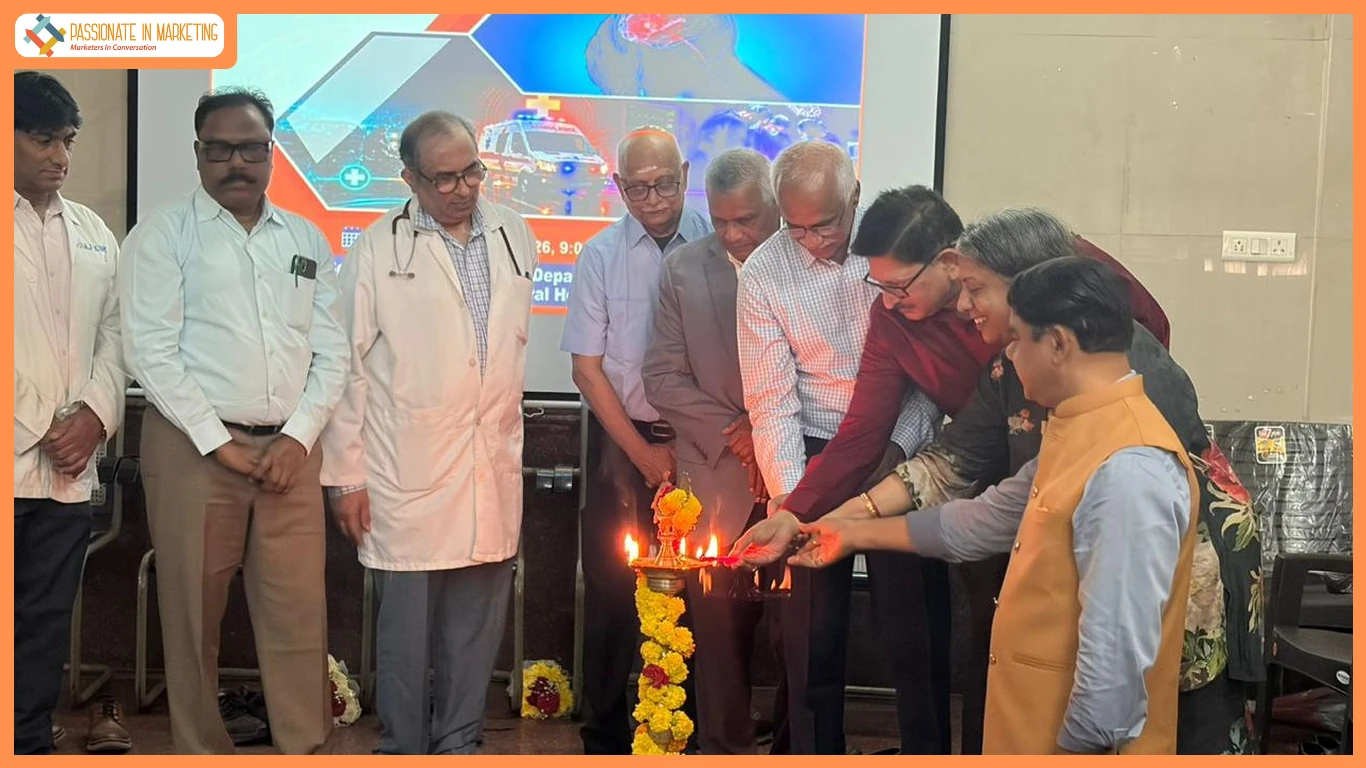
Hyderabad, August 29, 2026: International Trauma Care (ITC) – Hyderabad Chapter conducted a one-day Continuing Medical Education (CME) programme on Trauma Care at Osmania General Hospital on Saturday, bringing together leading trauma-care experts, postgraduate medical students, nurses and paramedics to discuss the growing burden of trauma and the need for a systematic, multidisciplinary approach to trauma management.
The day-long academic programme was attended by National ITC President Dr. Tanmoy Das, Kolkata; Dr. Ganapati, Erode, Tamil Nadu; Dr. TV Ramakrishna, Chennai; Dr. Chandrasekhar, Hyderabad; and Dr. Raja Narsing Rao, Hyderabad, among other experts.
Principal, Osmania Medical College, Dr. Raja Rao, and Superintendent, Osmania General Hospital, Dr. Rakesh Sahayi, were the Guests of Honour. Dr. Pandu Naik, Head of the Department of Anesthesiology, Osmania General Hospital, hosted the programme.
The inauguration was presided over by Dr. G.V. Ramana Rao, Medical Director, EMRI and Vice President, ITC Hyderabad Chapter. Dr. Ashima Sharma, Senior Professor, Emergency Medicine, NIMS and Secretary, ITC Hyderabad Chapter, facilitated the academic programme.
The CME featured expert sessions covering various critical aspects of trauma management, including initial assessment of trauma victims, pre-hospital challenges, damage-control resuscitation, damage-control surgery, airway management, pelvic trauma and ocular trauma. Resource persons from Emergency Medicine, Emergency Medical Services, Orthopaedics, Trauma Surgery, Anaesthesiology and Critical Care, and Ophthalmology shared current principles and best practices in trauma care.
A key highlight of the CME was a live demonstration of primary and secondary trauma surveys on a moulaged standard trauma patient presenting with head injury and fracture of the femur. Members of the ITC Hyderabad Executive Committee participated as faculty and contributed to the academic and practical sessions.
Postgraduate students from various clinical departments of Osmania General Hospital and NIMS constituted the majority of the participants. Nurses and paramedics also participated, underlining the importance of a coordinated team response in trauma care.
Speaking on the occasion, experts emphasised that trauma care requires a structured and time-sensitive approach, beginning with prompt assessment at the scene and continuing through pre-hospital care, emergency management, surgery and critical care. They also stressed the importance of creating greater awareness among bystanders and encouraging citizens to assist trauma victims as Rah-Veers (Good Samaritans) until professional medical help arrives.
The CME also served as a platform to highlight the growing burden of trauma in Telangana and the need to strengthen trauma-care capabilities among healthcare professionals across disciplines.
Dr. G.V. Ramana Rao said that strengthening trauma care requires seamless coordination between bystanders, emergency medical services, hospitals and specialist teams. Regular training and simulation-based learning can significantly improve preparedness and outcomes in trauma emergencies, he said.
Dr. Ashima Sharma said the CME was designed to provide healthcare professionals with a focused update on trauma management while creating awareness about the importance of a systematic primary and secondary survey. She said ITC Hyderabad Chapter intends to take structured trauma-care training to medical colleges and institutions across Telangana.
The Hyderabad Chapter of International Trauma Care plans to conduct Comprehensive Trauma Life Support (CTLS) courses in medical colleges and healthcare institutions across Telangana in the near future. The CTLS programme will adopt a multidisciplinary approach, bringing together professionals from different specialties involved in the care of trauma victims.
The CME was thus positioned as both a focused academic update on trauma management and a gateway to the forthcoming CTLS training initiatives of International Trauma Care in Telangana, aimed at strengthening the state’s trauma-care ecosystem.

