


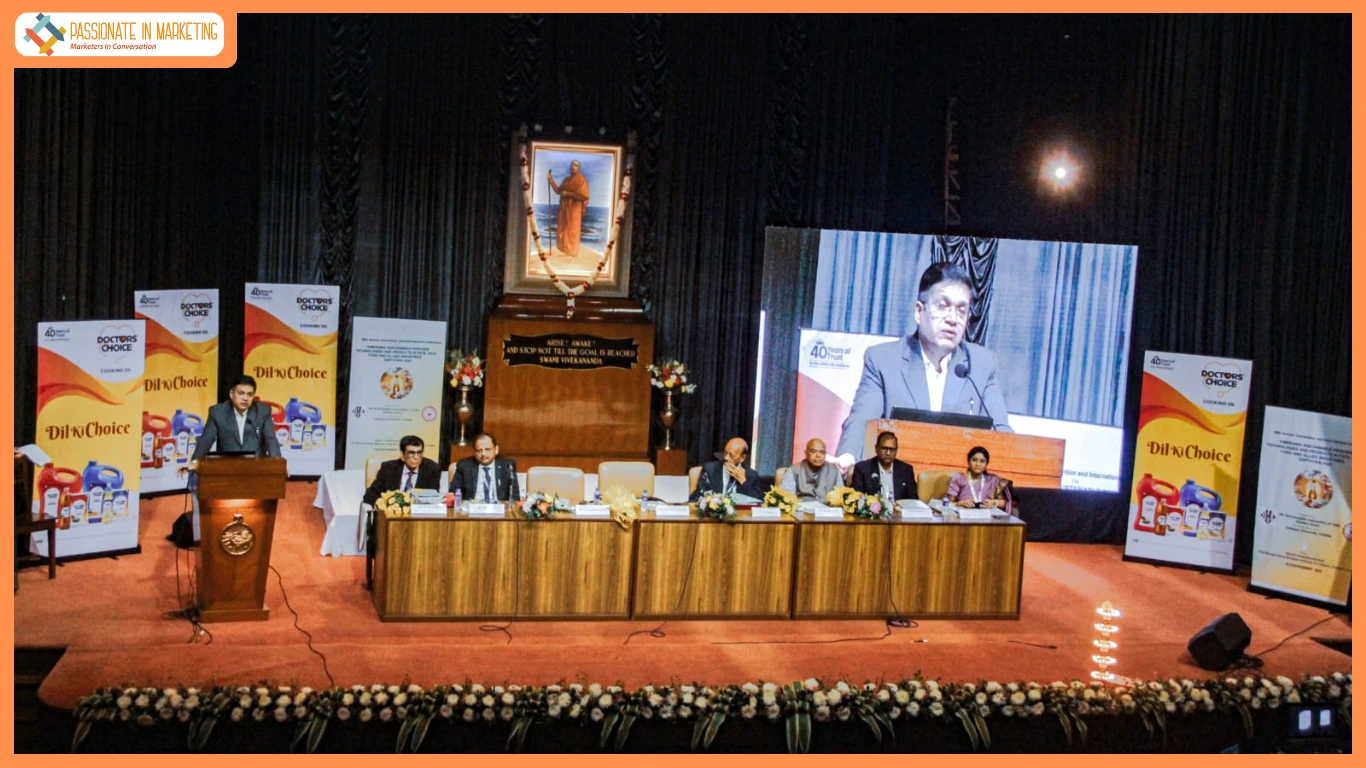
Kolkata, 25th November, 2025 — A seminar session had been organized by Oil Technologists’’ Association of India, Eastern Zone in collaboration with Malaysian Palm Oil Council (MPOC) and supported by Jadavpur University, Kolkata at Ramakrishna Mission Institute of Culture (RMIC), Golpark, Kolkata as part of 80th Annual Convention and International Conference on “Emerging Sustainable Process Technologies and Products in Fats, Oils, Food and Allied Industries” (ESPT-FOFA 2025)
The seminar session on “Unveiling Palm Oil: Science, Society, Innovation, Sustainability and the Way Forward”, was a landmark initiative designed to bring clarity, evidence-based insight, and constructive dialogue to one of the world’s most debated agricultural commodities. Palm oil remains a cornerstone of global food, energy, and consumer-goods systems, yet it sits at the intersection of complex societal, environmental, and economic debates. This initiative brought together scientists, industry leaders, medical professionals, policymakers, community stakeholders, and sustainability innovators to chart a balanced, solutions-focused path for the future of palm oil.
The seminar specifically addressed long-standing myths, highlighting that Palm Oil is trans-fat-free, rich in antioxidants, and contains a balanced fatty acid composition, making it both a nutritionally balanced and stable cooking oil suited for Indian kitchens.
At the core of the initiative was a commitment to cutting-edge research and transparent communication. Through interdisciplinary studies on agronomy, land-use change, biodiversity, climate impacts, and supply-chain verification, the project aimed to demystify the science behind palm oil production and its global footprint. This seminar aimed to place a scientific integrity at the forefront, ensuring that discussions are informed by data, not by assumptions.
Palm oil supports the livelihoods of millions of smallholder farmers across Asia, Africa, and Latin America. Unveiling Palm Oil highlights the human dimensions of the industry, including equitable trade, rural development, and the cultural significance of palm cultivation with vital socio-economic contributions of the sector.
This seminar session was in adherence with the National Mission on Edible Oils – Oil Palm (NMEO- OP), launched in August 2021 by the Indian government. Sustainability remained at the heart of the initiative. Unveiling Palm Oil supports alignment with global frameworks such as the SDGs. It also encouraged collaboration to harmonize certification schemes, boost transparency, and reduce the environmental footprint of production with innovation, good governance, and shared responsibility.
This initiative was a cross-sector, multi-stakeholder platform dedicated to fostering a deeper understanding of palm oil’s complexities and unlocking pathways for responsible, science-based progress involving all stakeholders, including industrialists, researchers, and consumers to engage constructively and collaboratively.
This was a comprehensive initiative to transform understanding and drive responsible progress in the palm oil sector.

