


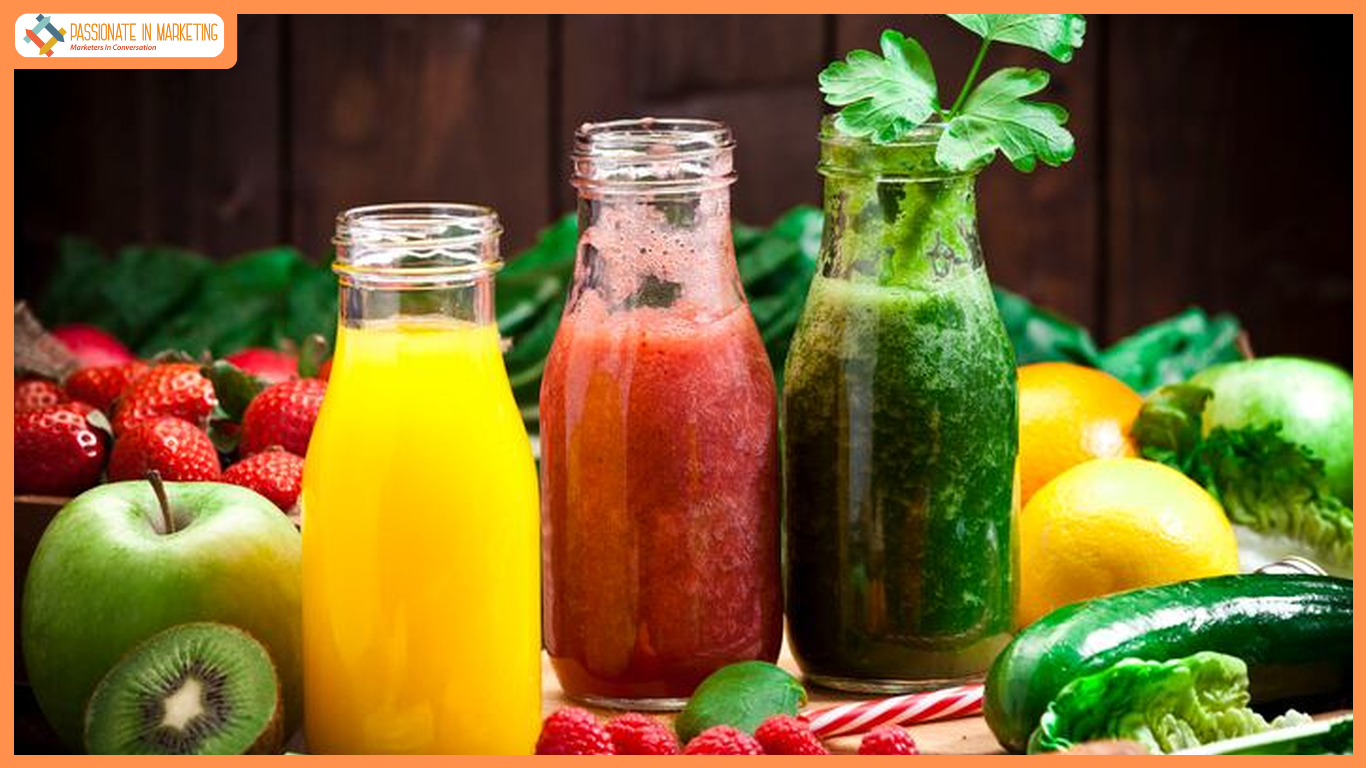
Changing tastes aren’t just a consumer matter—they’re a business reality. For companies in the beverage industry, new trends like “low sugar,” “plant-based,” and functional drinks built on probiotics or adaptogens don’t simply open new markets; they disrupt existing ones. Products that once commanded steady demand can find themselves suddenly sidelined if they fail to evolve. For businesses, understanding this shift is critical—not just for survival, but for capturing growth opportunities.
Low Sugar as More Than a Health Claim
The consumer push for reduced sugar isn’t a passing fad—it’s structural. Shoppers are reading labels more closely, regulators are considering sugar taxes, and parents are rethinking what they offer their kids. For businesses, this trend forces a re-examination of formulations, supply chains, and pricing. Drinks that can achieve sweetness without the “empty calories” tag position themselves as more than just healthier—they become future-proofed against changing policy and consumer sentiment.
The challenge, however, is balancing taste with reformulation. Consumers won’t compromise on flavour, so product development teams face a delicate balancing act: how to reduce sugar without reducing appeal. Companies investing in natural sweeteners, flavour enhancers, and better testing methods are setting themselves up for competitive advantage.
Plant-Based as a Mainstream Expectation
What was once a niche lifestyle choice has become an industry benchmark. Plant-based alternatives are no longer just for vegans or those with dietary restrictions; they’ve entered the mainstream, particularly in categories like milk alternatives, smoothies, and protein-based beverages.
For businesses, the plant-based movement creates both a threat and an opportunity. Traditional dairy products face substitution risk, but innovative plant-based drinks can command premium pricing and capture loyalty among younger demographics. Distribution, branding, and clear communication of health benefits become just as important as taste in this environment.
Functional Drinks: More Than Hydration
If low sugar speaks to health avoidance and plant-based to lifestyle alignment, functional beverages are about aspiration. These are drinks that don’t just quench thirst—they promise an outcome. Whether it’s probiotics for gut health, adaptogens for stress management, or added vitamins for immunity, functional drinks sell an experience of wellness and performance.
This category is expanding fast. For businesses, it represents a more complex opportunity: functional claims need scientific grounding, regulatory approval, and marketing discipline to avoid overpromising. At the same time, functional drinks typically earn higher margins and invite stronger brand differentiation compared to traditional sodas or juices.
The Knock-On Effect for Existing Products
The disruption doesn’t just play out in new launches; it affects established product lines. Traditional soft drinks, flavoured waters, and dairy-based offerings are all seeing margin pressure as buyers pivot. For many businesses, the decision is whether to reformulate, rebrand, or sunset products that no longer align with what the market demands.
Retailers also respond to these shifts, often reducing shelf space for “legacy” products in favour of new health-driven entrants. This means established brands aren’t just competing for consumers’ attention—they’re fighting for visibility at the store level.
Why Packaging Matters in This Shift
As demand shifts, packaging becomes a frontline communicator. It’s no longer enough for packaging to be visually attractive; it must clearly convey health claims, ingredients, and brand values. For instance, consumers scanning shelves often make a split-second decision based on whether a product’s design communicates “low sugar” or “plant-based” at a glance.
Businesses working with specialists in packaging design Sydney and other creative hubs understand the stakes: packaging is now as much about storytelling as it is about functionality. The brands that succeed will be those that integrate trend messaging directly into their design choices, from typography to colour palettes to eco-friendly materials.
The Risks of Standing Still
Ignoring these shifts can carry significant risks. Beyond the obvious loss of consumer relevance, companies that resist adapting face erosion in distributor support, retailer placement, and even investor confidence. As wellness-driven categories grow, businesses that fail to align risk being painted as outdated or, worse, unhealthy.
But for forward-thinking companies, the current disruption is an opening. Being first-to-market with new formulations, transparent labelling, or sustainability-focused packaging positions a brand not just as relevant, but as a leader.
Looking Ahead: Evolution as Strategy
The beverage industry is now defined by fluidity. Consumers evolve quickly, and trends that once looked niche can become mainstream in just a few years. Businesses that treat adaptation as a one-off project risk falling behind again. The better strategy is building agility into operations: flexible supply chains, adaptable branding, and innovation pipelines that anticipate the next wave of demand.
That might mean partnerships with research labs, co-branding with health and wellness influencers, or simply creating more room in R&D budgets. What’s certain is that demand disruption is no longer the exception—it’s the norm.
Final Thought
Trends like “low sugar,” “plant-based,” and functional drinks aren’t just reshaping consumer preferences—they’re rewriting the rules of competition. For beverage businesses, the real challenge isn’t spotting the shift, but responding with products, messaging, and packaging that meet consumers where they’re headed. Partnering with experts in areas like packaging design Sydney can help brands stay not only visible on shelves but relevant in the stories consumers want to tell about their health and lifestyle choices.
**’The opinions expressed in the article are solely the author’s and don’t reflect the opinions or beliefs of the portal’**

