


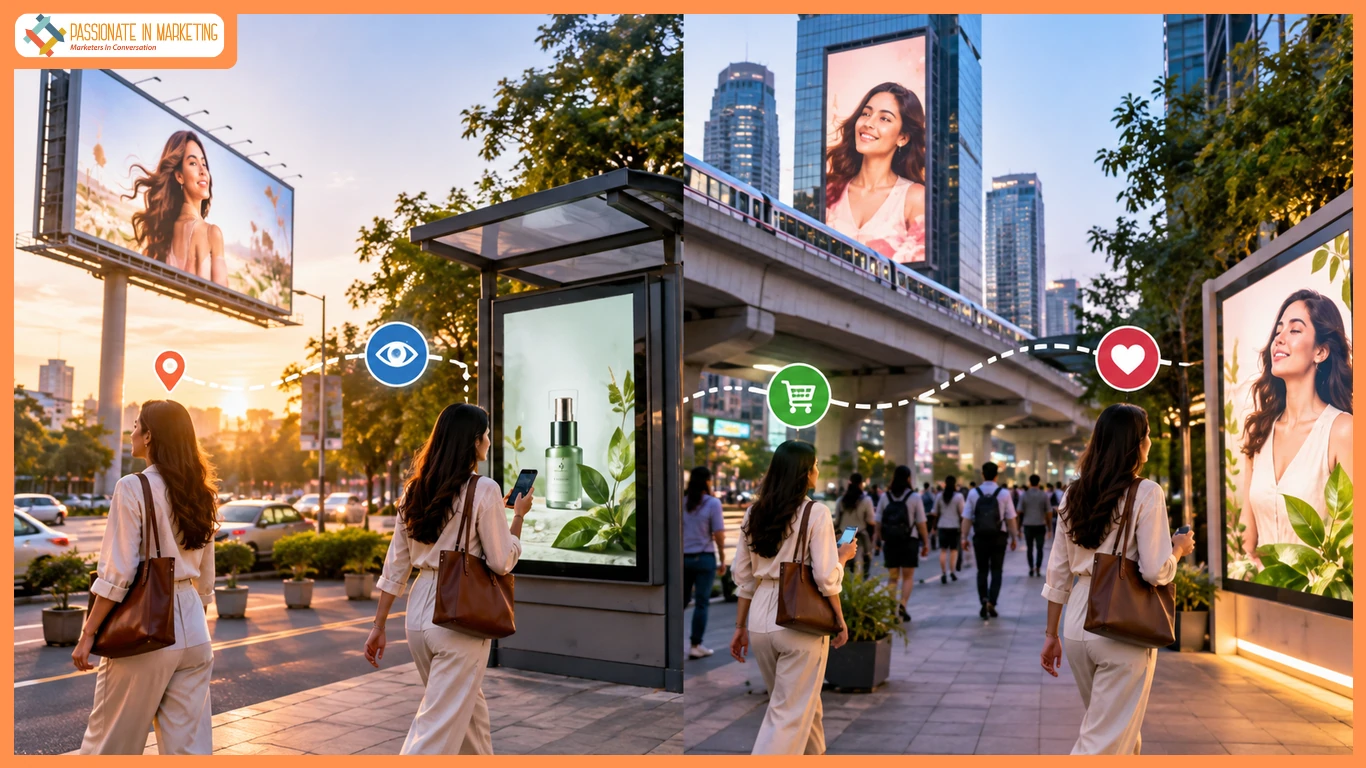
Outdoor advertising works best when it reflects how people actually move through places. Audiences travel between homes, workplaces, transport hubs, shopping districts and leisure areas, often encountering different advertising formats along the way. Understanding these journeys helps you place messages where they are more likely to be noticed, remembered and relevant to what people are doing.
Journeys Reveal Where Attention Naturally Occurs
Mapping audience journeys helps identify locations where people slow down, wait, change direction or repeatedly pass through. These moments can create stronger opportunities for visibility than simply choosing sites with the highest overall traffic.
Different formats can then support different stages of the journey. For example, street posters connecting brands with audiences on the move can support a wider placement strategy across pedestrian routes, retail precincts and transport corridors. The key is matching the format to how your audience uses each environment.
Repeated Exposure Improves Message Recall
People often need to encounter a message more than once before it becomes familiar. Understanding travel patterns allows you to plan frequency across the day.
That does not mean displaying identical advertisements everywhere. Someone might first see your campaign near a train station, encounter it again around an office precinct and see another execution on the journey home.
Context Makes Advertising More Relevant
Where someone sees an advertisement can shape how they interpret it. A message near a shopping district may prompt a different response from one seen during the morning commute.
Journey planning allows you to align placements with location, timing and audience mindset. When the surrounding environment supports the message, outdoor advertising can feel more relevant and easier to process.
Journey Data Supports Smarter Site Selection
High footfall or vehicle traffic is useful, but volume alone does not show whether the right people are passing a location.
Journey data adds context through travel direction, commuting patterns, nearby destinations and dwell time.
Connected Placements Build Stronger Campaigns
Planning around journeys also helps individual placements work together. Consistent visual elements, themes and messages can create continuity as audiences move between locations.
Journey Planning Makes Outdoor Media More Purposeful
Audience journeys matter because outdoor advertising exists within real patterns of movement. Understanding where people travel, pause and pay attention allows you to choose placements based on behaviour rather than visibility alone, creating campaigns where location, repetition and context work together more effectively.
**The opinions expressed in the article are solely the author’s and don’t reflect the opinions or beliefs of the portal**

