


Compliance today is no longer limited to meeting statutory requirements or clearing regulatory inspections. In highly regulated sectors such as financial services, life sciences, energy, and pharmaceuticals, compliance has become a direct measure of organizational credibility, resilience, and long-term sustainability. Regulatory expectations now extend beyond financial accuracy to include data protection, environmental responsibility, ethical conduct, and governance effectiveness.
Organizations operating in such environments face a regulatory landscape that is both complex and continuously evolving. In this context, compliance can no longer function as a reactive or checklist-driven exercise. This shift has fundamentally changed the role of internal audit. What was once viewed primarily as an assurance function has increasingly become a strategic backbone of compliance, one that helps organizations interpret regulatory intent, assess preparedness, and embed compliance into everyday decision-making rather than treating it as an episodic obligation.
The growing importance of internal audit is closely linked to the interconnected nature of risks in regulated industries. Traditional compliance models, often built around siloed controls and periodic reviews, are no longer sufficient. Regulatory risk today is inseparable from operational, technological, financial, and reputational risks.
Internal audit now operates within an enterprise-wide risk framework, allowing organizations to understand how weaknesses in one area can trigger cascading compliance failures elsewhere. For instance, deficiencies in vendor oversight or data governance do not merely expose organizations to operational gaps; they can lead to regulatory breaches, erosion of stakeholder trust, and business disruption. By examining risks holistically, internal audit helps management move beyond surface-level compliance and address underlying vulnerabilities that regulators increasingly scrutinize.
Technology has further amplified the strategic role of internal audit. The adoption of data analytics, continuous auditing, and real-time monitoring tools has shifted internal audit from retrospective validation to proactive risk anticipation. Rather than identifying issues after regulatory non-compliance has occurred, internal audit functions can now flag early warning indicators and emerging risk patterns before they escalate.
This capability is particularly critical in regulated sectors where regulatory tolerance for delayed responses is minimal. Continuous auditing enables organizations to demonstrate not only compliance with regulations but also the maturity of their governance and risk management practices, an expectation increasingly emphasized by regulators and oversight bodies.
Beyond reviewing processes and systems, internal audit plays a pivotal role in shaping organizational compliance culture. By working closely with management during process design, control implementation, and policy interpretation, internal audit contributes advisory insights that strengthen compliance ownership across the organization. This proactive involvement supports awareness, accountability, and ethical conduct at all levels.
From a regulatory and stakeholder perspective, a strong internal audit function signals seriousness about governance and integrity. Regulators and audit committees increasingly view the effectiveness of internal audit as a proxy for the organization’s overall compliance maturity. Where internal audit is robust, independent, and forward-looking, confidence in the organization’s ability to manage regulatory obligations tends to follow.
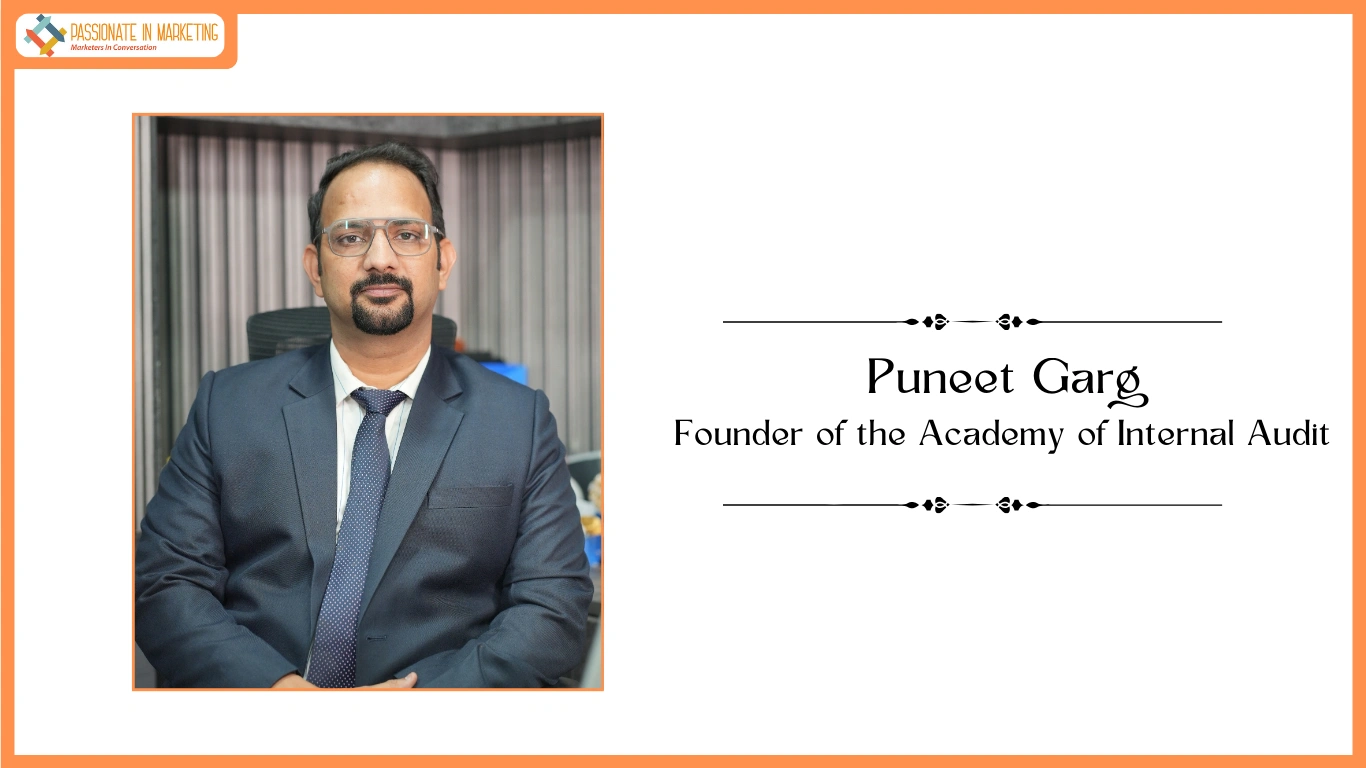
This shift is well summarized by Puneet Garg, who notes, “The role of internal audit has transformed from validation of controls to building confidence. For heavily regulated industries, it acts as an interface between regulatory requirements and reality, assisting organizations in making the transition from reactive compliance to intelligent and proactive governance.”
“Puneet Garg further added that organizations that adopt internal audit in its true nature, both in practice and in appearance, are better positioned to achieve sustainable growth, maintain profitability, and navigate future uncertainties with discipline and foresight.”
This evolution highlights a critical reality: internal audit is no longer defined by what it enables. By providing independent insight into risk exposure and regulatory readiness, internal audit empowers leadership to make informed decisions in uncertain environments. In highly regulated sectors, sustainable compliance is no longer achievable through isolated controls or post-facto assurance. It requires an internal audit to function as the backbone that connects regulation, risk, and responsible governance.

