


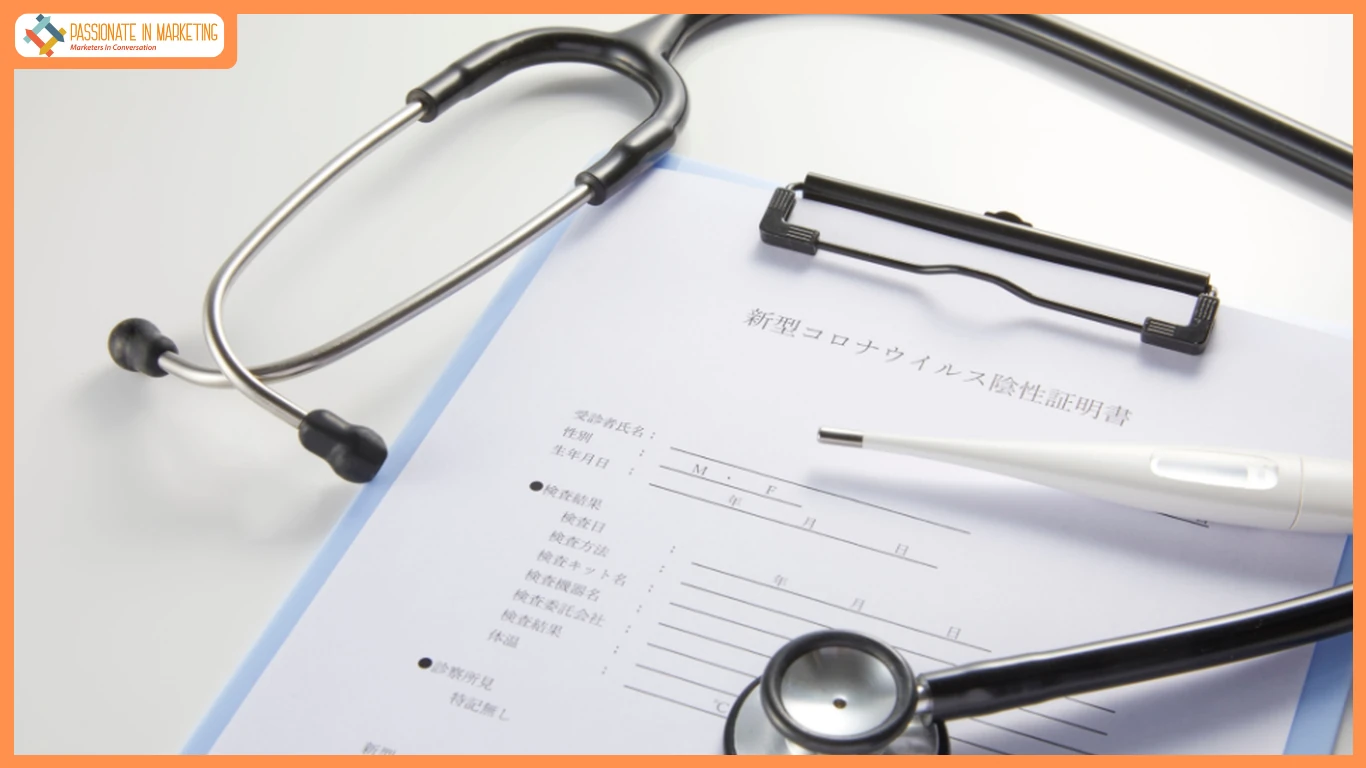
Good documentation supports safe, accountable patient care. When records are clear, timely, and complete, clinicians can reduce errors, improve care coordination, and protect patients across different care settings. Strong documentation is not only about compliance. It helps every qualified provider understand what happened, what was decided, and what should happen next.
What Effective Documentation Requires
Effective healthcare documentation depends on timeliness, clarity, and objectivity. Notes written long after an encounter can miss important details and create avoidable risk. Records should be accurate, complete, and easy for another clinician to follow.
Many clinicians use soap notes because the Subjective, Objective, Assessment, and Plan format keeps charting structured. It also makes documentation easier to review, especially when multiple providers are involved in a patient’s care.
Why Poor Documentation Creates Risk
Unclear phrasing, missing consent details, late entries, and incomplete care plans can lead to billing issues, audit concerns, or clinical confusion. Poor documentation also affects handoffs between teams. When important details are buried in free text or recorded inconsistently, patients may face duplicate tests, missed medication concerns, or delayed care decisions.
Modern Documentation Techniques
Digital documentation offers major advantages over paper records. EHR systems make records searchable, easier to update, and more accessible across departments. Structured fields, templates, and standardized terminology help clinicians document consistently without wasting time.
Voice recognition tools and AI-supported documentation are also becoming more common. Ambient tools can help capture clinical conversations and support faster note creation. However, privacy compliance remains essential. Any tool used for clinical documentation must meet security and regulatory requirements.
The rise of Epic EHR systems in 2025 also shows how quickly healthcare documentation is changing. Hospitals are adopting more integrated tools to help clinicians document faster while keeping records accurate and usable.
Best Practices That Actually Work
Use templates carefully. Smart templates, macros, and shortcuts can save time, but generic copy-paste text can introduce errors. Every note should reflect the actual encounter.
Document consent, allergies, patient updates, and care plans in the correct fields instead of hiding them in long narrative sections. Use clear language, avoid abbreviations, and keep entries specific.
Final Thoughts
Better documentation comes from consistent habits, not just better software. Teams should use clear standards, regular audits, structured templates, and ongoing feedback. When documentation is accurate and easy to follow, clinicians work more efficiently, patients receive safer care, and healthcare teams make better decisions.
**’The opinions expressed in the article are solely the author’s and don’t reflect the opinions or beliefs of the portal’**

