


Ahmedabad, September 27, 2025: In the run-up to World Heart Day on September 29, city-based cardiologists are urging people to look beyond diet and exercise and pay closer attention to their emotional wellbeing. Strong relationships—whether romantic, familial, or social—may be one of the most powerful yet overlooked factors in keeping the heart healthy.
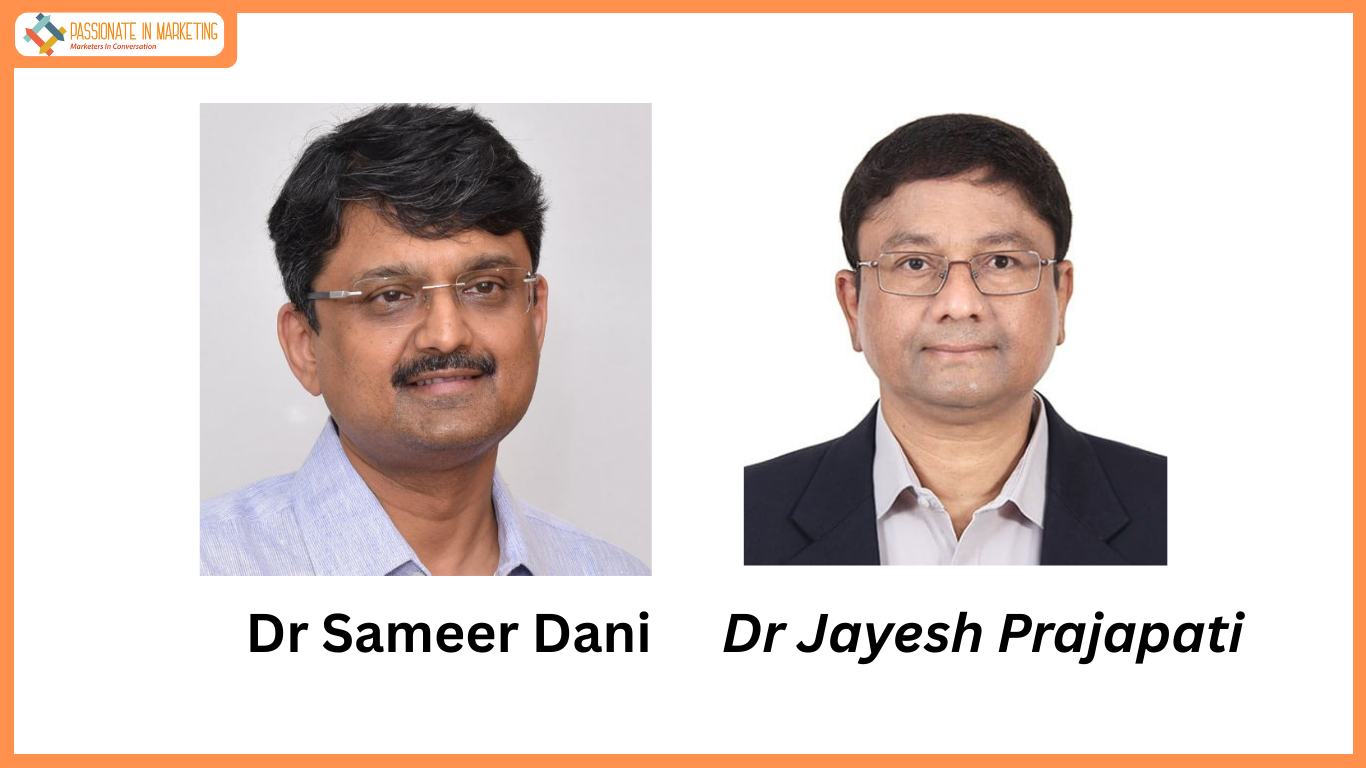
“Positive relationships lower stress, reduce blood pressure, and improve overall cardiovascular health,” said Dr Sameer Dani, Director, Cardiology Services, Apollo Hospitals and Apollo CVHF Heart Institute, Ahmedabad. “When you feel cared for, your body responds by calming the nervous system, easing strain on the heart, and improving circulation. Married people, for example, often recover faster after heart procedures because of the support system at home.”
Doctors point out that the benefits go far beyond romantic relationships. Close bonds with family and friends, and even the unconditional love of pets, can improve recovery from heart disease and reduce the risk of future complications. “Patients who know they have someone to lean on are more likely to follow medical advice, take their medicines on time, and attend cardiac rehabilitation sessions. On the other hand, loneliness or lack of support can delay recovery and worsen cardiovascular health,” said Dr Jayesh Prajapati, Director, Cath Lab and Senior Interventional Cardiologist, Apollo Hospitals, Ahmedabad.
He further added that professional stress, long working hours, and lack of adequate rest are emerging as hidden contributors to heart disease. Ensuring 7–8 hours of quality sleep each night is as essential as diet, exercise, and medication in protecting heart health.
Hidden risks of stress and heartbreak
Experts also warn that toxic relationships or emotional shocks can have the opposite effect. A condition known as Broken Heart Syndrome—medically called Takotsubo cardiomyopathy—can occur after sudden bereavement, separation, or extreme stress. It mimics a heart attack, causing chest pain and shortness of breath. While often reversible, in rare cases it can leave lasting damage. Chronic stress, depression, or anger also raise blood pressure and heart rate, straining the cardiovascular system over time.
Growing concern among the young
With World Heart Day focusing global attention on cardiovascular health, medical experts are reminding younger generations that heart disease is no longer confined to older adults. Increasingly, doctors are seeing young patients with heart attacks and rhythm disturbances, often triggered by stress, unstable relationships, unhealthy diets, and sedentary lifestyles. Unchecked workplace pressures and irregular sleep patterns are compounding these risks among the youth. “Our message to the youth is simple: caring for your relationships is also caring for your heart,” said Dr Dani.
Small acts with big impact
The good news, doctors say, is that protecting your heart doesn’t always require major lifestyle changes. Simple steps—spending time with loved ones, practising gratitude, nurturing friendships, or even caring for pets—can reduce harmful stress hormones and protect cardiovascular health. Optimism and emotional resilience also play a vital role in reducing risk.
Holistic view of heart health
Cardiologists emphasise that cardiovascular health is a two-way street: physical wellbeing impacts emotions, and emotional wellbeing impacts the heart. Depression, for example, triples the risk of developing heart disease. At the same time, feeling loved and supported makes patients more likely to adopt preventive habits and stick to treatment.
“As we approach World Heart Day, our message is clear. A healthy heart is not just about medicines and exercise—it thrives on connection, love, and emotional balance. Surround yourself with people who bring you peace, take care of your mental health, and seek help when stress feels overwhelming. Your relationships may be the strongest medicine your heart will ever need. And remember, giving your body adequate rest through quality sleep is one of the simplest, yet most powerful, steps to protect your heart,” said Dr Prajapati.

