


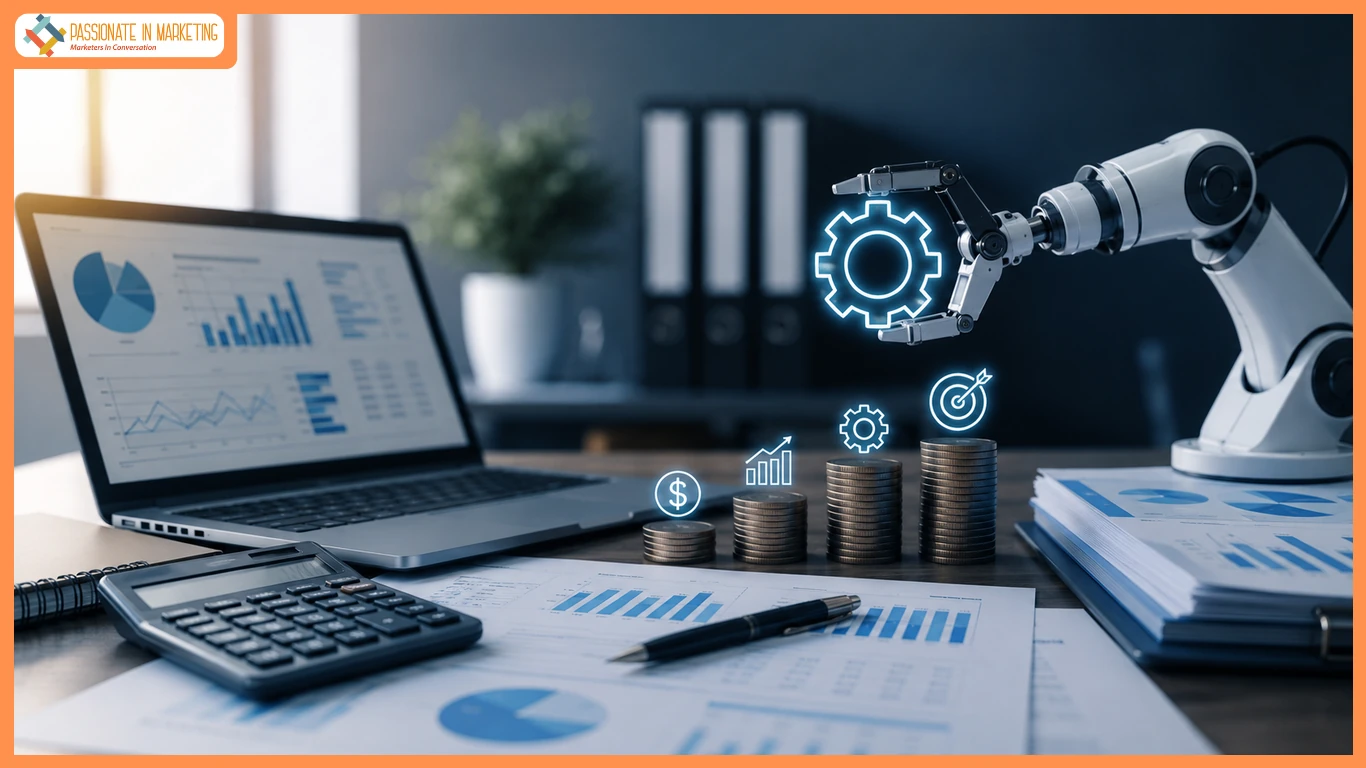
As businesses grow, managing finances manually becomes inefficient and error-prone. Business finance automation streamlines financial tasks, improves accuracy, ensures compliance, and supports growth. Choosing the right automation tools helps organizations boost efficiency, avoid costly mistakes, and scale operations with confidence.
Assessing Financial Processes and Identifying Automation Opportunities
Before adopting automation, businesses should review their financial workflows to identify repetitive, time-consuming tasks. Priority areas include accounts payable, receivable, payroll, invoicing, expense management, and reporting. Evaluating inefficiencies, integration needs, and potential return on investment helps organizations choose the right automation tools and measure their impact effectively.
Centralizing Financial Data for Better Visibility and Control
Finance automation centralizes data from multiple systems into a single dashboard, providing real-time visibility into cash flow, expenses, and revenue. This reduces manual data entry, improves accuracy, speeds up reporting, strengthens internal controls, and enables faster, data-driven financial decisions.
Using Accounting Software to Streamline Bookkeeping and Reporting
Traditional bookkeeping methods burden finance teams with repetitive data entry, manual calculations, and time-consuming reconciliation processes that drain productivity and introduce costly errors.
Modern accounting software eliminates these inefficiencies by automating transaction recording, categorization, and reconciliation workflows.
Cloud-based platforms like QuickBooks, Xero, and FreshBooks connect directly to bank accounts and credit cards, automatically importing and categorizing transactions in real-time. These systems generate financial statements, track expenses, and manage invoices without manual intervention.
Advanced features include automated payment reminders, multi-currency support, and customizable reporting dashboards that provide instant insights into financial performance. Integration capabilities extend functionality further, connecting accounting software with payment processors, payroll systems, and inventory management tools.
This interconnected ecosystem guarantees data consistency across platforms while reducing redundant data entry and minimizing reconciliation errors. Even accounting software for oil and gas companies is gaining traction in 2026.
Automating Invoicing Payments and Accounts Receivable
Automated invoicing and payment systems streamline revenue collection by sending bills, tracking payments, and reconciling transactions. Real-time dashboards help businesses manage cash flow and identify payment issues.
Improving Tax Workflows With Tax Engagement Letter Software
Tax preparation firms spend considerable time drafting, sending, and tracking engagement letters for each client relationship and service period.
Tax engagement letter software automates this workflow by generating customized agreements based on service templates, client data, and regulatory requirements. The software facilitates electronic delivery and signature collection, eliminating printing and mailing delays while maintaining compliance documentation.
Automated tracking monitors engagement status, sends reminders, and flags missing agreements. Integration keeps client data synchronized while maintaining historical records for audits.
Simplifying Expense Management Payroll and Reimbursements
Expense automation digitizes receipt capture, approvals, and reimbursements. It reduces delays, improves compliance, and provides audit trails while simplifying employee submissions.
Strengthening Cash Flow Forecasting and Budget Planning
Accurate financial forecasting helps businesses predict future cash flow using automated analysis of historical data and real-time accounting information. These tools identify trends, forecast cash shortages, automate budget tracking, and provide live dashboards, enabling faster, more informed financial decisions while reducing manual work and errors.
Protecting Financial Data and Maintaining Regulatory Compliance
Finance automation platforms enhance security with encryption, access controls, and audit trails while simplifying compliance through automated tax updates, reporting, and record-keeping. A scalable automation strategy starts with core financial processes, uses cloud-based solutions for flexibility, and includes staff training and performance tracking to improve efficiency, reduce errors, and support long-term business growth.
**’The opinions expressed in the article are solely the author’s and don’t reflect the opinions or beliefs of the portal’**

