


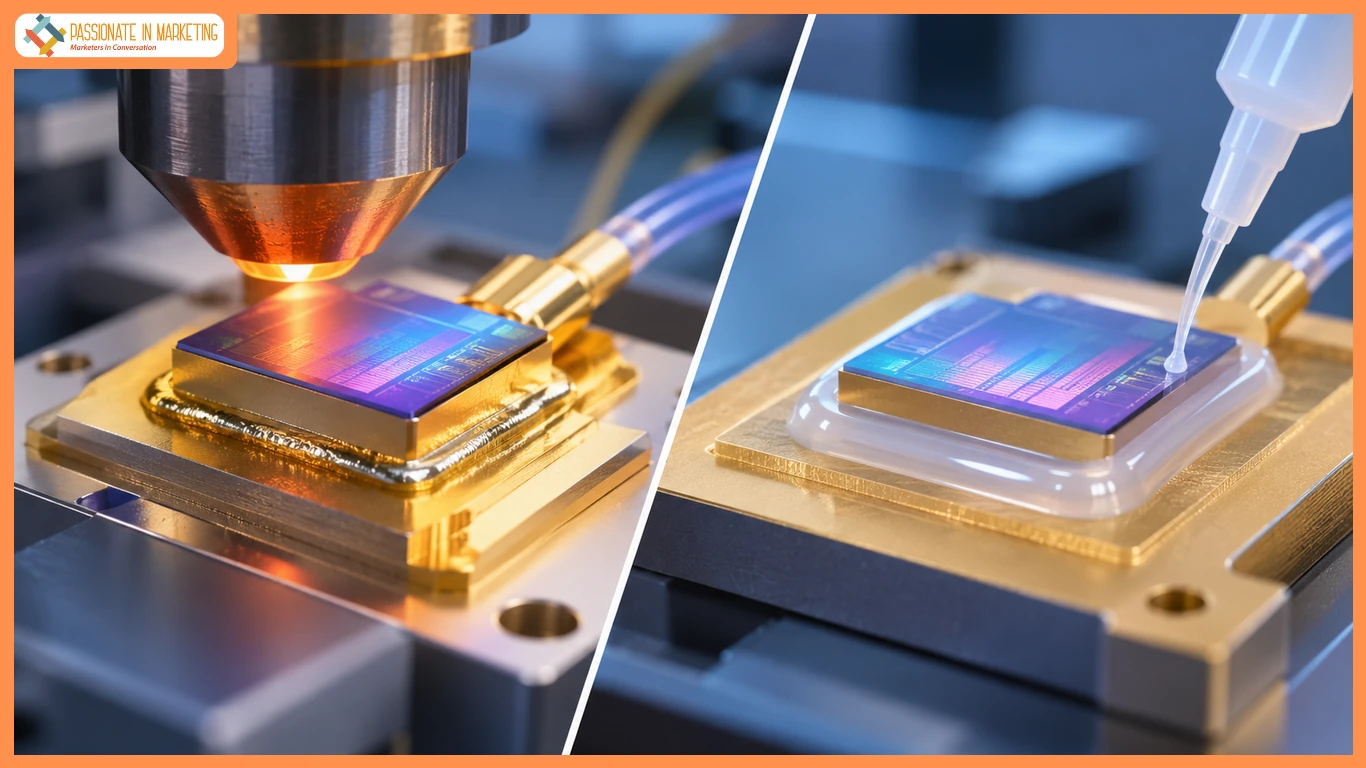
Eutectic die attach forms an alloyed joint using heat, while adhesive bonding uses a cured layer between the chip and mount. This choice affects thermal performance, current flow, cleanliness, alignment, storage, and repair. SUNWIN covers precision die attach, optical alignment, and bonding, but specific materials, processes, and performance must be confirmed against the approved drawing and quotation.
| Decision point | Eutectic Die Attach | Adhesive bonding |
| Joint | Alloyed interface | Cured adhesive layer |
| First check | Surface finish, heat, atmosphere | Storage, dispense, bond-line, cure |
| Thermal question | Alloy and substrate path | Grade, thickness, cure stability |
| Useful release record | Joint, void, alignment, electrical result | Dispense, cure, bond, electrical result |
I would use this table to prepare a supplier discussion, not to approve a process. SUNWIN’s optical communication assembly Choose eutectic die attach when the chip and substrate tolerate the heat and require strong thermal or electrical contact. Choose adhesive bonding when lower processing temperatures or joint compliance are priorities. Both require controlled cleanliness, alignment, inspection, and rework plans. Eutectic processes need heat and atmosphere controls; adhesive processes need shelf-life, dispense, bond-line, cure, and contamination checks.
SUNWIN’s optical transceiver PCBA information can support a scope review. In a quote, I would separate material, development, fixtures, inspection, rework, and qualification. Otherwise a lower unit price may simply contain more exclusions.
SUNWIN’s cleanroom supports die attach and bonding. Eutectic reliability checks focus on wetting, voids, die stress, and thermal cycling; adhesive checks include cure, bond-line thickness, moisture, outgassing, and delamination. Both require optical performance testing, traceability, and inspection records.
Supplier qualification should verify material lots, process records, defects, rework, and change control. The RFQ should specify chip finish, substrate, thermal and electrical targets, optical alignment, joint thickness, cleanliness, inspection, testing, and rework requirements. Compare both processes using the same criteria, and confirm SUNWIN’s specific capabilities and deliverables in its quotation.
Laser diode die attach requires precise optical alignment, controlled heating or curing, cleanliness, and verified thermal performance. SUNWIN can review the stack and inspection plan, while the OEM approves materials and acceptance limits.
The RFQ should define placement tolerances, thermal interfaces, process profiles, optical testing, sample plans, and rework authority, including wire-bonding sequence where relevant.
FAQs
- Is eutectic die attach always lower resistance? No. Results depend on materials, geometry, joint coverage, voids, and test conditions.
- What adhesive details are essential? Grade, storage, shelf life, dispensing, cure profile, bond-line thickness, outgassing, contamination, and rework.
- Can SUNWIN compare both methods? Yes, subject to the RFQ, approved materials, required tests, and a quotation detailing development, tooling, materials, alignment, and qualification.
**The opinions expressed in the article are solely the author’s and don’t reflect the opinions or beliefs of the portal**

