


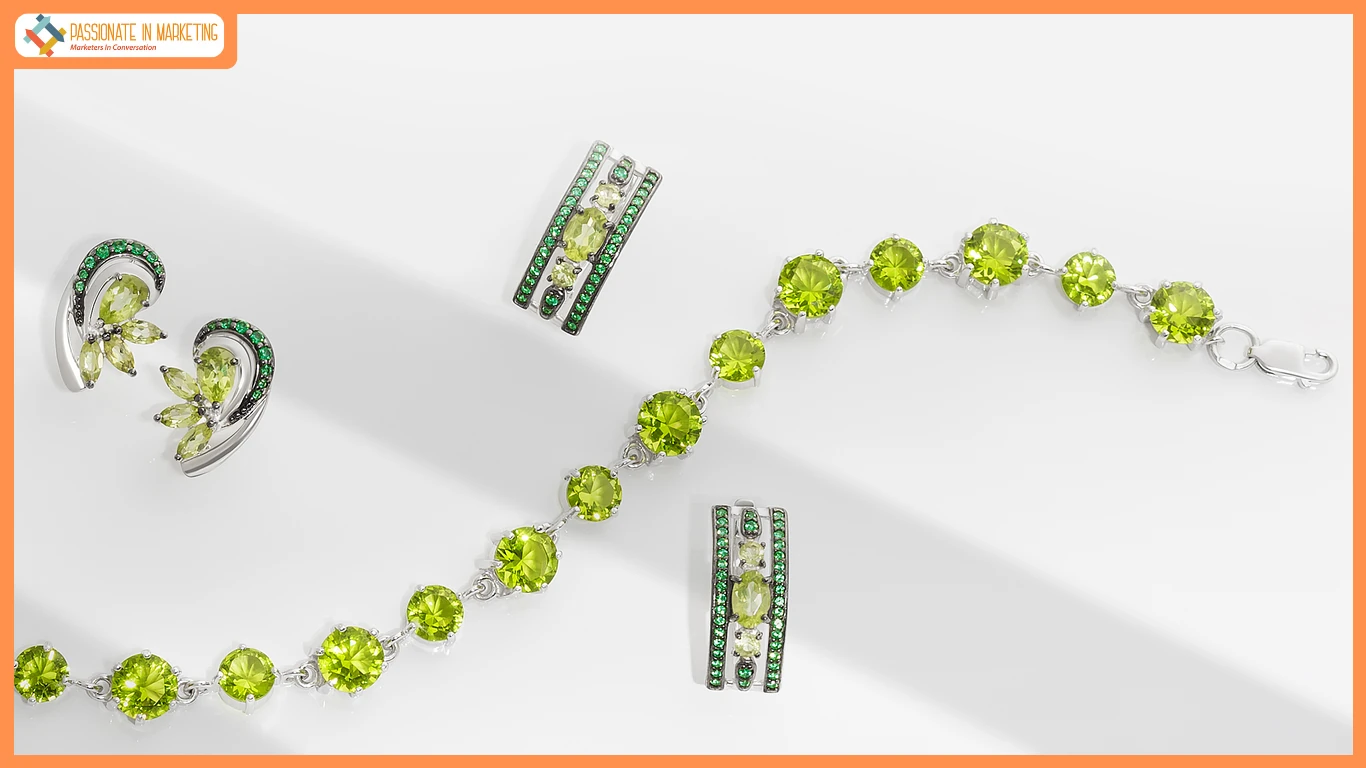
On a recent weekend in Bengaluru, 23-year-old Aditi scrolled through Instagram reels, paused at a video of a gold vermeil chain paired with stackable rings, and tapped ‘add to cart’. The set cost her ₹2,800, about the price of a night out with friends, and arrived at her hostel in two days. She didn’t ask about resale value, didn’t weigh purity, and didn’t even step into a jewellery store. The chain wasn’t meant to be an heirloom.
This small purchase says a lot about how India’s youngest buyers see jewellery today. For Gen Z, jewellery is no longer a one-time investment tied to weddings and inheritance. It is a fashion category that gets updated frequently, styled for Instagram, and priced to fit into a monthly budget. At the centre of this shift is demi-fine jewellery, pieces that bridge the gap between cheap costume accessories and the permanence of 22-carat gold.
Globally, the demi-fine jewellery market is projected to nearly double from USD 2.46 billion in 2024 to USD 4.65 billion by 2030, according to Grand View Research. India is expected to grow even faster, at 12 per cent annually. The fastest-rising segment is pieces priced under USD 150, or about ₹12,000. That is exactly the price point Gen Z can afford to buy, not once in a decade but several times a year.
That sweet spot has spawned a new wave of brands that look nothing like traditional jewellers. Bengaluru-based Giva (founded in 2019) sells silver and lab-grown diamond jewellery online, promoted heavily through influencer campaigns and Instagram drops. Palmonas, a young brand from Pune, leans on micro-influencers and capsule launches that regularly sell out within hours. Rubans, which started with fashion accessories, has built a sizable demi-fine following on marketplaces. Even Nykaa, the online beauty retailer, jumped in by acquiring Pipa Bella in 2021, folding jewellery into its lifestyle play.
These upstarts are changing not only what jewellery looks like but also how it is bought. Discovery happens on social media, often via reels and user-generated content. Transactions happen through D2C websites or Instagram shops. Designs are inspired by global trends, turned around quickly, and sold in limited runs. The cadence is closer to fast fashion than fine jewellery. The consumer loop is simple: see it on a feed, save it, buy it, post it back.
Legacy jewellers have noticed. Titan’s Mia line of lightweight gold and diamond designs was one of the earliest attempts to appeal to younger women with everyday pieces. But the pace of change is hard for incumbents to match. For decades, jewellery retail was built on high-value purchases, strong margins, and a few designs carried for years. Demi-fine demands speed, variety, and lower price points, a completely different muscle. For many, the faster route is to acquire startups that already understand the new buyer. Nykaa’s Pipa Bella deal was a signal that such consolidation has begun. More acquisitions are likely.
The opportunity is large. India’s demi-fine jewellery market is valued at about USD 238 million in 2024 and could almost double by 2030. At the same time, the lab-grown diamond segment is booming, projected to quadruple in value by 2035. That aligns perfectly with Gen Z’s twin priorities of affordability and ethics. A growing share of young consumers are comfortable with lab-grown stones and recycled metals, seeing them as both sustainable and stylish. For them, the value of jewellery is not in its resale price but in the story it tells when worn.
That shift also brings tension. Buyers still worry whether a ₹3,000 vermeil ring will tarnish in six months or whether a lab-grown diamond counts as ‘real’. Startups walk a thin line on margins, balancing quality and affordability. Go too high and they lose the ‘everyday luxury’ positioning. Go too low and they risk being dismissed as fast-fashion trinkets.
Still, the trajectory is clear. In beauty and fashion, the same cycle has played out. D2C startups capture young buyers, scale fast, and either grow into big brands or get acquired by incumbents. Jewellery, once considered the most traditional of categories, is entering that cycle now. The difference is that the stakes are higher. Unlike lipsticks or handbags, jewellery has always carried cultural weight in India, creating both a challenge and an opportunity for startups. They must redefine what jewellery means for a new generation without losing the trust that has anchored the category for centuries.
The change is already visible. For Aditi in Bengaluru or Riya in Mumbai, jewellery is not locked away in a locker until marriage. It is an accessory bought on a whim, styled for a post, layered with jeans and tees, and replaced when the next collection drops. What was once a marker of family wealth is now a marker of personal identity. And it is the nimble Instagram-born brands, not the heritage jewellers, that are leading that transformation.
Whether these startups grow into household names or get folded into larger conglomerates remains to be seen. But one thing is certain. The future of Indian jewellery will not glitter only with 22-carat gold. It will shine in demi-fine chains and rings, bought one tap at a time.

