


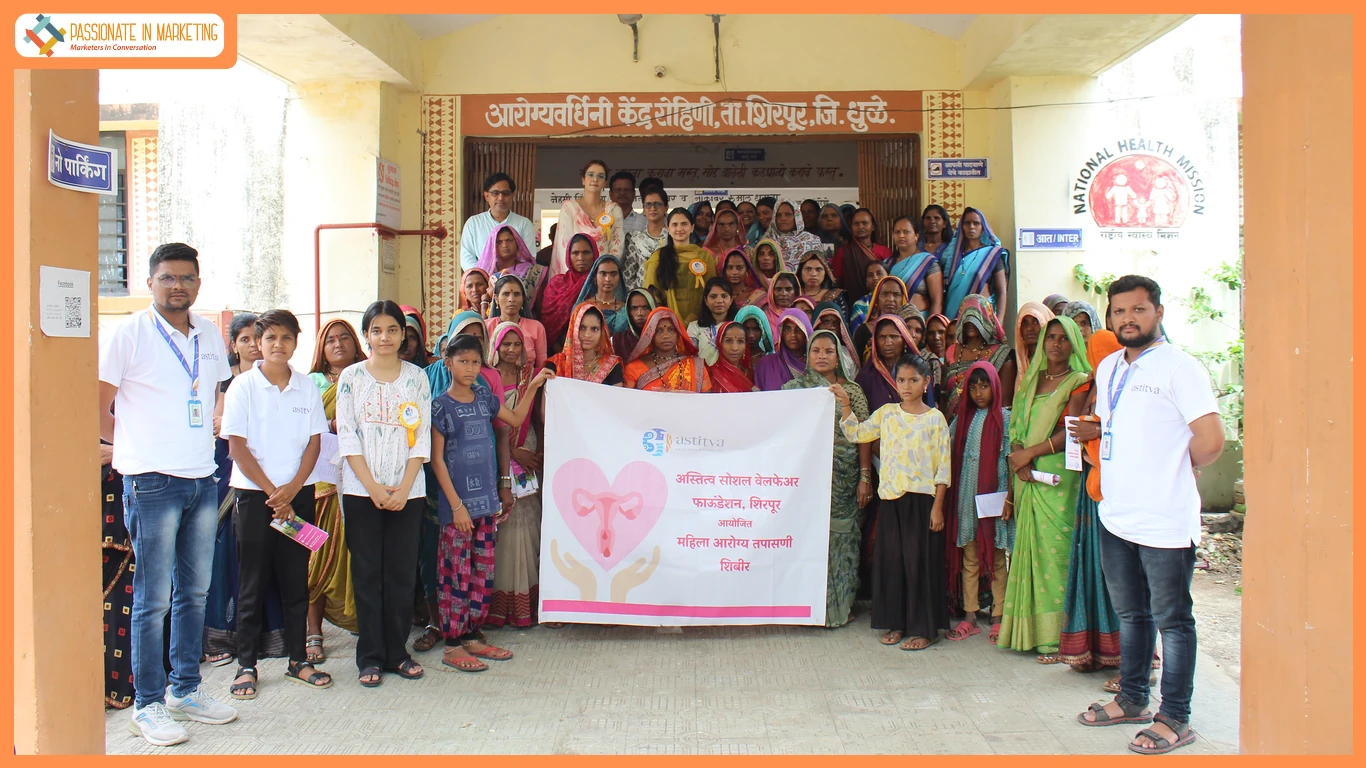
Maharashtra, India: As Maharashtra celebrates its foundation day, a small village near Shirpur is offering a powerful narrative of progress—where tradition is evolving with science, and communities are taking charge of their future through informed choices.
In a quiet yet transformative shift, age-old matrimonial traditions here are being redefined, not by horoscopes or kundlis, but by health cards.
In this unique community-led practice, red and green cards indicating sickle cell status have become a decisive factor in marriage compatibility. The system is simple yet powerful: individuals carrying two green cards are not matched, while red and green card pairings are considered acceptable. This approach is designed to significantly reduce the risk of children being born with sickle cell disease, a serious genetic blood disorder prevalent among tribal populations in Maharashtra.
What makes this model particularly compelling is its grassroots origin. Driven by sustained awareness campaigns and screening initiatives, the practice has organically evolved into a social norm, where informed health choices are influencing deeply personal and cultural decisions like marriage.
Recent screening efforts in the region have highlighted the urgency of such interventions. Across multiple camps conducted in nearby areas, over 400 individuals were screened, with more than 200 identified as carriers and 180 diagnosed with the disease. These numbers underscore the scale of the challenge and the importance of preventive approaches rooted in community participation.
Beyond detection, these initiatives have also focused on counselling, access to medication, and continuous support for affected individuals. The integration of health awareness into social practices marks a significant shift, transforming communities from passive recipients of healthcare to active participants in disease prevention.
Emphasising the need for collective action to tackle sickle cell disease, Dweta Patel, Director, Astitva Social Welfare Foundation, a key force behind the initiative, said, “This initiative is not the effort of one individual but a collective movement shaped by the community, healthcare workers, and volunteers working tirelessly on the ground. What we are witnessing today is the power of awareness translating into action, where people are making informed decisions not just for themselves but for future generations. The red and green card system is a reflection of trust, education, and shared responsibility. Our aim has always been to support those in need, ensure early detection, and build a healthier society. When communities come together like this, real and lasting change becomes possible.”
This evolving matrimonial system stands at the intersection of public health, culture, and social reform. It demonstrates how awareness, when combined with collective action, can lead to meaningful behavioural change without disrupting the social fabric.
As this model continues to grow, it carries a larger vision of communities empowered with knowledge, making choices that can prevent suffering before it begins. By embedding awareness into everyday decisions, this initiative points toward a future where diseases like sickle cell no longer define lives, and where generations are born healthier, freer, and with greater hope.

