


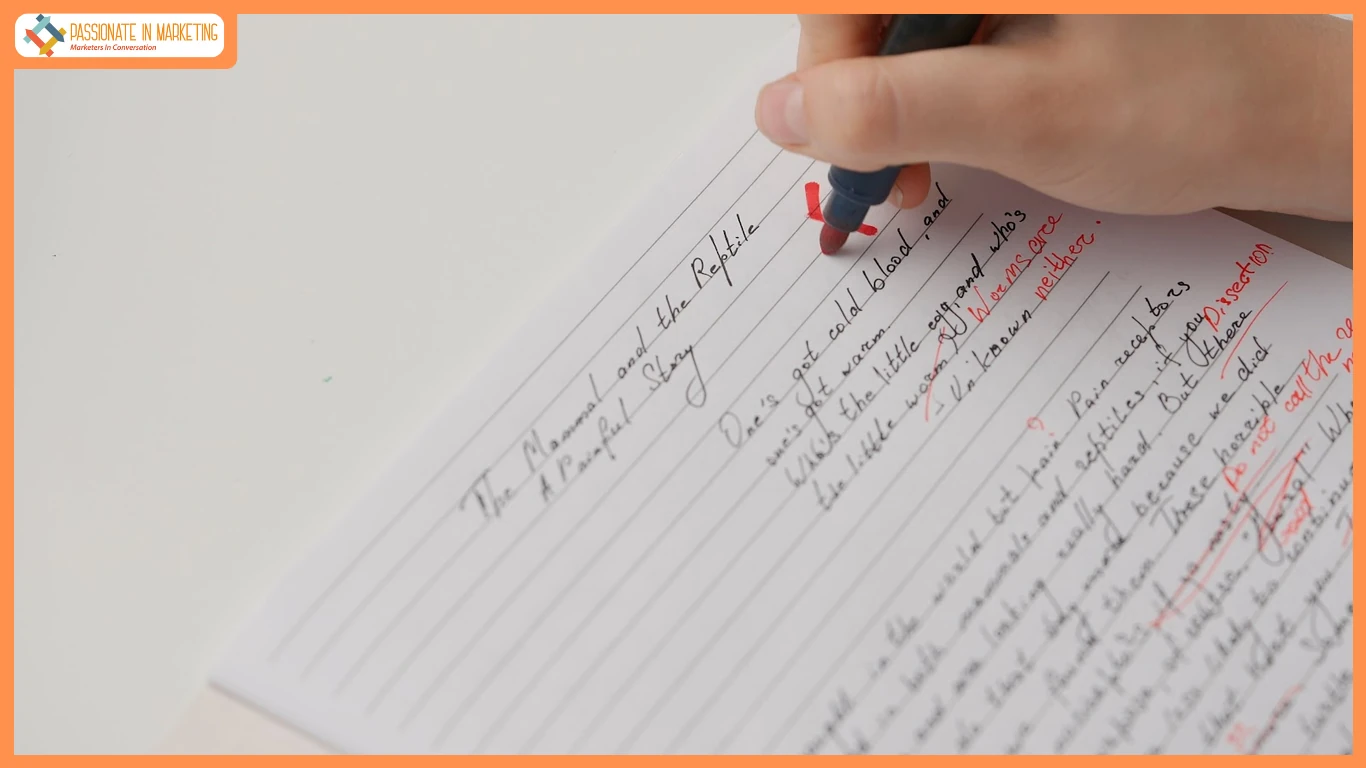
Anyone who has taught writing knows the feeling. You have a stack of essays sitting on your desk, a gradebook waiting to be updated, and about thirty other things demanding your attention. Giving each student the kind of thoughtful, specific feedback they deserve takes serious time, and most teachers simply do not have enough of it. That tension between quality and capacity is one of the biggest challenges in writing instruction today, and it is exactly the problem that technology is beginning to solve.
The Feedback Problem Nobody Talks About Enough
Feedback is supposed to help students grow. But when a teacher is responsible for 150 students across multiple classes, the feedback they can realistically provide on any given essay tends to be brief. A few margin notes, a final comment, a grade. Students often read that feedback once, if at all, and rarely understand how to apply it to their next piece of writing. The result is a cycle where writing instruction happens in theory but growth happens slowly, if at all.
This is not a failure of teachers. It is a structural problem. There are only so many hours in a day, and grading is just one of dozens of responsibilities competing for a teacher’s attention. What writing instruction has needed for a long time is a way to scale quality feedback without burning out the people delivering it.
What AI Actually Does When It Grades an Essay
It helps to understand what is happening under the hood when an AI evaluates a piece of student writing. These systems are trained on enormous amounts of text and are designed to recognize patterns related to structure, argument quality, grammar, vocabulary, and coherence. When a student submits an essay, the AI analyzes it against those patterns and generates feedback based on what it finds.
A good essay grader AI does not just flag grammatical errors. It can assess whether a thesis is clearly stated, whether body paragraphs support the central argument, whether transitions are working, and whether the writing demonstrates an appropriate level of complexity for the assignment. That kind of multi-dimensional feedback is exactly what students need to improve, and it is the kind that takes a human teacher the most time to produce.
How Feedback Quality Actually Improves
One of the counterintuitive things about AI-assisted grading is that it often leads to better feedback, not worse. When teachers are no longer spending the majority of their time on surface-level corrections, they can focus their energy on the deeper issues: the student who consistently avoids taking a clear position, the one who has strong ideas but cannot organize them, the one who writes beautifully but never supports a claim with evidence.
AI handles the repeatable, pattern-based parts of feedback well. Teachers handle the human, contextual parts better. When both are working together, students end up receiving feedback that is both more consistent and more meaningful. Consistency matters more than most people realize. Students benefit enormously from knowing that their work is being evaluated against the same standard every time, rather than against a rubric that shifts depending on how tired the grader is.
Speed Without Sacrificing Substance
Time is where the practical value of AI grading becomes most obvious. Essays that would take a teacher an hour to work through in a single sitting can be processed in a fraction of that time. For a teacher managing multiple sections, this change is not minor. It is transformative.
But speed is only useful if it does not come at the cost of substance, and this is where the design of these tools matters. The best AI grading platforms generate detailed feedback reports that address specific elements of the writing, not generic comments that could apply to any essay.
They allow teachers to customize rubrics so the feedback reflects the actual goals of a given assignment. And they give teachers the option to review and adjust AI-generated feedback before it reaches students, keeping the teacher in the loop rather than removing them from the process entirely.
This kind of workflow also opens the door to more frequent low-stakes writing assignments. When grading is less burdensome, teachers can assign more writing without dreading the workload. More writing practice, with consistent feedback, is one of the most reliable ways to improve student outcomes over time.
Supporting Students Beyond the Classroom
Writing improvement does not only happen during class time. Students who want to get better often look for resources they can use on their own, outside of formal instruction. The growth of AI study tools has made it easier than ever for students to get support with reading comprehension, note-taking, summarizing, and writing skills between assignments. When teachers integrate AI grading into their workflow, they become part of a broader ecosystem of learning support that follows students wherever they study.
This matters because feedback is only as useful as a student’s ability to act on it. If a student receives a detailed report on a Tuesday and has no idea how to address the issues raised before their next draft is due on Friday, the feedback loses much of its value. Tools that help students understand and apply feedback independently give that feedback a longer shelf life.
Rethinking How Educators Talk About AI in Schools
There is still a lot of anxiety in education about AI. Some of it is warranted. Concerns about academic integrity, about the quality of AI-generated writing, and about over-reliance on technology are legitimate and worth taking seriously. But the conversation has sometimes moved faster than the evidence, with strong opinions forming before educators have had a chance to see what these tools actually do in practice.
Part of changing that conversation involves better communication. Schools and educational publishers that want teachers and administrators to genuinely engage with AI tools need to think carefully about how they present them. Understanding Brand strategies with mindgrasp and similar approaches to educational content marketing shows that how a tool is introduced to an audience matters as much as what the tool actually does. Trust is built through transparency, real examples, and honest acknowledgment of limitations, not through hype.
What This Means for the Future of Writing Instruction
AI is not going to replace writing teachers. Good writing instruction requires relationship, intuition, and an understanding of individual students that no algorithm can replicate. What AI can do is take over the parts of grading that are repetitive and time-consuming, so teachers can spend more of their energy on the parts that actually require a human.
The classrooms that figure out how to use these tools well are likely to produce stronger writers, not because the AI is doing the teaching, but because teachers in those classrooms have more time to actually teach. That is the real promise of AI-assisted grading, and it is one that is already being realized in schools that have made the shift.
Conclusion
Feedback is the engine of writing improvement, but it only works if students receive it consistently and in enough detail to act on. For too long, the practical limits of teacher time have made that kind of feedback the exception rather than the rule. AI grading tools are changing that equation in ways that benefit both teachers and students.
The technology is not perfect, and it works best as a complement to human judgment rather than a replacement for it. But for teachers who are serious about improving student writing outcomes without running themselves into the ground, it is a resource worth understanding.
**’The opinions expressed in the article are solely the author’s and don’t reflect the opinions or beliefs of the portal’**

