


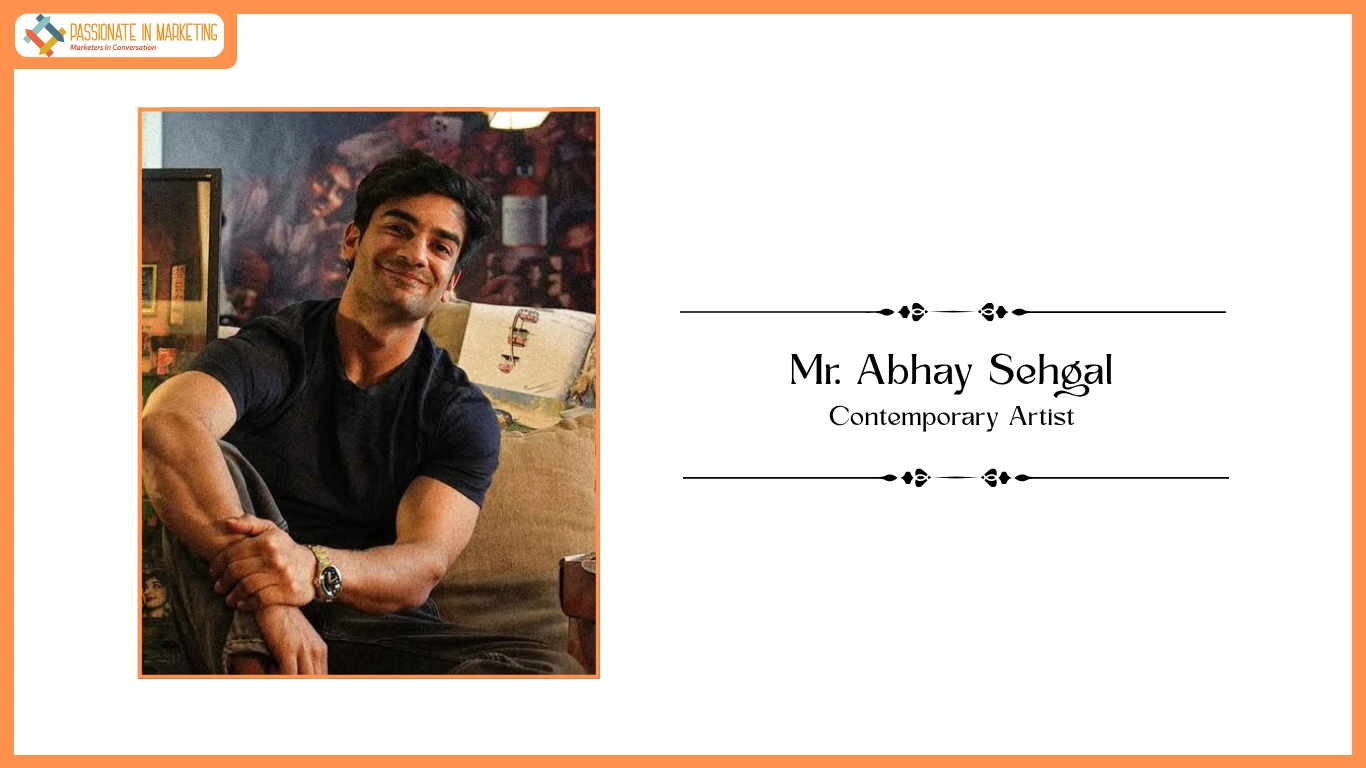
- Your work often feels emotionally immersive and cinematic. What usually sparks the beginning of a new piece for you?
Most of my works begin with a triggering thought, an incident, or even a fleeting visual that stays with me. What fascinates me is how one moment can unlock hundreds of interconnected thoughts and emotions that I wasn’t consciously aware of. The process then becomes an attempt to capture that emotional web through imagery. Sometimes it’s inspired by everyday spaces, a movie scene, a conversation, or even a feeling I can’t fully explain. I think that’s what gives the work its emotional and cinematic quality it isn’t about a single moment, but everything that moment awakens within you.
- How do you approach storytelling through still imagery without relying heavily on explanation or text?
I don’t consciously try to explain a story through text. My focus is on being honest about why I’m creating a piece and staying rooted in that emotion or idea. When the visual language is strong enough, viewers naturally find their own entry point into the work. The interesting thing is that every viewer brings their own experiences into the work. Just like the Eiffel Tower doesn’t mean the same thing to everyone, an artwork can hold completely different meanings for different people, depending on their memories and experiences. Mood, colour theory, atmosphere, and composition become the tools that guide those interpretations without needing words For me, the strongest storytelling happens when the audience completes the narrative themselves.
- Your visual language resonates strongly with younger audiences online. Why do you think people emotionally connect with your work today?
I think it’s because I’m experiencing many of the same uncertainties, ambitions, and emotions that people my age are navigating. As a 28-year-old artist, I’m still figuring things out, and my work reflects that journey rather than presenting finished answers. I’m simply documenting my experiences, observations, and questions through visual art. A lot of people see parts of their own lives and own set of emotions. At the end of the day, I’m just a kid sharing what he’s experiencing, and I think that thing resonates.
- Social media has transformed the way art is consumed. Has digital visibility changed the way you think about creating or presenting your work?
Yes, definitely. I think it depends on where your career starts. If your journey as an artist begins through social media, it naturally changes the way you think about presenting your work. If I had started purely offline without any digital presence, I would probably be exploring much wider themes and much crazier concepts because I wouldn’t have immediate feedback from an audience.
Social media gives you direction. It tells you what people are connecting with, and while you can still experiment, you also have to be mindful of that direction to sustain yourself. Unlike artists who are backed by established galleries and collectors, you can’t assume that anything you create will automatically find a buyer.
I don’t think it’s a limitation it’s just a completely different journey. When you grow online, every artwork is being watched, discussed, and judged in real time. That’s very different from operating in traditional art circles where the audience is much smaller and often disconnected from the day-to-day process. Digital visibility doesn’t stop experimentation, but it definitely shapes the way you evolve as an artist.
- What role does atmosphere and mood play in your compositions compared to narrative or symbolism?
For me, atmosphere and mood play a huge role because they often become the emotional foundation of the work. Interestingly, my personal emotions and my artworks don’t always move in the same direction. When life feels stable and positive, I often create darker, more introspective pieces. When I’m going through something difficult, I sometimes find myself creating brighter works. I think art is closely connected to aspiration, it often reflects what we’re emotionally searching for rather than what we’re currently experiencing. Mood becomes the bridge between the artist and the viewer.
- Your pieces often carry a quiet emotional tension. Are those emotions drawn more from observation, imagination, or lived experience?
It’s really a combination of all three. As you grow older, your experiences become more layered, your responsibilities increase, and your observations become sharper. All of those things create a certain emotional weight that naturally finds its way into the work. Sometimes a piece begins with something I’ve lived through, while other times it comes from observing the world around me or imagining alternative perspectives. The emotional tension comes from trying to process all those influences visually.
- How do you balance technical precision with instinctive creativity while working on a piece?
For me, they happen at different stages of the process. When I’m developing a concept, I don’t think much about skill or execution. I focus entirely on ideas, emotions, and possibilities. Once the concept becomes clear, your skills takes over. At that stage, precision is important because it helps bring the vision to life exactly as intended. Creativity creates the blueprint, and skills helps build it. I don’t see them competing with each other; they’re simply different parts of the same process.
- Many of your works feel open-ended and interpretive. Do you intentionally leave emotional space for viewers to create their own narratives?
It’s not something I intentionally design into the work. I think it comes from the fact that many of the questions I’m exploring don’t have clear answers for me either. I’m often responding to curiosities, emotions, or situations that are still unfolding in my own life. When an artwork begins with a genuine question rather than a fixed conclusion, viewers naturally bring their own interpretations to it. The openness comes more from curiosity than strategy.
- Are there filmmakers, musicians, writers, or cultural movements that have significantly shaped your artistic sensibility?
Not really but The Renaissance movement had a huge impact on me as an artist. It was one of the first art movements I was exposed to in school, and it completely changed the way I thought about visual expression. What fascinated me wasn’t just the technique, but the emotional intensity behind the work. People were creating art in response to the realities of their time, and those emotions felt incredibly raw and honest. Our lives today are much more comfortable and lighthearted compared to those periods of history, so I don’t think we can ever truly recreate the Renaissance. But I do believe that if you choose to look deeper into your own experiences and emotions, you can create that same level of depth and expression in your own way. That’s something I’ve always carried with me.
- What challenges do contemporary artists face today in maintaining individuality within fast-moving visual culture?
The biggest challenge is resisting the pressure to create purely for visibility or immediate success. Visual culture moves incredibly fast, and trends change constantly, which can make it difficult for artists to develop a unique voice. I believe finding your own visual language is more important than following what’s popular. The challenge is that so much has already been explored historically and culturally. Developing something that feels genuinely personal requires patience, experimentation, and the willingness to evolve over time.
- What do you think contemporary Indian artists are contributing uniquely to the global art conversation right now?
I think contemporary Indian artists are moving beyond traditional representations of history and religion and exploring how they experience the world from their own perspective. There’s a growing confidence in blending cultural memory, personal identity, pop culture, and contemporary life into new visual languages. What’s exciting is that artists are no longer choosing between tradition and modernity they’re combining both. That creates a unique perspective that feels distinctly Indian while still resonating globally.
- As your artistic journey evolves, what emotional or conceptual territories are you most interested in exploring next?
I can’t really predict my artistic journey too far ahead. Most of my work comes from responding to whatever life presents in a particular moment. New experiences, emotions, and questions naturally shape the direction of the work. That’s one of the things I love most about being an artist—you never know what idea or experience might completely change your perspective. Rather than pursuing a predetermined theme, I prefer allowing the journey itself to guide what comes next.

