


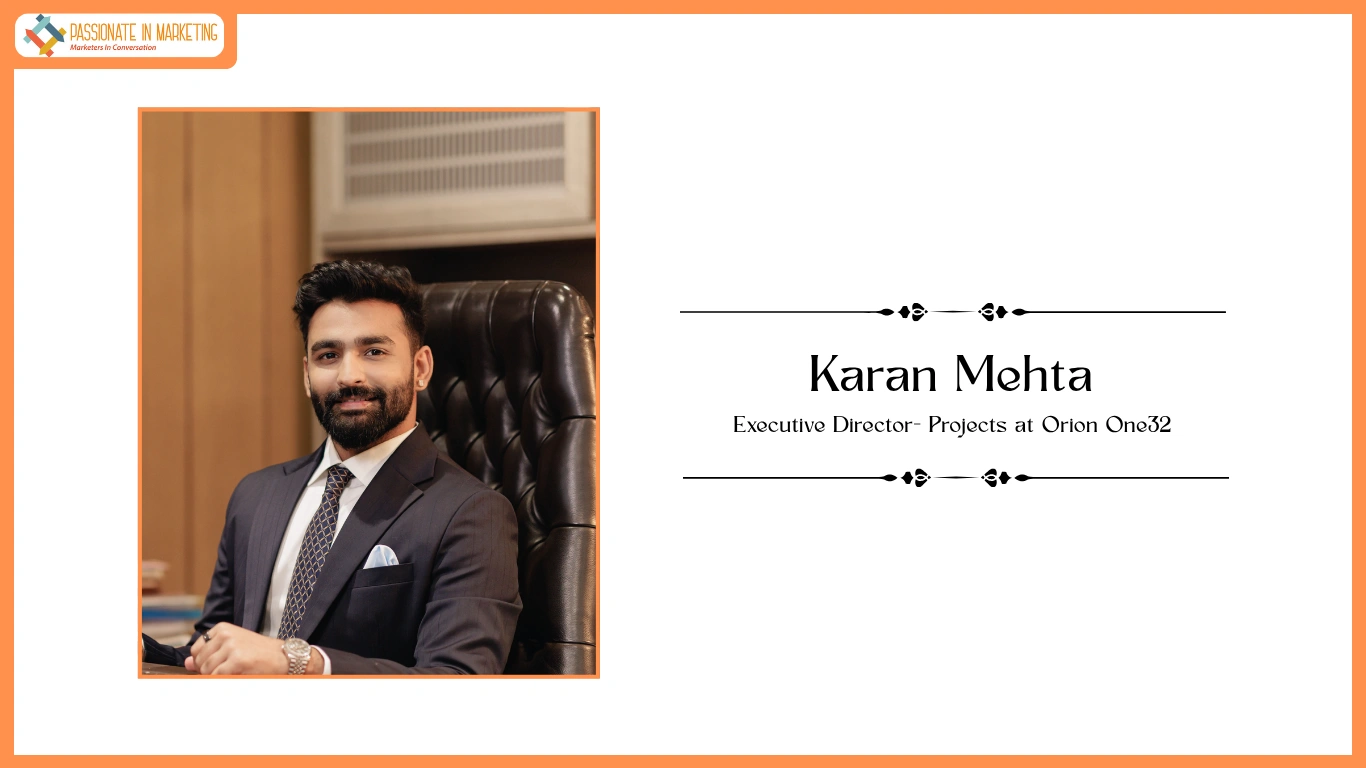
- The way Indians view real estate is evolving rapidly, with homebuyers now prioritising lifestyle, long term value, and future growth. How are you seeing this shift influence the projects you lead today?
Today’s homebuyers are far more informed than ever before. They are not just buying a property, they are investing in a lifestyle and a long term future. Factors such as connectivity, infrastructure, quality of design, and the overall experience have become just as important as the location itself.
As an architect and developer, this has changed the way I look at every project. It is no longer enough to build good spaces. We have to create communities that continue to add value for years to come. I believe the future belongs to projects that combine thoughtful design, strong infrastructure, and a clear long term vision.
- Buyers today are far more design conscious and experience driven than ever before. How is modern real estate development adapting to these changing expectations?
Today’s buyers expect much more than four walls. They want spaces that are functional, thoughtfully designed, and enhance the way they live and work. Good design is no longer considered a luxury. It has become an expectation.
I believe modern real estate has to focus on creating experiences rather than just buildings. This means paying attention to natural light, open spaces, amenities, technology, and how people interact with their surroundings. As someone with an architectural background, I have always believed that great design should improve everyday life. Developers who understand this shift will continue to create projects that remain relevant for years to come.
- In an industry where speed, quality, and scale define success, what do you believe separates future ready developers from the rest?
I believe future ready developers are those who think beyond the next project. They focus on creating long term value rather than short term gains. It is about balancing quality with timely execution while also embracing technology, innovation, and changing customer expectations.
Most importantly, they are willing to adapt. The real estate industry is evolving rapidly, and developers who continue to learn, innovate, and build with a long term vision will be the ones who lead the future of the sector.
- Sustainability has become central to conversations around real estate development. How do you see environmentally responsible building practices shaping the future of the sector?
Sustainability is no longer an option. It is becoming a responsibility. As developers, we have to think beyond construction and consider the long term impact our projects have on people and the environment.
Simple decisions such as energy efficient buildings, better use of natural light, water conservation, and thoughtful planning can make a significant difference. I believe the future of real estate will be defined by projects that are not only well designed but also environmentally responsible. Sustainable development creates long term value for both the community and the project itself.
- Technology is transforming every industry, from AI driven planning to smarter construction practices. How do you see innovation redefining project development today?
Technology is changing the way we design, build, and manage projects. From AI enabled planning and smart buildings to better project management and construction techniques, innovation is helping developers make faster and more informed decisions.
I believe technology should not replace people. It should empower them. When used correctly, it improves efficiency, enhances quality, and creates a better experience for everyone, from developers to end users. The projects that embrace innovation today will be the ones that remain relevant tomorrow.
- There has been a significant shift in how people think about workspaces, communities, and everyday living in recent years. How has this influenced development priorities across projects?
People today are looking for convenience, flexibility, and a better quality of life. They want spaces where they can work, meet, relax, and spend time without travelling across the city.
This has encouraged developers to think beyond individual buildings and focus on creating complete ecosystems. Mixed use developments, wellness spaces, and thoughtfully planned communities are becoming increasingly important because they reflect the way people live today. I believe real estate should adapt to changing lifestyles, not expect people to adapt to buildings.
- In an increasingly competitive market, what does it take today to create projects that remain relevant and valuable well beyond their launch?
The key is to build with a long term vision rather than chasing short term trends. A successful project should be able to adapt to changing lifestyles, technology, and market needs even years after it is completed.
I believe thoughtful design, quality construction, strong infrastructure, and the right location will always stand the test of time. More importantly, developers need to create spaces that people genuinely enjoy using. When a project continues to add value to its users long after launch, that is when it becomes truly successful.
- Urban India is expanding at an unprecedented pace. In your view, what are the biggest opportunities and challenges developers face while building for the cities of tomorrow?
India’s rapid urban growth presents an incredible opportunity to create smarter and more sustainable cities. With new infrastructure, metro networks, and projects like the Jewar International Airport, there is immense potential for well planned development.
At the same time, developers face challenges such as rising costs, environmental regulations, infrastructure planning, and changing customer expectations. I believe the developers who succeed will be those who balance growth with responsibility and build projects that create lasting value for both the city and its people.
- Consumers today place greater trust in developers who prioritise transparency and timely delivery. How important has trust become in shaping the future of the industry?
Trust is one of the most valuable assets a developer can have. Buyers are making long term investments, so they want confidence that a project will be delivered as promised.
I believe transparency, honest communication, and timely execution are just as important as good design and construction quality. In today’s market, reputation is built over years but can be lost in moments. Developers who consistently earn the trust of their customers will always have a stronger foundation for long term success.
- Looking ahead, what major trends do you believe will define the next decade of Indian real estate, and how is the industry preparing for that future?
I believe the next decade of Indian real estate will be shaped by technology, sustainability, and integrated developments. Buyers are looking for smarter buildings, better experiences, and projects that offer long term value rather than just physical space.
India’s infrastructure growth, particularly around emerging hubs like the Jewar International Airport, will also create new opportunities for development. As an industry, we need to think ahead and build projects that are adaptable, environmentally responsible, and designed for the way people will live and work in the future. The developers who embrace change today will be the ones leading tomorrow.

