


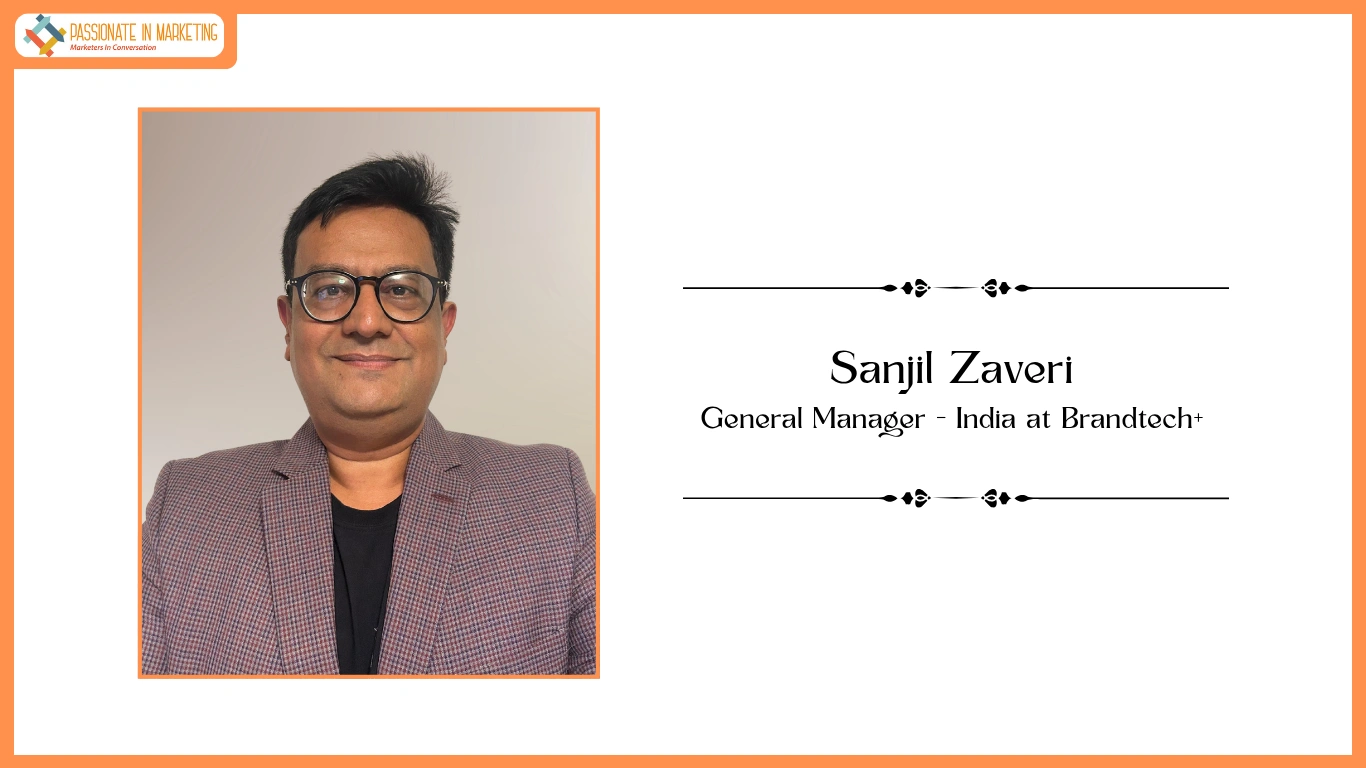
1. Rising fuel and LPG costs are reshaping household and business economics, how do you see these factors influencing workplace models in India?
Rising fuel and energy costs are no longer just household challenges, they are structural economic forces shaping how and where work happens in India. For employees, higher commuting and living costs materially impact disposable income. For businesses, they increase the total cost of operating physical workplaces and on-ground production.
As a result, workplace models are shifting from rigid attendance-based norms to more economically sensitive, human-centric designs. In India, this has accelerated optimized office attendance, hub-and-spoke models, and intentional in-person collaboration where offices are used for moments that truly add value.
At Brandtech+, we see workplaces evolving from places of routine attendance to places of purpose designed to enable creativity, collaboration, and connection without adding unnecessary financial or personal strain.
2. In what ways are increasing commute and travel expenses accelerating the shift toward hybrid and remote work structures?
Commute costs have become a meaningful line item in an employee’s monthly budget especially in large metros such as Mumbai, Bengaluru, and Delhi NCR. Hybrid work today is not just about flexibility or convenience; it is about economic sustainability for the workforce.
Organizations are responding by reducing unnecessary travel, limiting fixed in-office days, and designing hybrid models that protect collaboration while respecting employee realities. The emphasis has shifted decisively from where work happens to how effectively and responsibly it happens.
This shift has also expanded access to talent beyond traditional metros, enabling more inclusive and geographically diverse hiring models.
3. How are organizations balancing cost pressures with employee expectations for flexibility in today’s evolving work environment?
The balance lies in trust, clarity, and intentional design.
Forward-looking organizations are moving away from one-size-fits-all mandates and embracing role-based and team-based flexibility. Office footprints are being optimised, while investments are redirected toward collaboration tools, learning, and wellbeing.
At Brandtech+, flexibility is anchored in clear performance expectations, strong leadership communication, and outcome-driven accountability. Cost pressures are real but when flexibility is designed well, it strengthens productivity, engagement, and retention rather than diluting performance.
4. Do you believe hybrid and remote work are becoming long-term structural shifts rather than temporary post-pandemic trends? Why?
Absolutely. Hybrid and remote work are now structural realities, not temporary adjustments.
The pandemic accelerated a shift that was already underway driven by technology maturity, global talent access, and evolving workforce expectations. What we are seeing now is not experimentation, but refinement: organizations embedding flexibility into long-term operating models rather than treating it as a reactive policy.
The future is not fully remote or fully office-based, but thoughtfully hybrid where physical presence is intentional and value-led.
5. How is the rise of distributed teams changing the way global brands approach productivity, collaboration, and accountability?
Distributed teams have fundamentally changed the definition of productivity. Presence is no longer a proxy for performance.
Global brands are shifting toward:
- Outcome-based measurement rather than activity tracking
- Strong asynchronous workflows and documentation
- Clear ownership, milestones, and accountability
Collaboration is being reimagined through rituals, tools, and leadership behaviours that bridge time zones and cultures. Done right, distributed teams foster more inclusive, resilient, and scalable operating models.
6. From a business continuity perspective, how critical is the adoption of distributed workforce models in today’s unpredictable environment?
Distributed workforce models are now a core pillar of business continuity.
Whether facing geopolitical uncertainty, climate disruptions, infrastructure challenges, or talent availability constraints, organizations that can operate seamlessly across locations are inherently more resilient. For global businesses, distributed teams are no longer a backup, they are a strategic enabler of continuity, agility, and speed.
7. India is increasingly positioned as a global hub for creative, tech, and AI-led marketing talent, what key factors are driving this shift?
India’s rise as a global marketing and technology hub is driven by a powerful convergence of:
- Deep creative, engineering, and AI talent pools
- A strong digital-first and experimentation mindset
- Rapid adoption of AI and automation
- Cost efficiency combined with scale and quality
India is no longer viewed as an execution centre alone, it is increasingly a strategic, innovation-led partner for global brands.
8. How is Brandtech+ leveraging India’s talent ecosystem to support global clients and scale creative production?
At Brandtech+, India is a critical pillar of our global delivery and innovation ecosystem.
Our India teams:
- Scale high-quality creative production at speed
- Power AI-enabled content, design, and marketing workflows
- Work as deeply embedded partners with global teams across time zones
This is not an offshore support model. Our India talent contributes meaningfully to strategy, creativity, and innovation, shaping outcomes for global clients.
9. How have hybrid and remote work models impacted working mothers in terms of career continuity, flexibility, and growth?
Hybrid work has been a meaningful enabler for working mothers supporting career continuity during key life stages and reducing the friction between professional and personal responsibilities.
When paired with inclusive leadership and unbiased evaluation systems, flexible models allow working mothers to remain deeply engaged, grow into leadership roles, and sustain career momentum without compromising impact.
10. What more can organizations do to build truly inclusive workplaces that enable working mothers to thrive in leadership roles?
True inclusion extends well beyond policy.
Organizations must focus on:
- Outcome-based performance evaluation
- Bias-free promotion and leadership pathways
- Flexible and supported return-to-work frameworks
- Leadership behaviours that normalise flexibility rather than penalise it
When flexibility is embedded into culture not treated as an exception working mothers can thrive without trade-offs.
11. Looking ahead, how do you see the future of work evolving in India’s marketing and tech sectors over the next 3–5 years?
Over the next few years, India’s marketing and tech sectors will be defined by:
- Deep integration of AI into creative and delivery workflows
- More fluid, borderless global collaboration models
- Hybrid work becoming the default, not the exception
- Greater emphasis on skills, adaptability, and continuous learning
The future of work will be distributed, digital-first, and deeply human-centric with India playing a central role in shaping how global organizations operate and innovate.
Closing – Brandtech+ View
At Brandtech+, our focus is on translating these macro shifts into people-first policies and operational agility protecting employee wellbeing, investing in technology and learning, and designing outcome-driven ways of working. That is how we remain creatively excellent, technologically ahead, and globally competitive while staying rooted in India’s unique strengths and values.

