


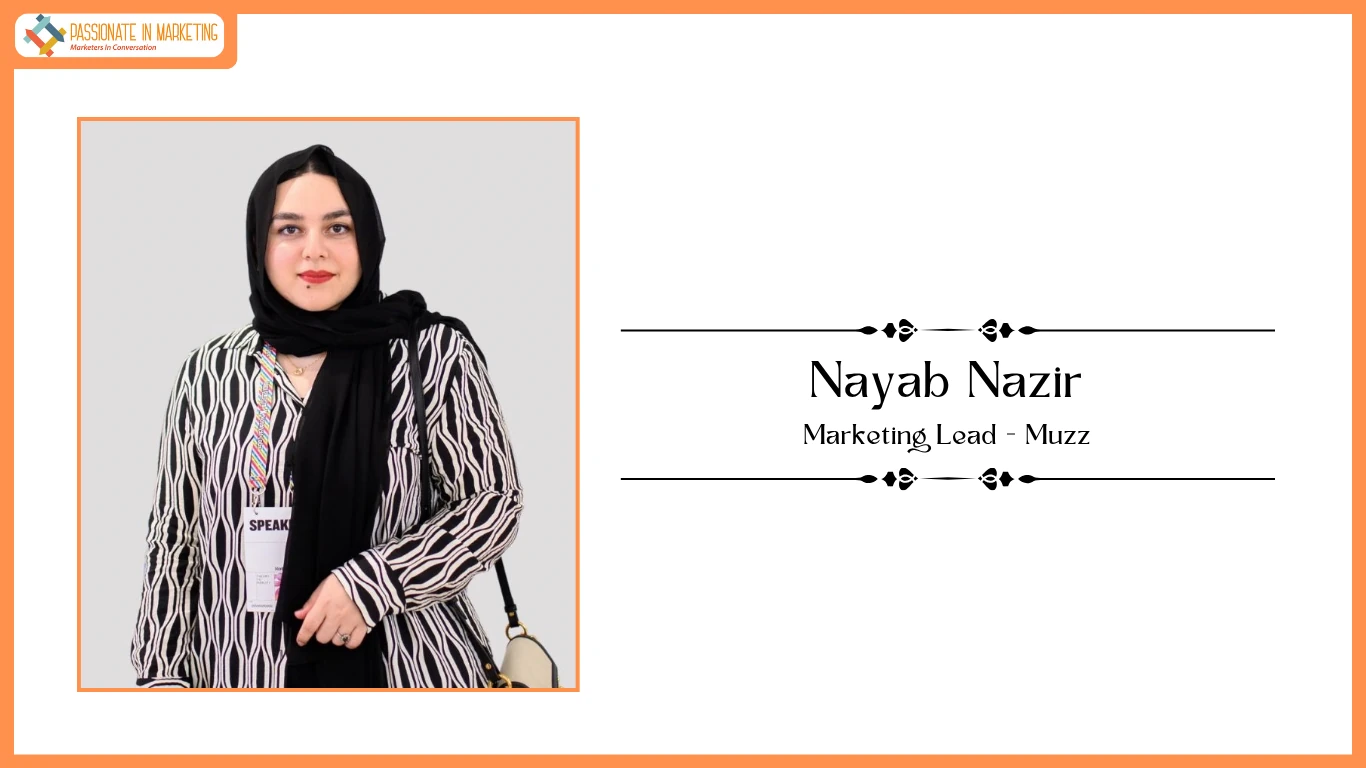
How are younger Indian consumers changing the way brands need to market to them?
The old assumption was that modern and traditional were opposites. Young Indians have proven that wrong. They want careers, independence, and personal choice, but they also want family approval, community belonging, and faith. The brands winning with this generation aren’t the ones asking them to choose. They’re the ones that hold both truths at the same time. For us that means building a platform where you find your own partner but your family is never excluded from the process.
Where is the line between meaningful cultural relevance and superficial localisation?
Superficial localisation is changing the language. Meaningful cultural relevance is understanding why the language matters. Swapping English copy for Hinglish doesn’t make a campaign culturally resonant, knowing that “log kya kahenge” is a real psychological barrier for a Muslim woman considering a marriage app, and designing around that fear, does. The test is simple: does the person you’re speaking to feel seen, or do they feel targeted? Those are very different things.
What have you learnt about adapting a global brand to local cultural nuances without losing core identity?
The core identity of Muzz is simple, Muslims deserve a serious, safe, halal path to marriage. That doesn’t change anywhere. What changes is everything around it. In the UK, the barrier is stigma within liberal Muslim communities. In India, it’s being a minority navigating a majority non-Muslim world every day, which means the fear is different, the trust required is higher, and the community infrastructure you’d rely on in other markets simply doesn’t exist the same way. You adapt the context, never the conviction.
How can marketers build authenticity and trust with culturally diverse audiences?
Stop marketing at people and start solving for them. Authenticity isn’t a tone of voice. It’s what happens when a brand genuinely understands the problem it’s solving and is honest about what it is and isn’t. For Muzz, that means never pretending to be a dating app to seem more accessible, and never being preachy about faith to seem
more legitimate. We are exactly one thing, a platform for Muslims who are serious about marriage, and saying that clearly, consistently, without apology, is what builds trust faster than any campaign.
How can marketers move beyond transactional campaigns to build genuine community?
Campaigns create moments. Community requires continuity. The difference is whether people are gathering around your brand or gathering with each other, and your brand is simply the reason they found each other. For us, when a Muzz couple gets married and tells ten people about it, that’s community. When someone joins a WhatsApp group we run and feels like they belong to something before they’ve even matched with anyone, that’s community. You can’t manufacture it. You build the conditions for it and then get out of the way.
What consumer behaviour shifts should marketers pay closer attention to in India?
Three things. First, the rise of intent-driven behaviour, younger Indians are spending less time browsing and more time searching for exactly what they want. They are more specific, not less. Second, the trust deficit with generic platforms, community-first, identity-specific products are growing because people want something that was actually built for them. Third, the offline-online integration, the most powerful digital moments in India still trace back to something that happened in person. Brands that only think digitally are missing half the picture.
What has Muzz’s experience in India taught you about how young Indians navigate personal choice, family expectations and tradition?
That they are not confused, they are negotiating. There is a common assumption that young Indians are caught between modernity and tradition, as if they have to resolve it one way or the other. What we’ve seen is that they are perfectly capable of holding both. They want to choose their own partner, and they want their family’s blessing. They want faith to be part of the decision, and they want it to feel like their decision. The brands and platforms that understand this negotiation, and make it easier rather than forcing a choice, are the ones that will earn lasting loyalty in this market.

