


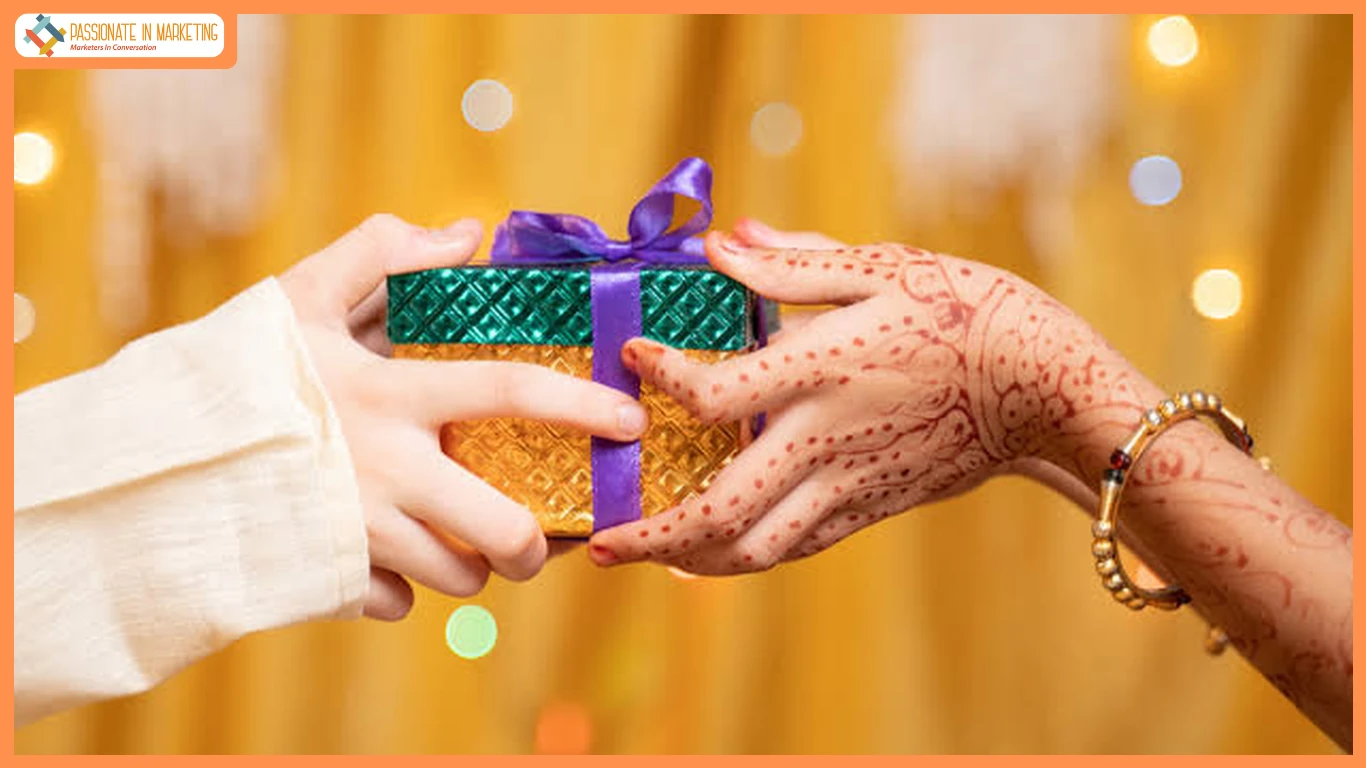
New Delhi, 1 September, 2026: Sales of products tagged as Raksha Bandhan merchandise on GoKwik’s network increased 46% year-on-year during the 10-day run-up to the festival. The increase came even as discounts as a proportion of gross order value declined from 19% in 2025 to 15.2% in 2026. The ratio stood at 21.6% in 2024, indicating a steady reduction in discounting over the past three festival seasons.
North India led overall shopping activity during the period, contributing 32% of orders processed on GoKwik’s network. South India accounted for 26.2%, followed by West India at 22.7% and East and Northeast India at 13.5%.
The findings are based on checkout and transaction data from more than 15,000 brands on GoKwik’s network. The analysis covers confirmed orders processed from August 18 to August 27, 2026, and compares consumer behaviour with the corresponding 10-day pre-Raksha Bandhan windows in previous years, as well as a normal 10-day shopping period approximately four weeks before the festival.
The data indicated that product relevance as a gift often mattered more than the size of the markdown. Home and furniture gifts recorded a 3.63X lift over the normal comparison period despite average discounts of only 4.2%. Fashion accessories registered a 2.47X lift at discounts of 5.9%, while home décor recorded a 1.69X lift with discounts remaining below 8%.
Categories traditionally associated with promotional buying presented a different picture. Jewellery recorded a 1.23X lift despite average discounts of 29.1% and coupon usage of approximately 65%. Beauty and personal care registered a 1.09X lift at discounts of 27.2%, while mobile accessories recorded a 1.39X lift at discounts of nearly 20%.
At the product level, crossbody bags recorded the strongest movement at 1.97X compared with the normal shopping period. This was followed by sneakers at 1.78X, body sprays at 1.69X, earbuds at 1.43X, fashion watches at 1.40X and perfumes at 1.35X.
Male-targeted products increased their share from 13.6% to 15%, while female-targeted products declined from 24.5% to 22.1%, indicating greater demand for fragrances, footwear, watches, audio products and other merchandise positioned as gifts for brothers.
Spiritual gifting also emerged as a distinct consumer trend, with sales of rudraksha, gemstone and pooja-related products more than doubling year-on-year on GoKwik’s network. Popular products included rudraksha bracelets, silver Hanuman designs and other devotional Raksha Bandhan merchandise intended to double up as wearable keepsakes.
Commenting on the findings, Chirag Taneja, Co-Founder and CEO of GoKwik, said, “Festive commerce is often viewed through sales and discounts, but checkout data reveals a much deeper shift in consumer intent. This Raksha Bandhan, shoppers built larger baskets around products they considered appropriate gifts even when discounts were modest. The strength of a network spanning more than 15,000 brands allows us to understand these patterns across categories, locations and checkout behaviour. For brands, the opportunity lies in presenting relevant gift combinations and ensuring a seamless checkout while using risk intelligence to distinguish genuine, high-intent orders from potentially risky demand. This can help brands grow without depending entirely on deeper discounts.”
Checkout behaviour showed that Raksha Bandhan merchandise frequently became the starting point of a broader gifting purchase. Around 36% of carts containing Raksha Bandhan merchandise also included an additional gift. Home and décor products were the most frequent additions, followed by apparel and accessories, beauty and personal care, toys, electronics and bags.
The average number of items per order increased 30%, while the average price paid per item declined 17%. As these two movements offset each other, the average basket value increased 8%. The trend indicated that shoppers were adding moderately priced gifts and complementary products rather than relying on a single expensive purchase.
Around 77% of gifting purchases were made at brands from which the shopper had not purchased during the preceding 12 months. This included first-time customers as well as returning shoppers who had remained inactive with the particular brand for at least a year.
The shopping rush also moved earlier and extended late into the night. Orders reached their highest point around 12 days before Raksha Bandhan, compared with six days before the festival in 2025. About 25.6% of festival-period orders were placed between 9 pm and 5 am, with 10 pm emerging as the busiest hour.
On August 23, GoKwik’s network processed 38,303 orders during the 10 pm hour, averaging approximately 640 checkouts a minute. The night-time basket also showed a stronger preference for gifts, fashion, footwear and jewellery, while practical categories such as health, electronics and sports were more likely to be purchased during the day.
Raksha Bandhan gifting orders displayed a lower predicted return-to-origin (RTO) risk. Only 2.8% of these orders were classified as high RTO risk at checkout, compared with 5.5% across all orders on the network. Meanwhile, 58.5% of gifting orders were classified as low risk, compared with 51.1% of overall orders. These figures represent risk classifications recorded when orders were placed and not the final realised RTO rate.
Orders containing Raksha Bandhan merchandise reached 6,886 pincodes across approximately 1,400 towns and every state and Union Territory, showing that online festival shopping extended well beyond the major metropolitan markets.
The analysis covers confirmed orders placed on GoKwik’s network during the 10-day run-up to Raksha Bandhan, from August 18 to August 27, 2026. Category lifts compare each category’s share during this window with a normal 10-day period approximately four weeks earlier. Data for August 27 was partial. Test orders and orders originating from RTO-related sources were excluded. The findings reflect transactions on GoKwik’s network and should not be treated as estimates for the entire Indian retail market. Since the GoKwik network expanded between 2024 and 2026, within-year comparisons have been used to assess category movements.
About GoKwik
GoKwik is an e-commerce growth platform serving more than 15,000 brands through a network of over 50 million shoppers. Its product suite spans checkout, shopper identity, engagement, advertising, logistics, returns and post-purchase experiences. GoKwik’s checkout technology uses more than 200 risk signals to help brands improve conversions and manage return-to-origin exposure, particularly across cash-on-delivery orders.

